Seasonal Diseases: Prevention and Management An integrative public-health perspective
By Livy‑Elcon Emereonye
Introduction
“Happiness can be found, even in the darkest of times, if one remembers to turn on the light.” – J.K Rowling
Seasonal diseases are illnesses whose incidence rises or falls with changes in weather, environment, and human behaviour across the year. In tropical and subtropical regions such as Nigeria and much of Africa, seasons are often defined by rainy and dry periods rather than winter and summer, yet the health implications are no less profound. Temperature, humidity, rainfall, dust, food availability, disease vectors, and social practices together shape predictable patterns of illness.
By understanding these patterns, individuals, families, and governments can move from a reactive treatment model to a proactive prevention strategy—the most economical, caring, and sustainable form of healthcare.
What Are Seasonal Diseases?
Seasonal diseases are conditions whose frequency, severity, or complications are influenced by seasonal environmental changes.
They may be:
- Infectious (e.g., malaria, cholera, typhoid)
- Respiratory (e.g., pneumonia, asthma exacerbations)
- Gastrointestinal (e.g., diarrheal diseases)
- Allergic or inflammatory (e.g., allergic rhinitis, eczema)
- Nutritional or metabolic (e.g., dehydration, micronutrient deficiencies)
Seasonality does not imply inevitability; rather, it implies predictability, and predictability empowers prevention.
Common Seasonal Diseases and Their Patterns
Rainy Season–Associated Diseases
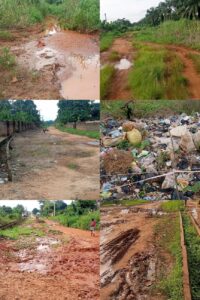
The rainy season creates stagnant water, flooding, and high humidity—ideal conditions for vectors and pathogens.
Common examples include malaria, typhoid fever, cholera, other diarrheal diseases, dengue, yellow fever, and skin or fungal infections. These conditions thrive due to mosquito breeding, contamination of water sources, and compromised sanitation.
Dry Season–Associated Diseases
Dry seasons, particularly the Harmattan in West Africa, are characterized by dust, cold nights, low humidity, and wide temperature fluctuations.
Common examples include upper respiratory tract infections, asthma and bronchitis exacerbations, meningitis, conjunctivitis, dehydration, and heat-related illnesses. Dust and dryness irritate mucous membranes and weaken first-line immune defenses.
Transition-Period Illnesses
The shift between seasons often challenges the body’s adaptive capacity, leading to influenza-like illnesses, fatigue syndromes, blood pressure instability, and immune suppression–related infections, especially among children, the elderly, and those with chronic diseases.
Core Principles of Prevention include but not limited to:
- Environmental and Sanitation Measures
- Elimination of stagnant water around homes
- Safe waste disposal and drainage systems
- Treatment of drinking water by boiling, filtration, or chlorination
- Proper food hygiene and storage
Most seasonal infectious diseases arise from environmental factors and later develop into medical issues.
Personal and Community Hygiene
Regular handwashing, mosquito net use, clean living environments, and avoidance of overcrowding are simple but powerful preventive tools.
Nutrition and Immune Support
Strong immunity is the cornerstone of seasonal disease resistance. Adequate protein, fruits and vegetables rich in vitamins A, C, and E, essential minerals such as zinc and iron, and sufficient hydration are critical. Traditional African diets, when preserved, often provide seasonally appropriate nutritional protection.
Vaccination and Preventive Therapies
Routine immunization, seasonal vaccination where applicable, vitamin A supplementation for children, and preventive antimalarial strategies in endemic areas significantly reduce disease burden.
Management of Seasonal Diseases
Early Recognition and Prompt Treatment
Early diagnosis prevents complications. Febrile illnesses during the rainy season require evaluation for malaria and typhoid, while persistent cough during dry seasons warrants respiratory assessment. Diarrheal illnesses demand immediate rehydration.
Conventional Medical Management
Management may involve antimalarials, antibiotics when indicated, antipyretics, bronchodilators, antihistamines, and fluid therapy. Rational drug use is essential to prevent resistance.
Integrative and Traditional Medicine Approaches
African Traditional Medicine (ATM) and herbal therapeutics have long played a role in managing seasonal illnesses. When scientifically guided and responsibly integrated, they complement orthodox medicine by supporting immunity, reducing inflammation, aiding detoxification, and promoting recovery.
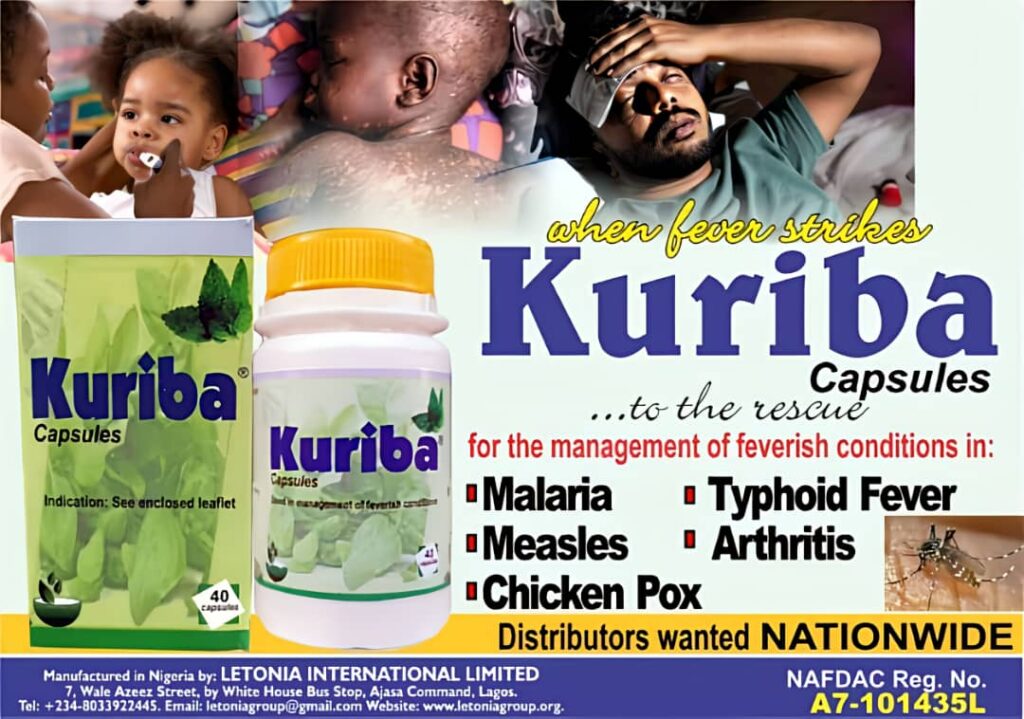
Role of Kuriba® Capsules in Seasonal Disease Prevention and Management
Within the framework of integrative and evidence-based medicine for informed healthcare, Kuriba® capsules by Letonia Int’l Ltd represent a standardized herbal formulation with relevance in the prevention and supportive management of selected seasonal diseases. The formulation draws on medicinal plants with a long history of ethnomedical use and emerging scientific validation for their biological activities.
Kuriba® capsules are composed of botanicals traditionally associated with immunomodulatory, antimicrobial, anti‑inflammatory, antioxidant, and detoxification-supporting properties. These pharmacological attributes are particularly pertinent during seasonal periods characterized by increased pathogen exposure, environmental stressors, and immune vulnerability.
Immunomodulatory and Host‑Defense Support
Seasonal transitions are frequently accompanied by transient immune dysregulation. Kuriba® capsules may support immune homeostasis by enhancing innate defense mechanisms and modulating inflammatory responses, thereby improving host resistance to common seasonal infections. Such immunomodulatory support is relevant for individuals experiencing recurrent seasonal illnesses or heightened susceptibility during climatic changes.
Supportive Role in Rainy‑Season Diseases
Rainy seasons are associated with a higher incidence of febrile and infectious conditions, including malaria, typhoid‑like syndromes, and gastrointestinal infections. Within an integrative care model, Kuriba® capsules may serve as an adjunctive herbal intervention, supporting systemic balance, reducing inflammatory load, and aiding convalescence when used alongside appropriate diagnostic evaluation and orthodox therapy.
Relevance in Dry‑Season and Harmattan‑Related Conditions
Dry seasons, particularly the Harmattan, expose individuals to dust, cold stress, and oxidative challenges that predispose to respiratory irritation, fatigue, and musculoskeletal discomfort. The antioxidant and anti‑inflammatory properties attributed to the botanical constituents of Kuriba® capsules may contribute to improved physiological resilience and symptom modulation during such periods.
Detoxification and Metabolic Support
Seasonal disease vulnerability is often amplified by metabolic burden and environmental toxin exposure. Kuriba® capsules are positioned to support endogenous detoxification pathways, particularly hepatic and renal functions, thereby optimizing the internal biological terrain and enhancing overall disease resistance.
Safety and Integrative Use Considerations
Kuriba® capsules are intended for use as a preventive seasonal wellness supplement, a supportive therapy within integrative clinical care, or a post‑illness recovery aid. Optimal benefits are achieved when the product is used responsibly, in conjunction with sound nutrition, hygiene, lifestyle measures, and conventional medical treatment where clinically indicated.
Vulnerable Populations
Children under five, pregnant women, the elderly, and individuals with chronic illnesses require special preventive attention, as seasonal diseases are often more severe and life-threatening in these groups.
The Role of Health Education
Sustainable control of seasonal diseases depends on public awareness, school-based education, culturally grounded health communication, and trained community health workers.
Seasonal diseases are environmentally scripted challenges that demand foresight rather than fear. Through sanitation, nutrition, vaccination, early treatment, and intelligent integration of traditional and modern medicine—including credible indigenous herbaceutics such as Kuriba® capsules by Letonia Int’l Ltd—their burden can be significantly reduced.
Health is not merely survival through the seasons, but the capacity to enter every season fortified—physically, mentally, and socially, aligning human biology with the rhythms of nature rather than perpetually reacting to crisis.
We can live healthy and enjoy life, if we wish and do the things that can make such possible.
You can contact Dr. Emereonye at: +234 803 3922 445