Beyond The Lecture Hall Focus On Shifts From Certificates To Career
By Ebubechukwu Onyekwelu, Chioma Emerenini and Atueyi Joy
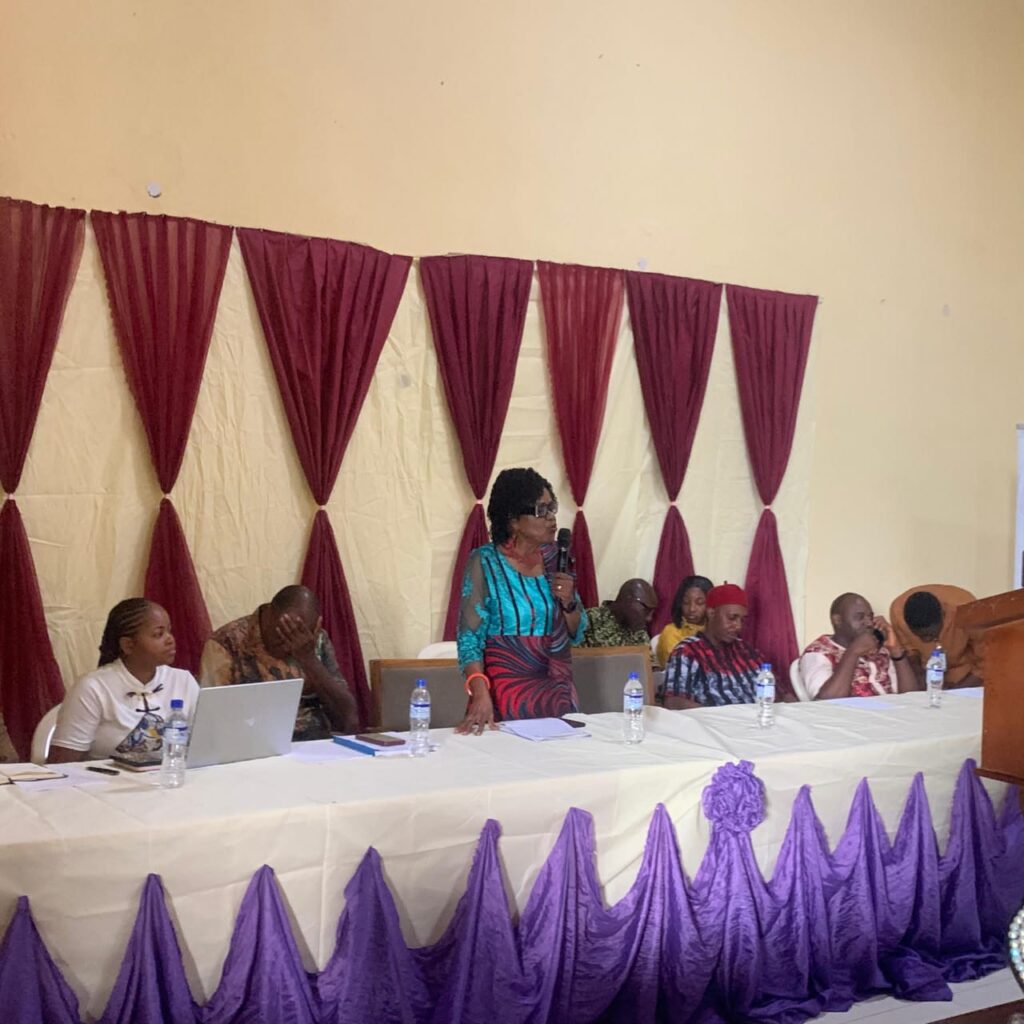
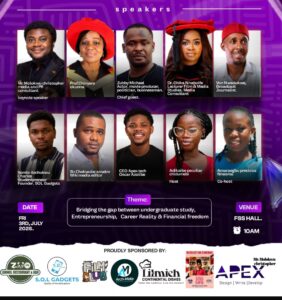
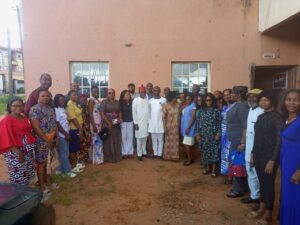
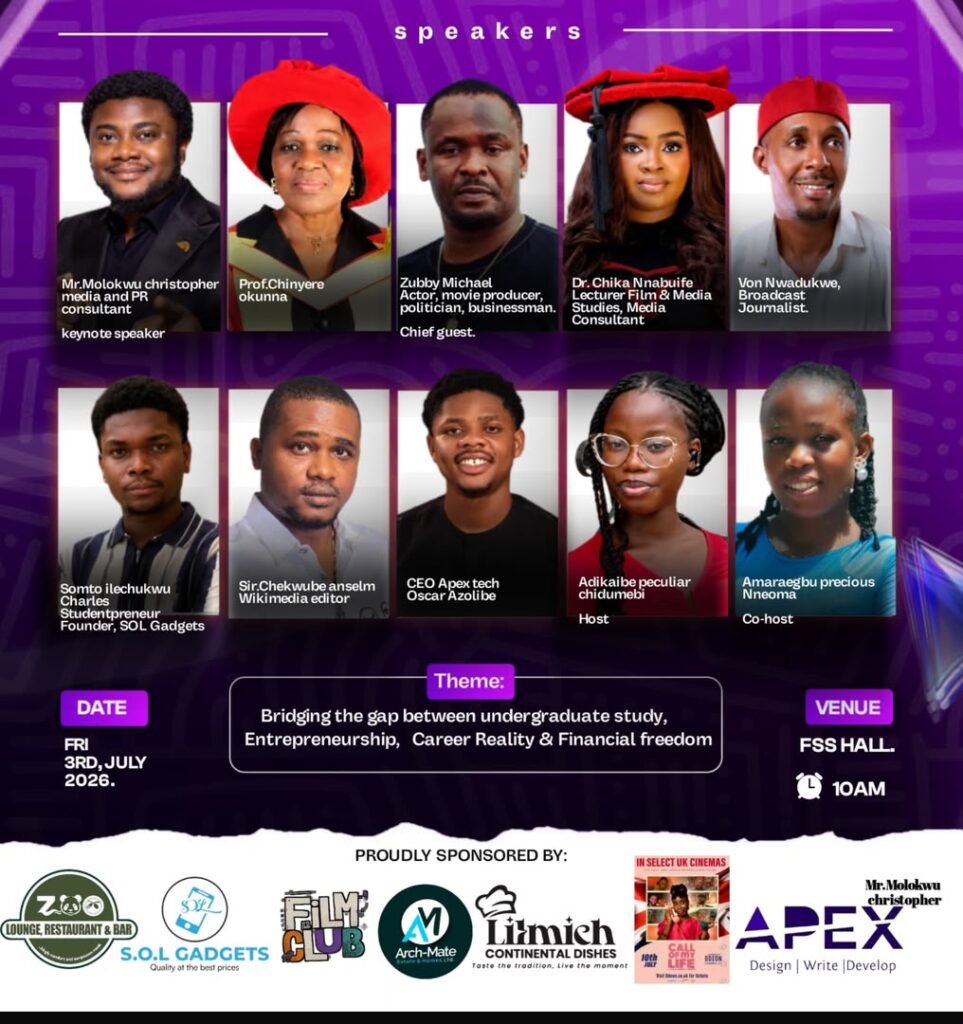
The Association of Mass Communication Students (ASOMACS), Nnamdi Azikiwe University, Awka, on Friday, 3 July 2026, organised the Beyond the Lecture Hall programme at the Faculty of Social Sciences Hall, bringing together academics, media professionals, entrepreneurs and industry experts to equip students with practical skills and career insights beyond the classroom.
According to an earlier report
READ MORE : https://www.odogwublog.com/education-works-hardwork-works-bettersays-zubby-michael/
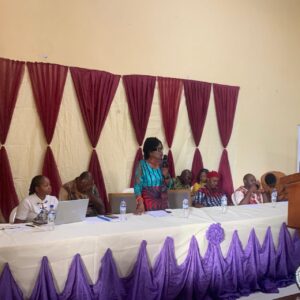
The programme drew speakers from the media and film industries who challenged students to look beyond obtaining a university degree by acquiring practical skills capable of competing and creating value in today’s rapidly changing world. Through presentations and interactive sessions, the event shifted the focus of students from graduation certificates to competence, innovation and value creation.
Despite the programme’s inspiring message, the event also exposed challenges relating to the venue. The Faculty of Social Sciences Hall was powered by the faculty’s solar power system, which could not power the air-conditioning units, leaving the hall increasingly hot as the programme progressed. Although the event’s equipment was powered by a generator, the non-functioning air conditioners made the venue uncomfortable, with many students making artificial breeze with the materials they laid their hands upon, refreshments were distributed during the programme.
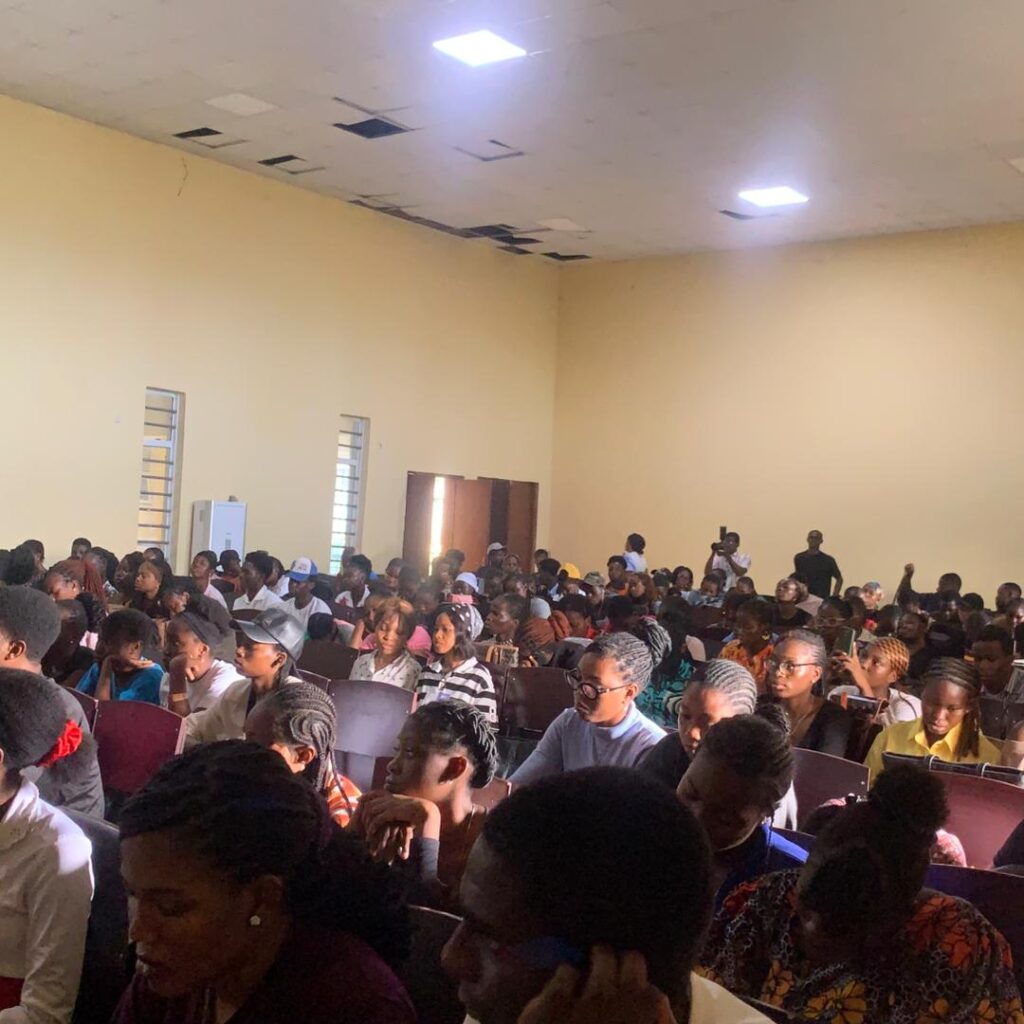
However, they were insufficient for the large number of students in attendance, leaving many participants without refreshments after spending several hours at the event.
Mercy Mbam, a 300-level Mass Communication student, described the venue as unconducive, she staed ‘the heat in the hall and surrounding noise were major distractions throughout the programme and the refreshments the organizers made were not enough to go round,leaving many attendees hungry and tired’.
Ada(not her real name), a 200-level Mass Communication student, in an interview stated ‘poor time management during the programme made many students seated around her leave before it ended, although refreshments were distributed, they did not get to her’.
Grace Nginikamma, a 300-level Mass Communication student, also noted ‘the absence of the event’s banner inside the hall made it difficult for her to identify the speakers as they mounted the stage, making it harder for attendees to follow the programme’.
Precious Amaraegbu one of the organisers, apologised for the logistical shortcomings experienced during the programme. She explained ‘ ‘the Faculty of Social Sciences Hall was powered by the faculty’s solar power system, which could not support all the air-conditioning units because there was no public power supply, the inadequate refreshments was as a result of to limited resources’. She further acknowledged the shortcomings in time management, noting that some of the challenges were beyond the organisers’ control and assured participants that the feedback had been noted and promised better planning for future editions of the programme.
Notwithstanding these logistical challenges, the programme achieved its objective of exposing students to opportunities beyond the classroom. By bringing together accomplished professionals from the media, film and business sectors, Beyond the Lecture Hall encouraged participants to regard academic certificates as a foundation while embracing practical skills, entrepreneurship and innovation as essential tools for career success in an increasingly competitive world.