
Are TAMPONS really safe… or are people just ignoring the risks?
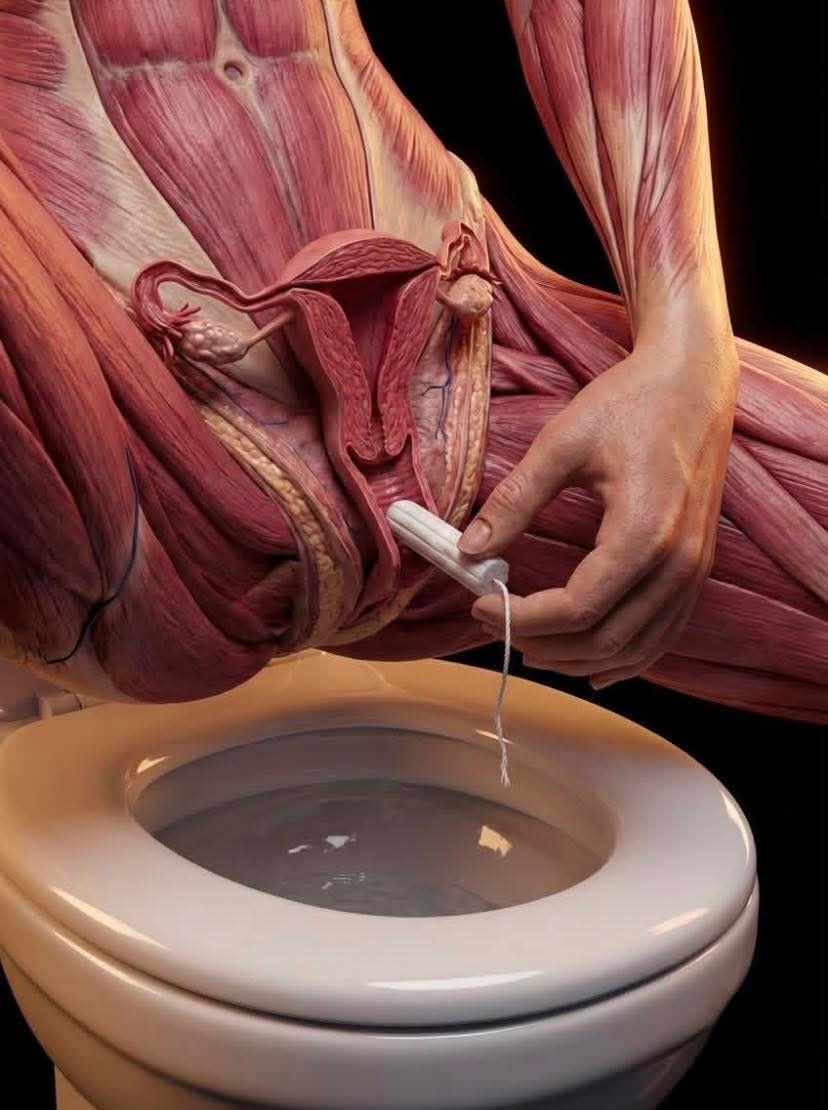
Many girls are either afraid to use tampons or using them wrongly without knowing the risks.
The truth? Tampons are SAFE but only when used correctly.
Let’s break everything down
What Is a Tampon?
A tampon is a small absorbent product inserted into the vagina to soak up menstrual blood during your period.
They are made from cotton, rayon, or a blend
And are designed for single use only
Step-by-Step: How to Use a Tampon
- Wash Your Hands
This to prevents introducing bacteria into the body - Get Comfortable:
Sit, squat, or stand with one leg raised so as to relax your muscles. - Insert the Tampon:
Gently place it at the vaginal opening
Make sure to angle it slightly toward your lower back (not straight up)
Gently push it in - Release It (If Using Applicator)
-Push the inner tube fully
-Remove the applicator
The string should remain outside
- Check Comfort
-You should NOT feel it
-If you do, it may not be inserted properly
How Often Should You Change It?
Make sure to change it every 4–8 hours
Never leave it in for more than 8 hours
How Safe Are Tampons?
Good News: They Are Generally Safe
Tampons are regulated as medical devices and tested for safety
Millions of people use them safely worldwide so you should not be worried.
When used correctly, they are very low risk
The Main Risk: Toxic Shock Syndrome (TSS)
Toxic Shock Syndrome (TSS) is a rare but serious condition caused by bacteria 
You May experience Symptoms like
-Sudden high fever
-Vomiting or diarrhea
-Dizziness or fainting
-Rash like sunburn
It is very rare, but can be dangerous if ignored
What Increases the Risk?
-Leaving a tampon in too long
-Using very high absorbency unnecessarily
-Poor hygiene
-Continuous use without breaks
Common Mistakes Most women make.
-Forgetting a tampon inside
-Using one for too long
-Inserting it incorrectly
-Using the wrong size
Tampons are safe and convenient
Problems happen mainly from incorrect use
Good hygiene + proper timing = very low risk