PILGRIM OFFICE SEEKS ASSEMBLY SUPPORT TO REPOSITION PILGRIMAGE IN ANAMBRA

By Ikem Ngozi
The Senior Special Assistant to the Anambra State Governor on Pilgrims Affairs, Hon. Barr. Odira Ezeh, has sought legislative support to reposition pilgrimage administration and unlock its spiritual, cultural and socio-economic potentials.
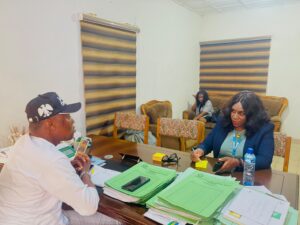
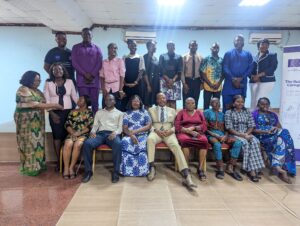
Ezeh made the call when he led his team on a courtesy visit to the Speaker of the Anambra State House of Assembly, Rt. Hon. Somtochukwu Nkem Udeze.
He said the visit was aimed at strengthening collaboration between the Pilgrims Office and the legislature, in line with Governor Chukwuma Charles Soludo’s commitment to repositioning pilgrimage affairs in Anambra.
According to him, the administration views pilgrimage beyond a spiritual journey, describing it as an avenue for moral renewal, human development, religious tourism, cultural exchange and socio-economic advancement.
Ezeh said the Deputy Governor, Dr. Onyekachukwu Ibezim, was driving efforts to build a pilgrimage system that would be accessible, transparent, efficient and responsive to the needs of residents.
He disclosed that the office was working on initiatives including the Pilgrimage Lottery Programme, Pilgrimage Exchange Programme and proposed Anambra State Christian Pilgrims Summit to widen participation and promote transparency.
The SSA also identified the Blessed Iwene Tansi Shrine in Aguleri as a potential religious tourism destination, noting that its development could attract pilgrims and visitors and contribute to economic growth.
Responding, the Speaker called for the establishment of a properly constituted Pilgrims Board to strengthen administration, while urging the office to engage competent personnel, experienced stakeholders and relevant partners.
Udeze assured the Pilgrims Office of legislative support and urged stronger collaboration among the Executive, Legislature, Church, local governments, traditional institutions and other stakeholders, while stressing that pilgrimage’s spiritual purpose must remain central.