“Don’t Despise Your Little Beginning; God Multiplies What You Place in His Hands” — Rev. Chris Ibekwe
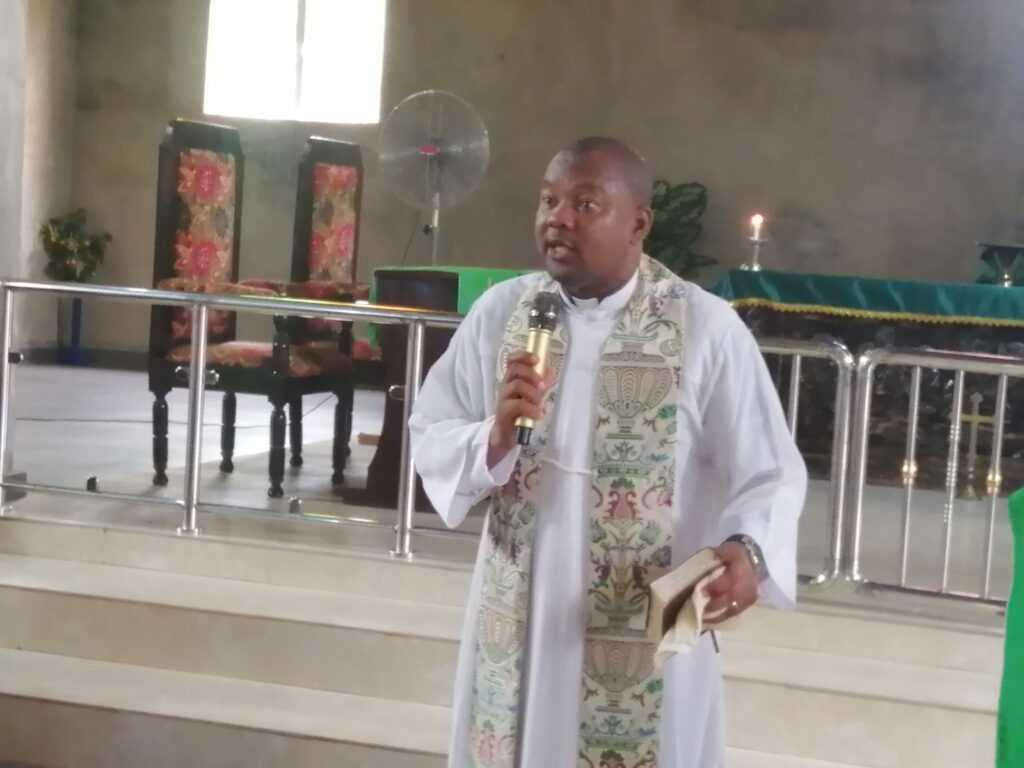
“Great achievements often begin with small opportunities embraced with faith, diligence and a renewed mindset.”
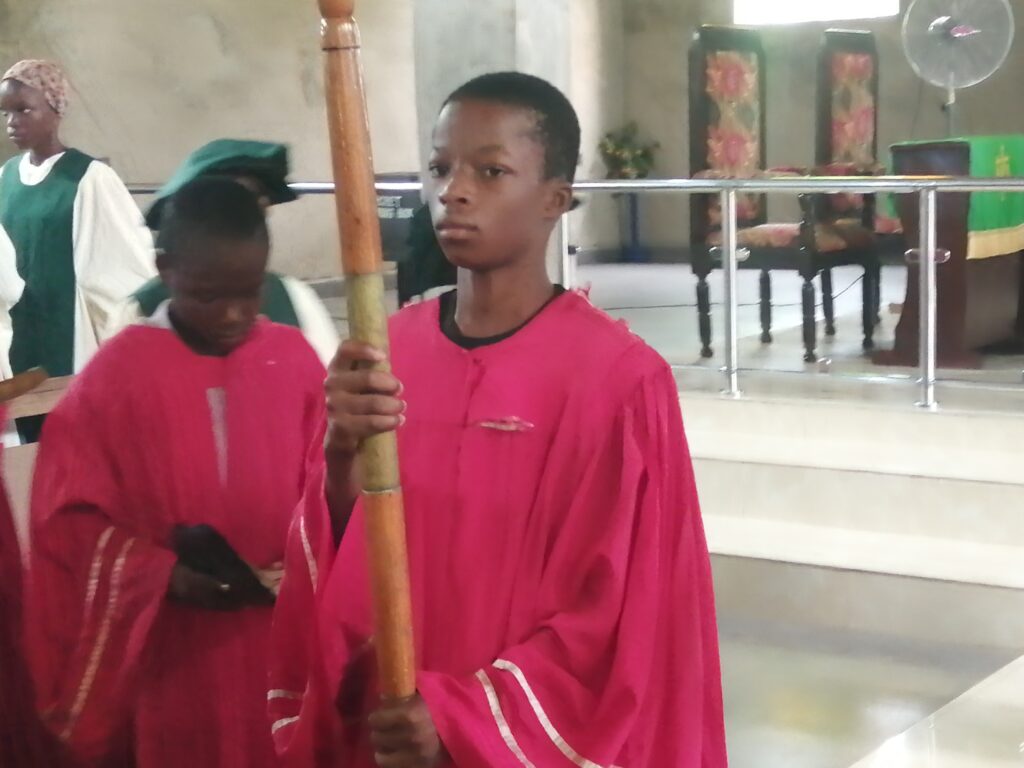
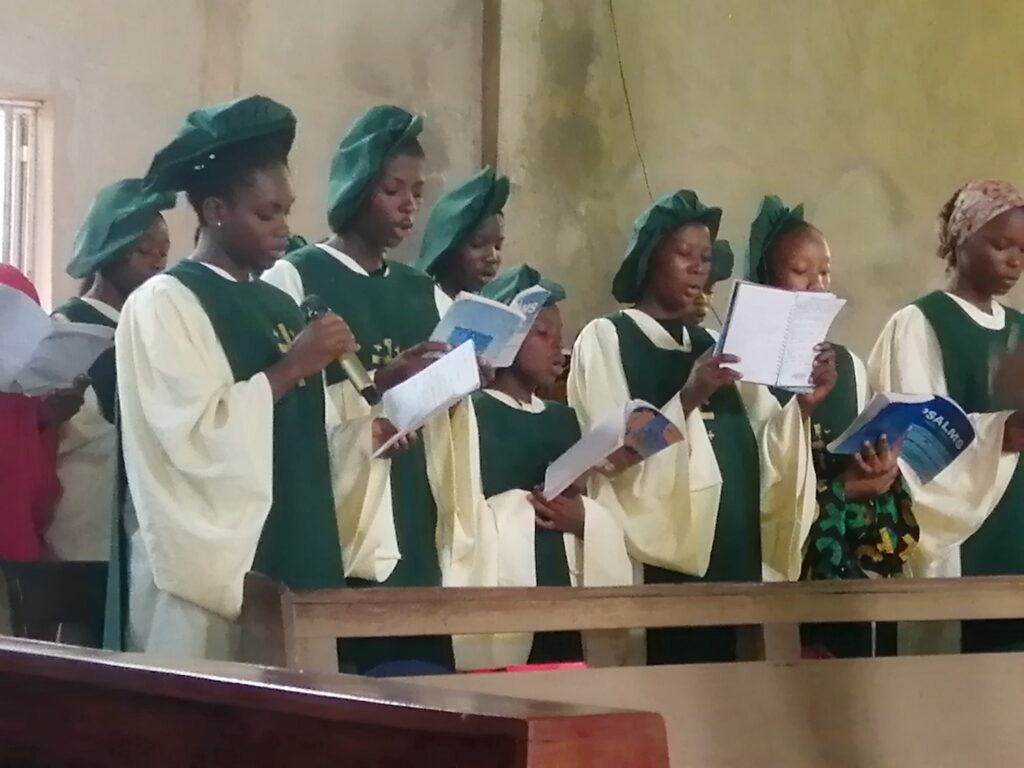
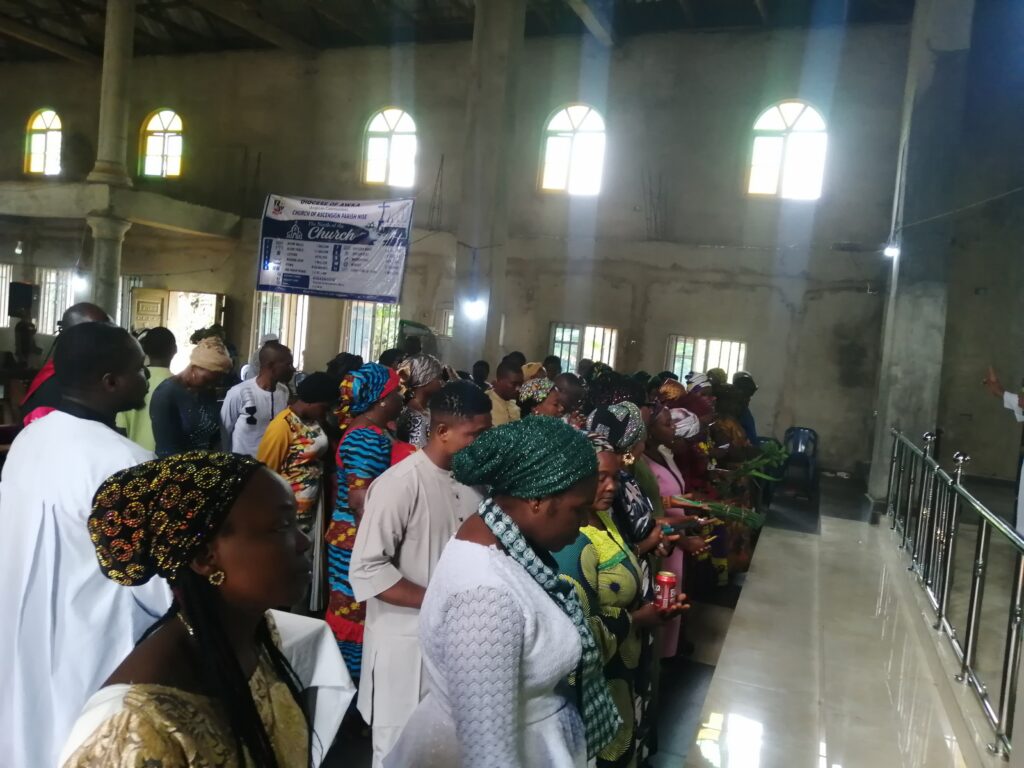
The Parish Priest of the Church of Ascension, Ngodo, Nise, in Awka, Anambra State, Rev. Chris C. Ibekwe, has urged Christians to stop waiting for perfect opportunities before taking action, insisting that God can transform even the smallest effort into remarkable success when it is committed to Him.
Delivering his homily during the Sunday Eucharistic celebration on July 5, 2026, the cleric challenged members of the congregation to identify and make productive use of whatever talent, skill or resource they already possess, rather than focusing on what they lack.
Drawing his message from 2 Kings 4:1–7, Rev. Ibekwe recalled the biblical account of the widow whose only possession was a small jar of oil. At the instruction of the prophet Elisha, she borrowed empty vessels, shut the door behind her and her sons, and poured the little oil she had into the containers. Miraculously, the oil continued to flow until every vessel was filled, enabling her to sell the oil, pay her debts and sustain her family.
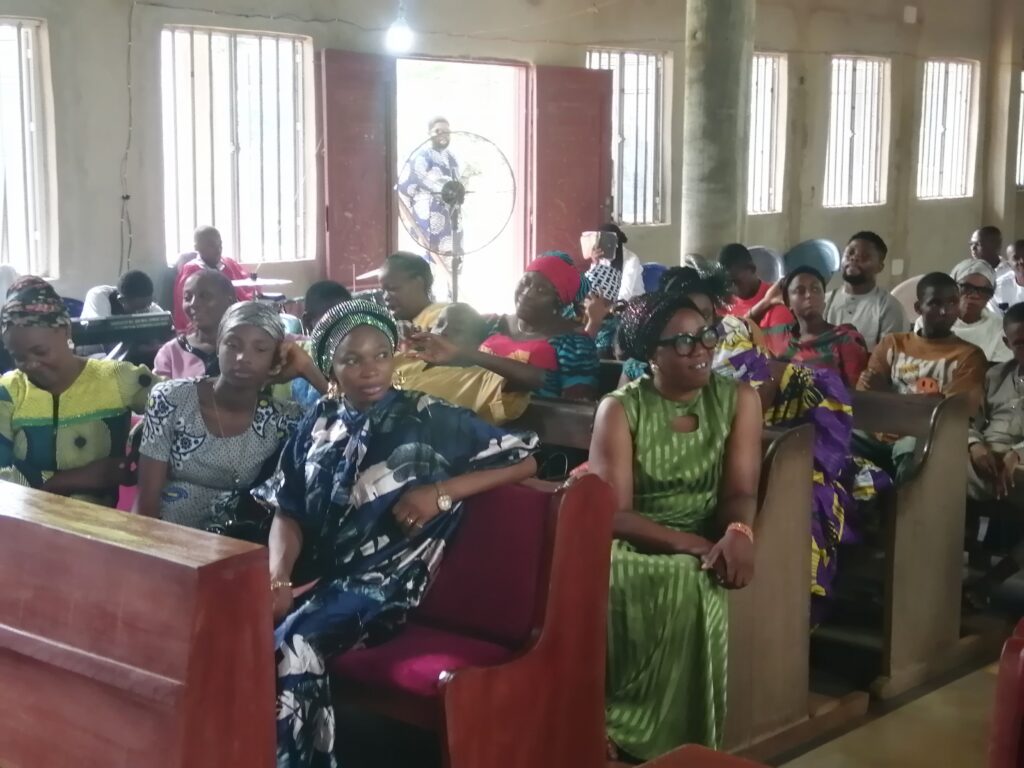
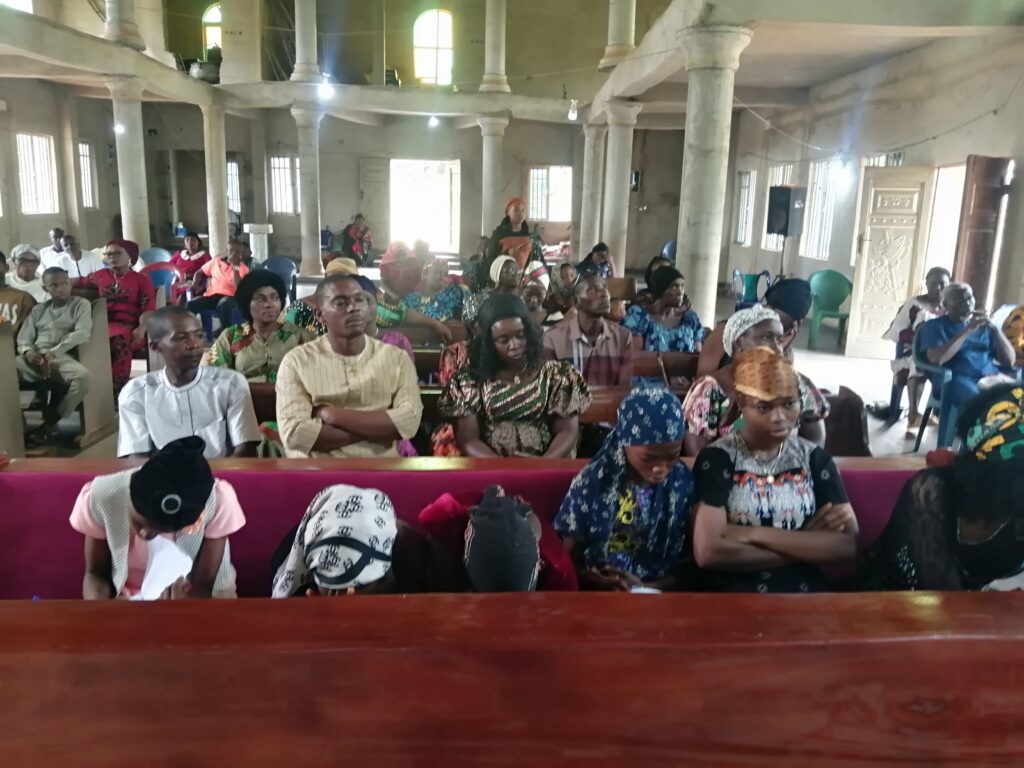
According to him, the miracle demonstrates that God does not require abundance before He blesses His children. Rather, He multiplies what is faithfully committed into His hands.
“You don’t need to remain poor. If you have something, bring whatever you have to God, and He will multiply it,” he declared.
The priest warned against waiting until hardship strikes before seeking a means of livelihood, encouraging Christians to prayerfully dedicate their businesses, skills and ideas to God while trusting Him for increase.
Rev. Ibekwe further stressed that academic qualifications alone do not determine success, noting that creativity and the ability to solve problems are equally valuable assets. He explained that a person without formal higher education but who creates solutions and adds value to society should never be regarded as an illiterate.


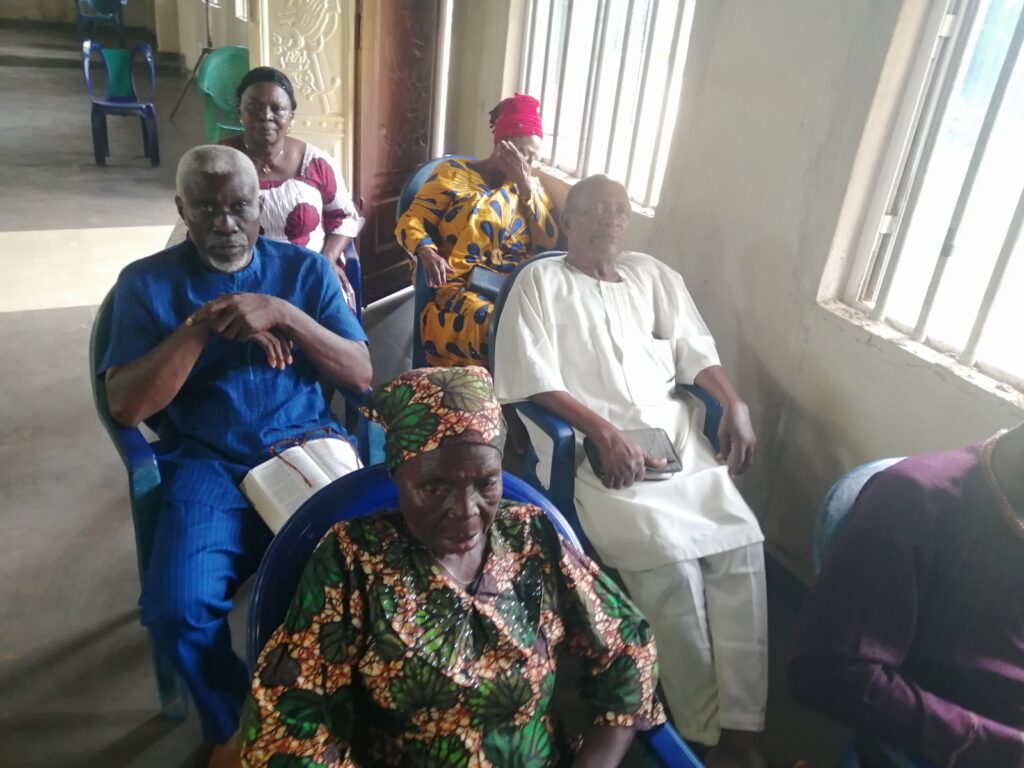
He observed that Western education was introduced by Europeans primarily to facilitate communication with local communities, adding that if they could not communicate in indigenous languages, they too would be considered limited in that regard. He therefore urged people not to measure intelligence solely by certificates but by one’s ability to create value and solve human problems.
Illustrating the power of creativity, the cleric narrated the story of a woman who pioneered the now popular combination of roasted plantain and beans. According to him, the business idea came to her through a divine revelation in a dream. She initially started by roasting yam and freely sharing it with people around her. She later introduced roasted plantain for sale before eventually combining both with cooked beans—a simple innovation that grew into a thriving business now replicated across Nigeria.
Rev. Ibekwe encouraged the faithful to abandon what he described as the “poor man’s mentality”—the habit of consuming everything one earns without setting anything aside for investment. Instead, he urged them to cultivate an investment mindset, emphasizing that diligence, consistency and wise stewardship are the keys to growth and prosperity.
He also offered practical principles for personal development and success, urging the congregation not to despise their little beginnings, to avoid exposing their visions prematurely until they have made tangible progress—drawing inspiration from the biblical instruction to “shut the door”—and never to allow others to define their worth.
The priest further encouraged them to develop a positive mindset, believe in their abilities, seek productive ventures and continually renew their thinking.
“Anybody can become poor,” he concluded, “but not every poor person must remain poor.”
His message served as a powerful reminder that transformed thinking, unwavering faith in God, creativity and consistent hard work remain essential ingredients for overcoming limitations and building a better future.