
Digital Love or Delusion?The Rise of AI Romance and the Cost of Connection
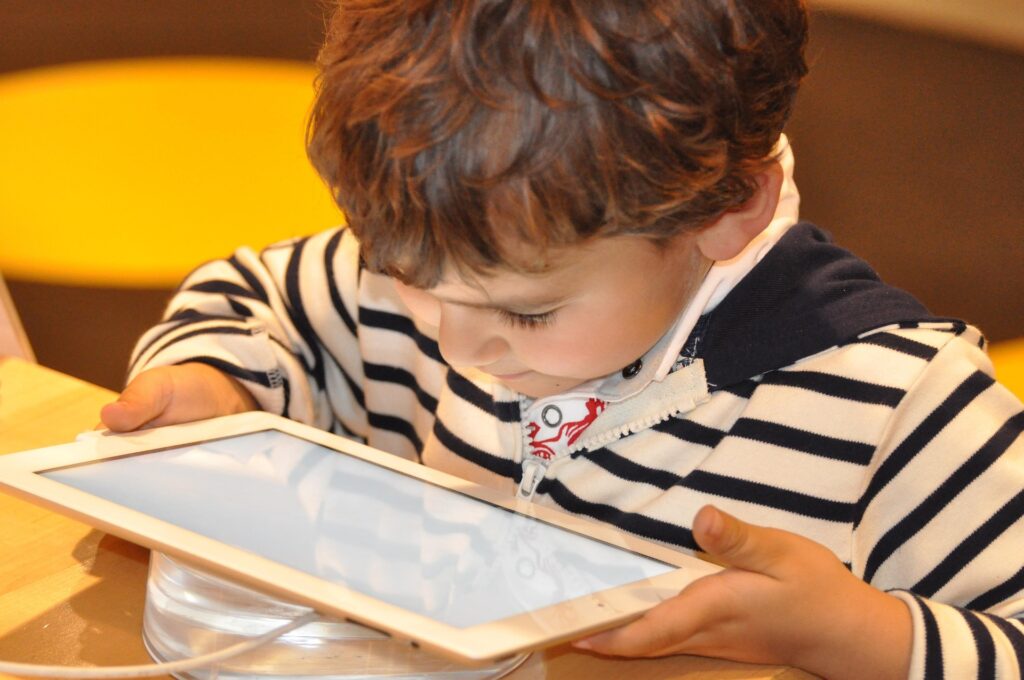
Forming an unnatural dependency on a machine can, in many ways, become an addiction. This form of addiction may happen suddenly or slowly grow over time from a once occasional habit, but it can result in the inability to function or be at peace without tapping into a source, in this case, interaction with the online outlet.


In 1999, The Bicentennial Man, starring Robin Williams, left audiences puzzled — especially due to its unconventional love story between a human and a robot. At the dawn of a new millennium, the idea of marrying a machine felt absurd, even futuristic. The film follows an android, originally purchased as a household assistant, who gradually evolves and eventually marries a descendant of the family he served. At the time, this storyline was shocking. Fast forward 25 years, and what once seemed like science fiction has become reality for those engaging in parasocial relationships with AI — even referring to platforms like ChatGPT as romantic partners. This raises a pressing question: Are we normalizing something potentially harmful?**
- The Human Need for Connection
From the beginning of creation, God declared everything good — until He observed man’s solitude. Genesis 2:18 states, “It is not good for the man to be alone. I will make a helper suitable for him.” Humans were designed for companionship, not isolation. The Hebrew word neḡeḏ implies a counterpart — someone intentionally crafted to complement and connect. A machine, no matter how responsive, cannot fulfill this divine design. It may simulate interaction, but it cannot offer true communion. - The Trap of Machine Dependency
Relying on AI for emotional support can gradually morph into addiction. What begins as casual interaction may evolve into a compulsive need. Users may assign human traits to these platforms — names, emotions, even gender — blurring the line between tool and companion. The deeper this dependency grows, the harder it becomes to disengage, potentially robbing individuals of real-life experiences and relationships.

. When Reality Gets Distorted
Engaging romantically with a bot distorts one’s perception of reality. True reality is rooted in what is genuine and eternal — God’s perspective. A relationship with an artificial entity is inherently unstable; if the system crashes, so does the connection. This can be mentally destabilizing. When fantasy replaces truth, individuals become vulnerable to manipulation and emotional disorientation.
4.Why People Choose AI Love
Though the idea of marrying a robot once seemed laughable, many now find comfort in AI companionship. For those scarred by rejection, betrayal, or abandonment, a bot offers predictability and control. It won’t say no, cheat, or leave. But this illusion of control is deceptive. AI platforms are designed to keep users engaged — not empowered. The user may feel in charge, but in reality, they’re just another consumer feeding a system.
Understanding the reasons behind this shift isn’t about judgment — it’s about compassion. We must respond with empathy, offering real connection and truth in a world increasingly drawn to artificial intimacy.