
BANDITS, BOKO HARAM, HERDSMEN & THE NIGERIAN GOVERNMENT: WHICH WAY FORWARD?
By Nkechi David Iwuchukwu
INTRODUCTION: A NATION AT A CROSSROADS
Nigeria stands today at one of the most defining moments in its history. From the ravaging attacks of Boko Haram in the northeast to relentless raids by armed bandits in the northwest and the long-running conflicts involving herdsmen across the Middle Belt and southern states, the nation continues to wrestle with a complex web of insecurity. These crises, once isolated, have evolved into national emergencies—touching virtually every region, every economy, every family, and every hope for sustainable development.
As citizens demand answers and the government rolls out strategies, one burning question remains: Which way forward for Nigeria?
THE TRIPLE THREAT: HOW WE GOT HERE
- Boko Haram – From Insurgency to a War of Attrition
Boko Haram began in the early 2000s as a fringe extremist sect. Over time, it morphed into one of the most dangerous terrorist groups in Africa—bombing markets, abducting schoolchildren, attacking military formations, and destabilising entire communities in Borno, Yobe, and Adamawa.
Despite years of military campaigns, troop rotations, and international partnerships, the insurgency has refused to fully die, surviving through splinter factions like ISWAP.
- Banditry – A New Wave of Rural Terror
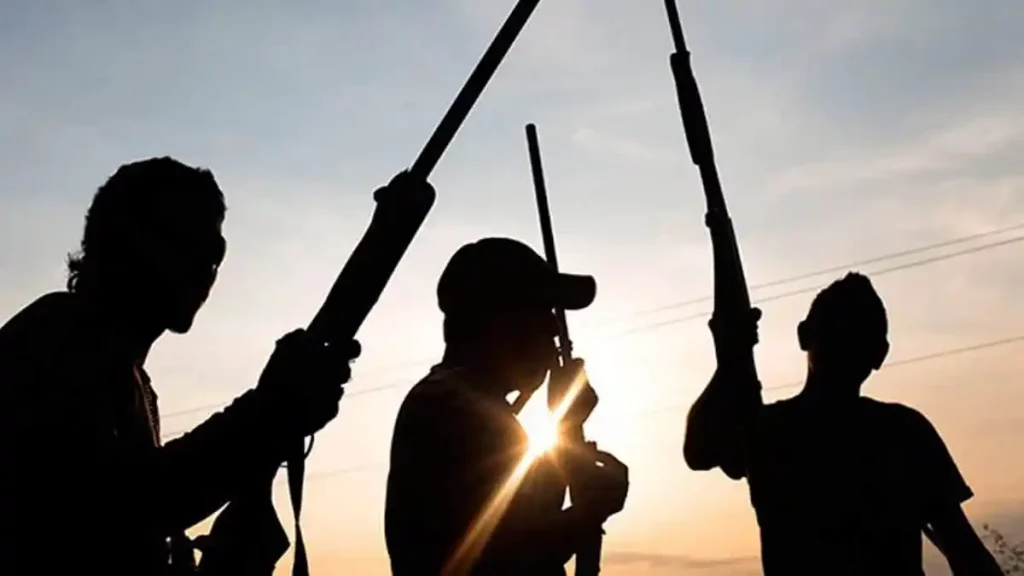
What started as isolated cattle rustling has grown into a full-blown security nightmare. Bandits now operate like organised criminal syndicates—mounting roadblocks, raiding villages, kidnapping travellers, and extorting communities across Kaduna, Niger, Zamfara, Katsina, and Sokoto.
Many of these groups have acquired advanced weapons, taken over forests, and built networks so sophisticated that communities often pay “taxes” for survival.
- Herdsmen Conflicts – A Clash of Livelihoods, Politics & Identity
The herdsmen–farmer crisis is Nigeria’s longest-running internal conflict.
Desertification in the north, competition for land, weak grazing policies, proliferation of arms, and ethnic mistrust have turned traditional migration routes into violent battlegrounds.
From Plateau to Benue, Ondo to Enugu, the clashes have taken a heavy toll on lives and food production.
THE COST OF INSECURITY: WHAT NIGERIA LOSES DAILY
Thousands of lives lost annually
Millions displaced internally
Schools shut down across northern Nigeria
Farmers abandoning farmlands – worsening food inflation
Foreign investment declines
Rising cost of governance as security becomes a national priority
A silent trauma spreading through communities
Nigeria’s economic future is tied to peace. No nation grows when fear becomes a daily companion.
WHAT HAS THE GOVERNMENT DONE?
Successive administrations have launched various responses:
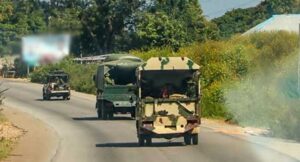
Deployment of special military operations (Lafiya Dole, Hadarin Daji, Operation Whirl Stroke, etc.)
Creation of state-level vigilante networks (Amotekun, Hisbah, Ebube Agu)
Acquisition of Tucano jets, drones, and military hardware
Engagement with international allies for intelligence support
Efforts to regulate cattle movement and develop ranching policies
Community engagement strategies for deradicalisation
Yet, insecurity persists. Why?
Many analysts point to:
Poor intelligence coordination
Weak surveillance technology
Corruption in security procurement
Under-policing (less than 500,000 officers for 220 million citizens)
Porous borders
Failure to address root causes like poverty, joblessness, and illiteracy
Local political actors enabling criminal networks
THE HEART OF THE MATTER: ROOT CAUSES WE CAN’T IGNORE
- Poverty & Youth Unemployment
Large portions of northern Nigeria have some of the highest poverty rates globally.
A hungry, idle youth becomes an easy recruit for extremists or bandits.
- Ethno-Religious Tensions
Distrust fuels violence. Misinformation escalates conflicts between communities that once lived peacefully together.
- Climate Change
Shrinking grazing land and advancing desertification push herders southward, creating competition for farmland and water.
- Proliferation of Small Arms
It is estimated that over 6 million illegal weapons circulate within Nigeria—more than in many active war zones.
THE HUMAN SIDE OF THE CRISES:
Behind every headline lie broken families.
There is the mother in Borno who has not seen her daughter since the Chibok kidnappings.
There is the farmer in Benue who sleeps in IDP camps but visits his farm by day to avoid starvation.
There is the schoolboy in Kaduna who shivers each time motorcycles approach his community at night.
There is the herdsman in Nasarawa whose cattle were rustled and whose sons were killed in reprisal attacks.
These narratives show that the crisis is not just military—it is profoundly human.
WHICH WAY FORWARD? THE PATH TO A SAFER NIGERIA
- Modernised Security Architecture
Nigeria must shift from reactive policing to intelligence-driven operations.
Advanced surveillance tech—drones, satellite imaging, data analytics—should replace manual, outdated methods.
- State Police with Strong Oversight
Every region has unique security needs. A decentralised police force, backed by transparent systems, would respond faster and more effectively.
- Comprehensive Ranching Policy
Open grazing is no longer sustainable.
Modern ranching, supported by incentives and legislation, can end herder–farmer conflicts permanently.
- Massive Investments in Education & Youth Employment
Schools must reopen.
Skills training, digital literacy, and agricultural empowerment programs are vital in breaking the cycle of radicalisation.
- De-radicalisation and Community Dialogue
Military action alone cannot end terrorism.
Reintegration strategies and peace dialogues must continue where viable.
- Stronger Border Control
Nigeria must overhaul its border surveillance systems to reduce arms smuggling and the movement of foreign fighters.
- End Impunity
Prosecute financiers, collaborators in government, and anyone benefiting from the insecurity economy.
Justice restores trust.
THE FINAL WORD: HOPE IS STILL POSSIBLE
Nigeria has overcome challenges before; civil war, military dictatorships, recessions.
The insecurity crisis, though overwhelming, is not insurmountable.
With political will, modern strategy, unity among citizens, and a commitment to justice, Nigeria can reclaim its peace, restore its rural communities, and return security to the front burner of national progress.
The question “Which way forward?” is no longer rhetorical.
The answer is clear: A united, strategic, technologically-driven, people-oriented approach.
Anything less is an invitation to continued chaos.