
VAGINAL DRYNESS
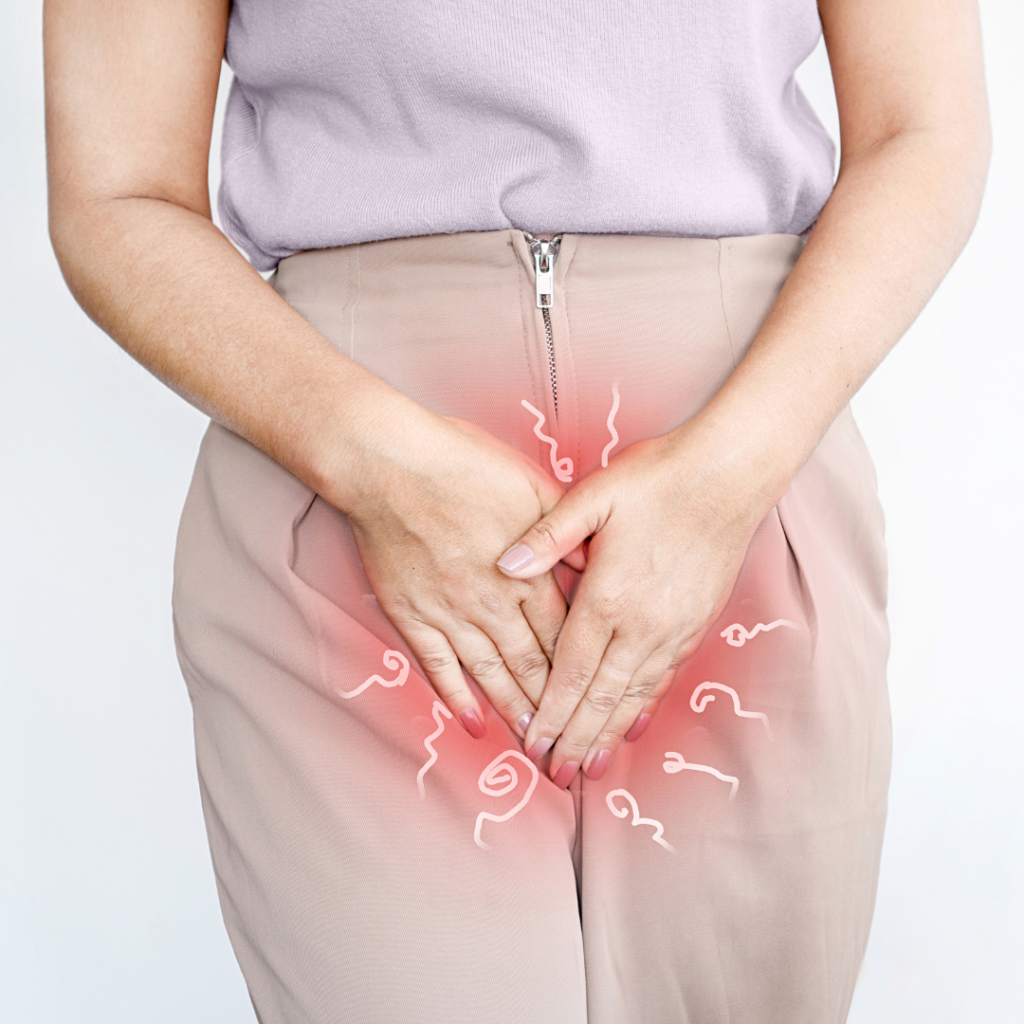
Before you conclude that vaginal dryness means you no longer love your partner or that your relationship has lost its spark, or worry that you might not be able to enjoy interhouse sports again, pause for a moment.
One of the most common questions women ask me, both both during protocol development and privately, is about vaginal dryness.
Yet, it remains one of the least discussed aspects of women’s health because many women feel embarrassed, ashamed, or simply believe it is something they must endure in silence.
My dear, it’s not every spot of this experience is an invitation for lubricant. Unless you are a interhouse sports hawker.
The truth is that vaginal dryness is not a disease on its own. It is often a symptom telling us that something in the body has changed.
For many women, the first assumption is, “Maybe I’m no longer attracted to my husband,” or “Perhaps something is wrong with my marriage.” While emotional intimacy and sexual desire can influence natural lubrication, they are only one piece of a much larger biological picture.
The vagina depends on healthy hormones, good blood circulation, an intact vaginal microbiome, adequate hydration, proper nutrition, and healthy tissues to maintain moisture and elasticity. When one or more of these systems become disrupted, dryness can occur.
One of the most common causes is declining estrogen, particularly during perimenopause and menopause. Estrogen helps maintain the thickness, elasticity, blood supply, and natural lubrication of the vaginal tissues. As estrogen falls, the tissues become thinner, less elastic, and drier, making sexual intercourse uncomfortable or even painful.
Breastfeeding can also produce similar symptoms because prolactin suppresses estrogen production after childbirth. Many new mothers experience temporary vaginal dryness despite being young and otherwise healthy.
Chronic stress is another overlooked factor. When cortisol remains elevated for prolonged periods, reproductive hormones can become dysregulated, sexual desire may decline, and natural lubrication may reduce. In other words, your body often prioritizes survival over reproduction when it perceives stress.
Several medications can also contribute. Certain antidepressants, antihistamines, hormonal contraceptives, medications used for endometriosis, chemotherapy, and some breast cancer treatments are well-known contributors to vaginal dryness.
Medical conditions such as diabetes, autoimmune diseases including Sjögren syndrome, thyroid disorders, pelvic radiation therapy, and surgical removal of the ovaries can also affect vaginal moisture by altering hormones, nerves, blood flow, or gland function.
Even lifestyle factors matter. Smoking reduces blood flow to vaginal tissues. Excessive alcohol can contribute to dehydration. Poor nutrition, inadequate water intake, and insufficient healthy fats may also affect tissue health over time.
The encouraging news is that vaginal dryness is often treatable. Depending on the underlying cause, management may include addressing hormonal changes, reviewing medications with a healthcare professional, treating underlying medical conditions, improving hydration and nutrition, strengthening pelvic floor health, reducing stress, using appropriate vaginal moisturizers or lubricants, and, where medically appropriate, hormone-based therapies prescribed by a qualified clinician.
Most importantly, vaginal dryness should never be ignored simply because it is common. Persistent dryness, pain during sex, bleeding after intercourse due to unnatural friction, unusual discharge, or recurrent infections deserve proper medical evaluation.
The goal should always be to identify and treat the underlying cause rather than merely masking the symptoms.
In my book, WHAT IS LIFE WITHOUT ORGASM? and our other educational resources, I discuss these issues in greater detail, explaining the science behind women’s sexual health and sharing evidence-based approaches that can help women understand their bodies better.
Conversations about women’s health should never stop because they are uncomfortable. The more we talk openly, the more women realize they are not alone, and the sooner they can receive the help they deserve.
You may also find many of our other books in our store valuable for understanding women’s health, longevity, hormonal wellness, and healthy aging. Your health is too important to leave to myths, embarrassment, or silence.