RoLAC Sets Up Monitoring Team for Anambra Justice Sector
Lawrence Nwimo, Awka
The Rule of Law and Anti-Corruption Programme has set up a monitoring team to track criminal justice delivery and compliance with justice laws in Anambra State.
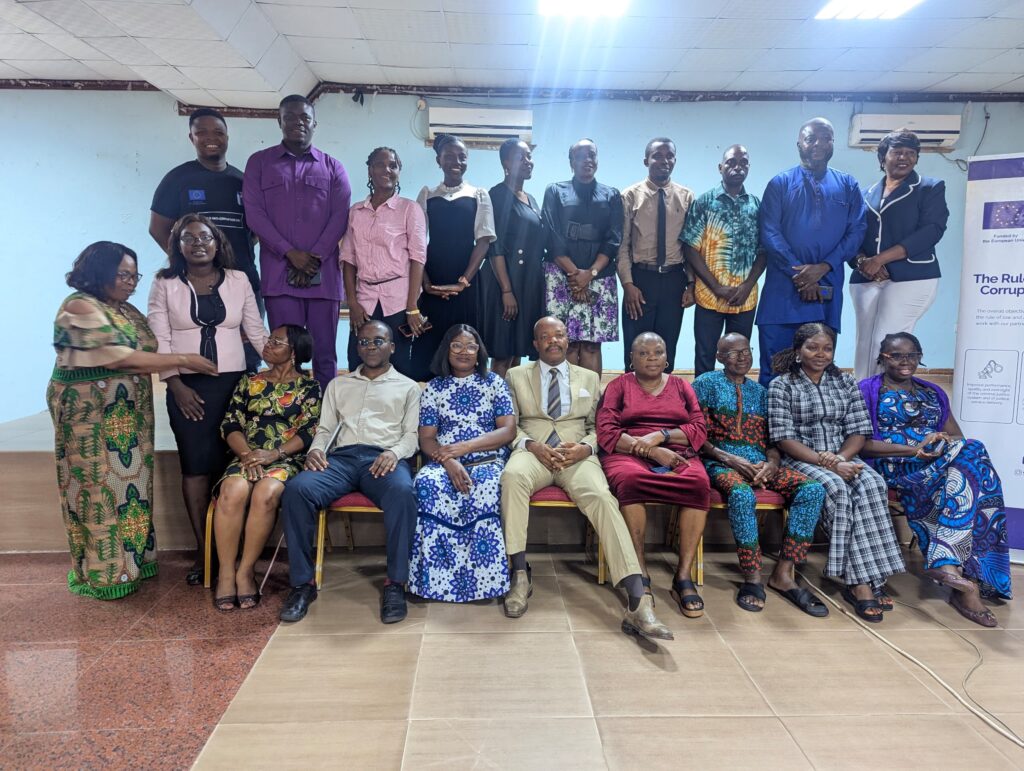
The team, known as the CSO-led Criminal Justice Observatory, was inaugurated on Wednesday in Awka during a two-day Planning Workshop for Monitoring the Implementation of the Administration of Criminal Justice Law and other complementary criminal justice legislations.
The workshop was organised by RoLAC with support from the International Institute for Democracy and Electoral Assistance and funded by the European Union. Participants included civil society organisations, media practitioners, judicial correspondents and officials of the state Ministry of Justice.
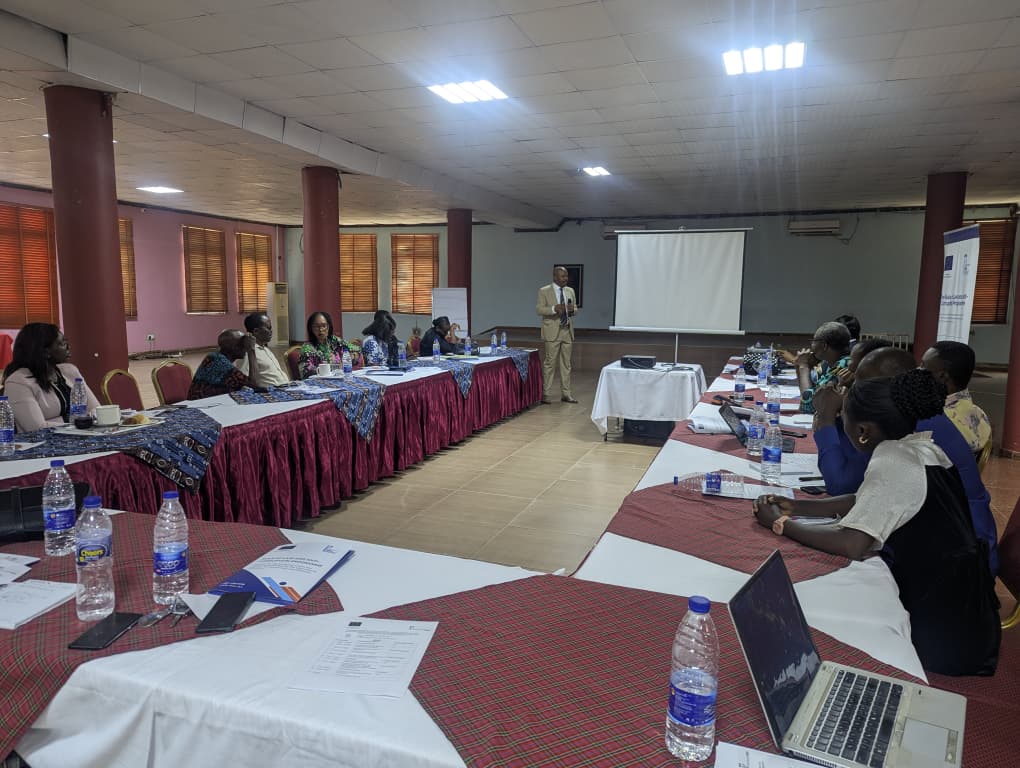
Declaring the workshop open, the RoLAC Coordinator in Anambra, Dr Josephine Onah, said the observatory was constituted to bridge gaps in the implementation of criminal justice laws.
She said, “RoLAC thought it wise to have the CSOs gathered to discuss issues of criminal justice delivery. Like the name implies, this is a CSOs observatory group convened to observe. They are to observe scenarios or situations. The group is made up of CSOs, the media and state partners including Ministry of Justice and Ministry of Women Affairs.
“The group is expected to go to institutions and monitor what they are doing and how they are complying with provisions of criminal justice laws which is geared towards reforming the criminal justice delivery.
“We want them to advocate for the proper, adequate and standardised implementation of the ACJ law and other complementary legislation to ACJL. They are going to the relevant institutions that are actors and work on criminal justice delivery.”
Speaking further, Onah decried that while Abia State had just assented to four justice sector laws, including the criminal law and restorative justice law, Anambra’s reviewed criminal law had remained unattended to since 2024 despite sustained advocacy.
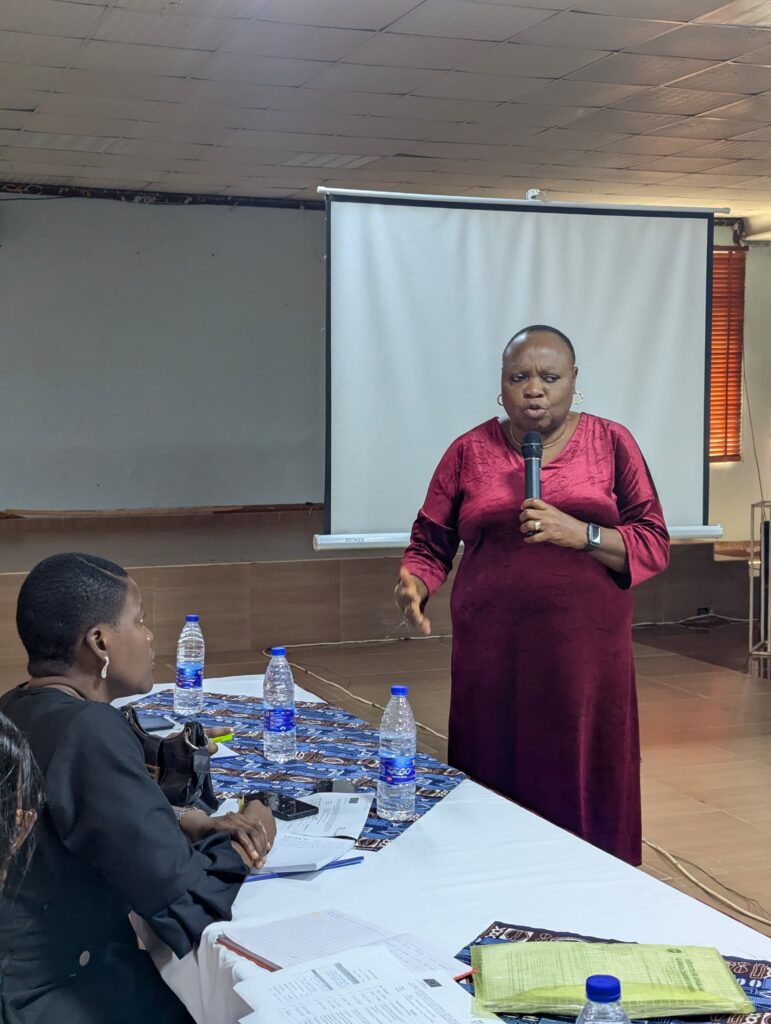
She said, “We are having this convening because we know that we have a lot of gaps in the compliance to the ACJL and the other laws as well. We have need for certain legislation that we have supported overtime in their review like the criminal law which was a criminal code before.
“Yesterday, the governor of Abia State assented to four laws including the criminal law and the restorative justice law, which are the four laws that we have supported their review in the state and it has not been too long that RoLAC started in Abia as one of their focal states.
“For our own criminal law, it was reviewed in 2024. We have done quite a lot. We have advocated at various levels for these laws to be enacted and yet they are yet to be enacted. These laws complement the ACJL, the VAPP and other legislations in the state. It is quite expedient for us to have the criminal law enacted and assented to. We can borrow a leaf from Abia State and begin to advocate.
“The key objective is that we want the CSOs to go out there and feel the pulse of criminal justice delivery in the state, discover the gaps and monitor the implementation.”
In his presentation, legal expert, Dr Mike Anyadiegwu, who spoke on Overview of the ACJL and other complementary laws, described the existing criminal code as archaic and incapable of addressing modern crimes.
“The criminal code we have today is very archaic. The provisions are no longer in touch with the modern realities in criminal justice administration. It is singing a different song. We now have conflict of laws because you can’t compare a law that is trying to deal with the issue of stealing when today you can stay in your house and steal from another without breaking into their homes,” Anyadiegwu said.
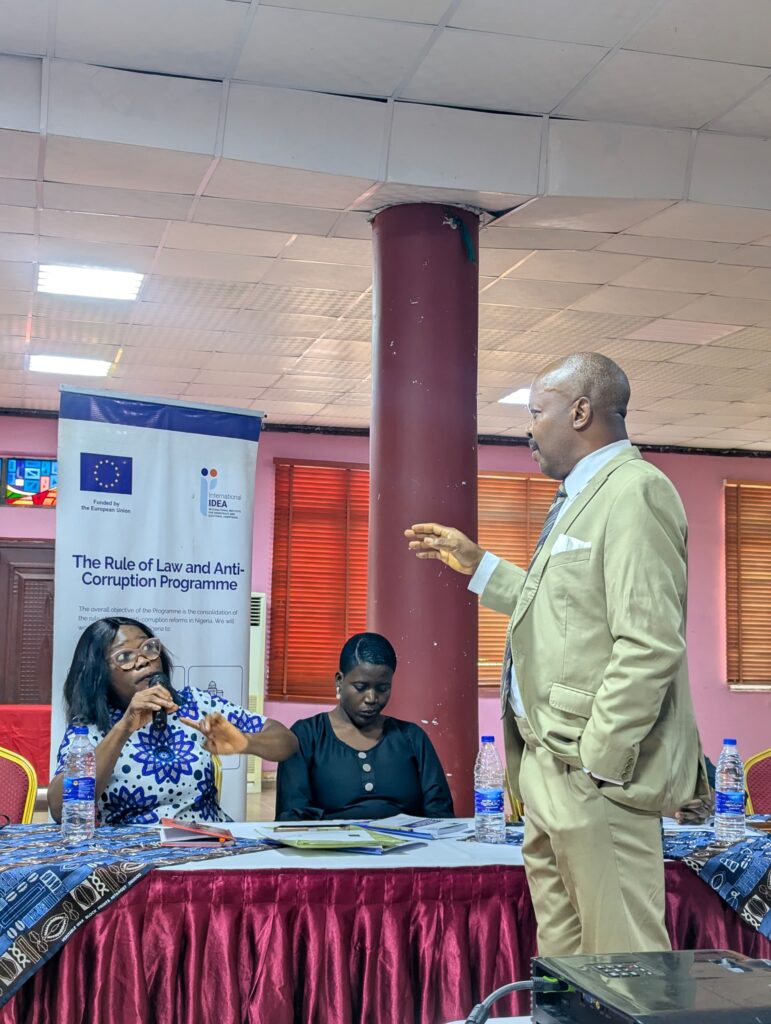
He identified poor infrastructure, poor funding, inadequate technology, institutional shortcomings and political interference as factors hindering ACJL implementation and urged CSOs to demand transmission of the reviewed law to the House of Assembly.
Also, facilitator, James Osubor, in his session on Leveraging Communication for Development, urged the observatory members to be strategic in public engagement by understanding the knowledge, attitude and practice of their target audience.
Speaking on behalf of CSOs, Ugochi Freeman said more hands are needed in the field to improve justice delivery, noting that practical field experience, not just paperwork, gives better understanding of the criminal justice system. She assured that CSOs will continue to advocate and engage to promote effective justice delivery in the state.