
Not Every Pungent Fermented Condiment Is Ogiri: Understanding Nigeria’s Diverse Ogiri Varieties
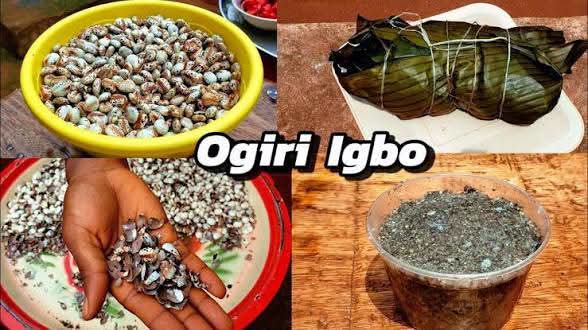
Not everything that smells strong or fermented is Ogiri. People are now fermenting anything or whatever they feel and selling them as Ogiri.
The fact that a condiment is fermented and has a strong pungent aroma does not automatically make it “Ogiri”.
Across Nigeria, several fermented seed condiments exist. Although they all undergo microbial fermentation, they differ in their botanical origin, nutritional composition, bioactive compounds, medicinal properties, flavour chemistry, and traditional culinary uses. Here are the types of Ogiri that we have, feel free to add more using the comment section:
- Ogiri Ugba – The Traditional Igbo Ogiri
Source: Fermented castor oil seeds (Ricinus communis).
This is regarded by many as the original and classical Igbo Ogiri. Through alkaline fermentation, naturally occurring Bacillus species break down proteins and fats into amino acids, peptides, and aromatic compounds responsible for its characteristic smell and rich umami taste.
Bioactive Compounds
- Bioactive peptides
- Free amino acids (especially glutamate)
- Essential fatty acids
- Fermentation-derived enzymes
- Phenolic antioxidant compounds
Potential Health Benefits
- Improves protein digestibility.
- Supports gut microbial diversity through fermented metabolites.
- Provides natural antioxidants that help reduce oxidative stress.
- Possess antimicrobial properties that help inhibit harmful microorganisms.
- Supplies amino acids essential for tissue repair and metabolic health.
- Traditionally used to stimulate appetite and improve digestion.
Traditional Medicinal Uses
Among the Igbo, Ogiri has long been used traditionally to:
a. Improve appetite during illness.
b. Support recovery after childbirth.
c. Aid digestion.
d. Enhance nutrient absorption when added to vegetable soups.
Precautions
- Raw castor seeds contain ricin, an extremely toxic protein. Proper traditional fermentation and processing are intended to detoxify the seeds. Improperly prepared Ogiri from castor seeds may be unsafe.
- Excessive intake may contribute to high sodium consumption if prepared with significant amounts of salt.
- Individuals with food allergies or compromised immunity should consume only products prepared under hygienic conditions.
- Ogiri Egusi
Source: Fermented melon seeds (Citrullus lanatus or related species).
Ogiri Egusi is widely consumed in parts of Yorubaland, particularly among the Ijebu people, as well as in some other regions. It has a milder aroma and a softer flavour than Ogiri Isi. It is also becoming widely used and in most cases sold as ogiri Ugba. It is also difficult to differentiate.
Bioactive Compounds
- Vitamin E (tocopherols)
- Polyphenols
- Unsaturated fatty acids
- Plant proteins
- Essential minerals including magnesium and zinc
Potential Health Benefits
- Supports cardiovascular health through healthy fats.
- Provides antioxidant protection.
- Supports immune function.
- Promotes skin health.
- Improves protein availability through fermentation.
- May contribute to healthier cholesterol balance.
Traditional Uses
Often added to soups not only for flavour but also as an energy-dense, protein-rich seasoning.
Precautions
- Individuals allergic to melon seeds should avoid it.
- Poor fermentation may result in microbial contamination.
- Ogiri Okpei (Okpehe)
Source: Fermented African mesquite seeds (Prosopis africana), and most cases mixed with traditional seeds.
This condiment is common across parts of the Middle Belt and some “northern Igbo” communities. It produces a pleasant earthy aroma and rich savoury taste. I personally use it in cooking my dear ofe egusi. With this, you no longer need seasoning cubes.
Bioactive Compounds
- Bioactive peptides
- Polyphenols
- Essential amino acids
- Iron
- Calcium
- Magnesium
- Potassium
Potential Health Benefits
- Supports digestive health.
- Provides antioxidant activity.
- Supplies minerals important for bone health.
- Supports healthy blood formation through its iron content.
- May possess antimicrobial properties.
- Enhances flavour naturally without artificial additives.
Traditional Medicinal Uses
Traditionally believed to:
a. Improve digestion.
b. Promote general vitality.
c. Support recovery after illness.
Precautions
- Excessive consumption may increase sodium intake depending on preparation.
- Improper fermentation can permit undesirable microbial growth.
- Ogiri Ngba
Source: Fermented sesame seeds (Sesamum indicum).
A regional variation prepared in some Nigerian communities.
Bioactive Compounds
- Sesamin
- Sesamolin
- Vitamin E
- Lignans
- Omega-6 fatty acids
- Calcium
- Zinc
Potential Health Benefits
- Powerful antioxidant activity.
- Supports heart health.
- May help reduce inflammation.
- Supports healthy blood pressure.
- Promotes bone health.
- Improves skin health.
- Fermentation enhances mineral bioavailability.
Precautions
- Sesame allergy can be severe in susceptible individuals.
- High fat content means moderation is advisable for those on calorie-restricted diets.
From a traditional culinary perspective, Ogiri ugba remains the gold standard because of its exceptionally rich flavour chemistry and deep umami profile produced through alkaline fermentation.
However, from a medical nutritional standpoint, there is no single “best” Ogiri. Each variety possesses unique bioactive compounds and health benefits determined by the seed from which it is produced.
The true value of these fermented condiments lies in what our ancestors understood long before modern science: fermentation transforms ordinary seeds into nutrient-dense functional foods with improved digestibility, enhanced flavour, and beneficial bioactive compounds.
As with all fermented foods, quality preparation, hygiene, and moderation are essential. A well-fermented Ogiri is food, culture, and medicine, but a poorly prepared one can pose health risks.