
NATURAL WAYS TO TREAT CONSTIPATION
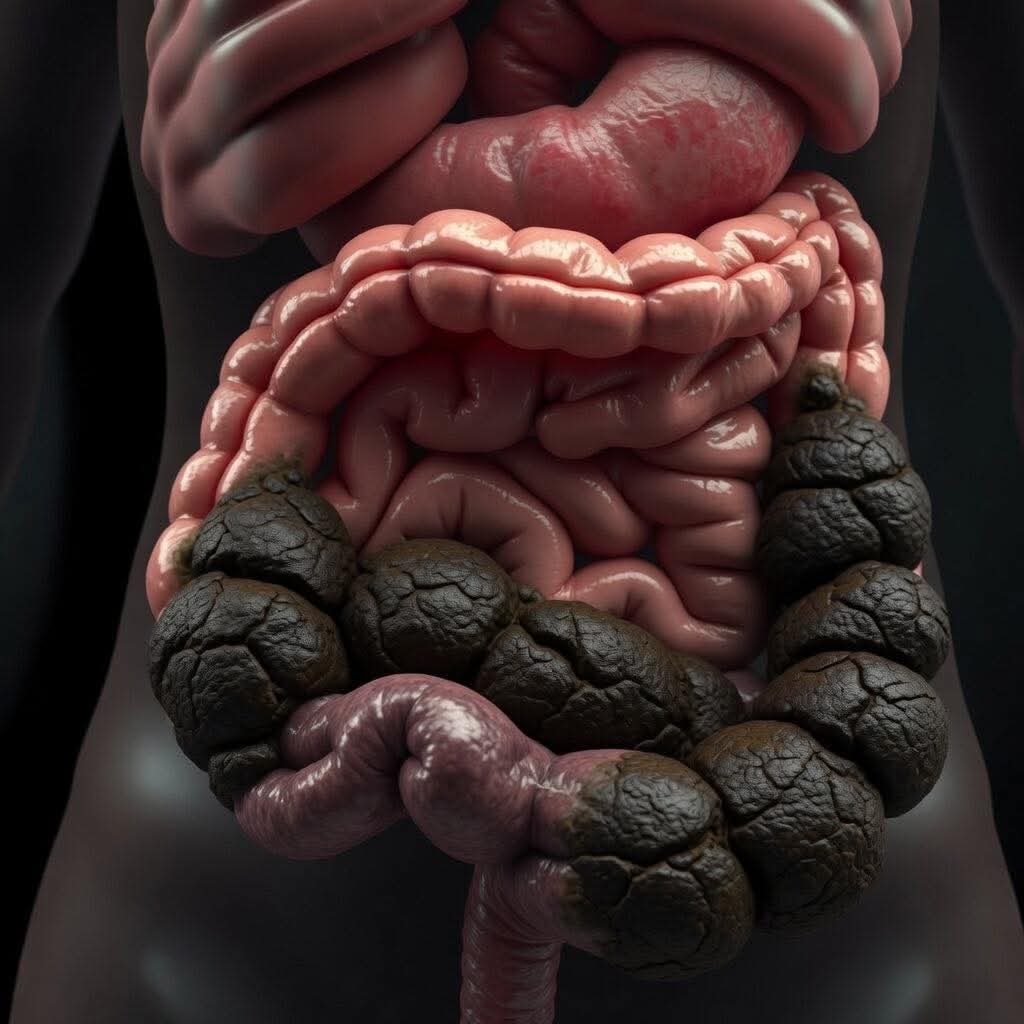
Being constipated does not just mean straining to pass waste, but also having less than 3 bowel movements weekly.
WHAT IS CONSTIPATION?
Constipation is clinically defined as having less than 3 bowel movements weekly.
This happens when stool moves too slowly through the digestive tract, allowing water to get absorbed..
..consequently leading to dry stools that are difficult to pass.
WHAT CAUSES CONSTIPATION?
Most times, constipation is a result of our lifestyles, including;
- Not eating enough fiber eg fruits, vegetables and legumes
- Being constantly dehydrated
- Lack of physical activity
- Ignoring the urge to use the loo
- Changes in normal routine
- Some medications like antacids, and antidepressants
- Hormonal changes during pregnancy
- Some conditions like hypothyroidism and irritable bowel syndrome.
- WHAT SYMPTOMS WILL YOU EXPERIENCE?
- Fewer than 3 bowel movements weekly
- Straining to have a bowel movement
- Hard, dry and lumpy stools
- Pain while passing stools
- Feeling of incomplete bowel evacuation
- Bloating or stomach discomfort
NATURAL WAYS TO TREAT CONSTIPATION
- Aim for 25-30 grams of fiber daily. You can get this from fruits, vegetables, whole grains and legumes.
Fiber adds bulk to stools and help it pass easily through the intestine.
- Stay hydrated
Drink water through the day. Aim for
.atleast 8 glasses of water daily, or more if you’re active.
- Exercise regularly
Regular physical activity helps move food through the digestive system, stimulating digestion.
Exercise for 30 minutes daily.
- Establish a routine
Have a consistent time for bowel movements. It could be early in the morning or after a meal.
- Don’t ignore the urge, go to the bathroom immediately you feel like it to avoid build up of hard stool.
- Incorporate foods rich in probiotics like yogurt, and fermented foods.
They help balance the gut microbiome. – Use laxatives if constipation persist, however don’t use them for a long time.
WHEN TO SEE A DOCTOR
Seek medical care if;
- Constipation becomes chronic and lasts several weeks
- You experience weightloss
- There’s blood in your stool
- You experience serious pain or bloating
Laxatives don’t work anymore.