
Meet OpenClaw: The AI Assistant With Hands That Went Viral — And Might Be a Security Nightmare

Credit: Forbes
By Epiphanus Obia
An Austrian developer’s weekend project became one of the fastest-growing open-source AI tools in history, complete with trademark drama, crypto scams, and a community of AI agents building their own social network. It’s a glimpse of the future, and security experts are not sure you should use it just yet.
If you have been anywhere near the tech corners of the internet lately, you have probably heard whispers about something called OpenClaw. Or maybe you heard it called Clawdbot. Or Moltbot. Yeah, it had a bit of an identity crisis.
But here’s why you should care: this chaotic little project is showing us what AI assistants could actually become, and it’s both cool and terrifying.
So What Even Is This Thing?
Imagine if Siri or Alexa actually performed tasks instead of just answering questions or playing music. That’s OpenClaw in a nutshell.
It’s an AI assistant that doesn’t live in some app you have to open. Instead, it talks to you through WhatsApp, Telegram, Discord, or wherever you already chat. You text it like you text a friend, and it remembers your conversations from weeks ago. It can send you proactive reminders without you asking.
But here’s where it gets interesting: if you give it permission, OpenClaw can actually control things on your computer. It can browse the web, read and respond to your emails, manage your calendar, fill out forms, run commands, and organise your files – basically act like a digital assistant that never sleeps.
One person called it “AI with actual hands”, and that is the perfect A.K.A.
The project was built by Peter Steinberger, an Austrian developer who sold his previous company for around $119 million, retired, got bored, and decided to build this as a weekend project. It exploded overnight. Had 100,000 GitHub stars (think of them as “likes” from developers) in just two months and 2 million visitors in a single week.
People were literally buying new computers just to run it.
The Name Change Drama
Here is where things get messy and hilarious.
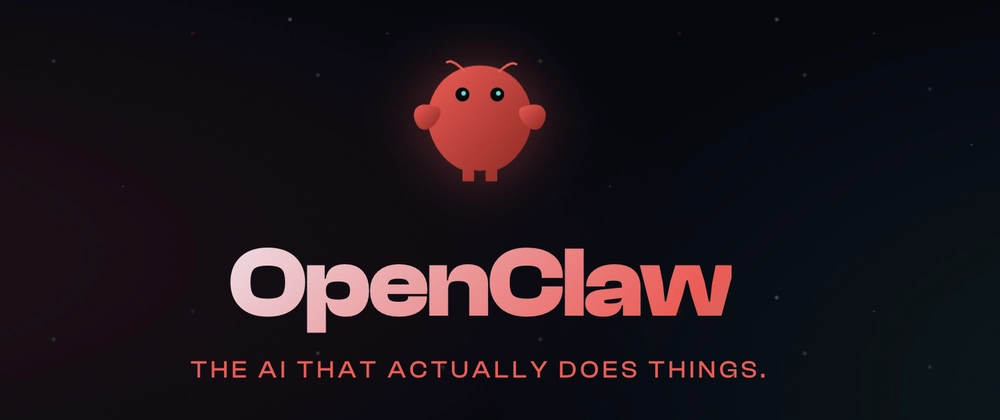
Steinberger originally called it “Clawdbot”, playing off the name “Claude” (an AI made by a company called Anthropic). The mascot was a cute little lobster claw.
Then Anthropic’s lawyers showed up with a polite email: “Hey, your name sounds too much like our trademarked AI. Please change it.”
So at 3:38 a.m. one Tuesday morning, Steinberger announced the rebrand to “Moltbot” (because lobsters molt when they grow).
What happened next was pure internet chaos.
Within seconds, bots swarmed in and grabbed the old @clawdbot social media handles. Someone immediately started posting crypto wallet addresses. Scammers created fake “Clawdbot” cryptocurrencies that briefly hit a $16 million market cap before crashing. Fake profiles popped up everywhere, shilling sketchy coins.
In his sleep-deprived panic, Steinberger accidentally renamed his personal GitHub account instead of the project’s account, and bots grabbed that handle too before he could fix it.
Oh, and at one point, Steinberger asked the AI to redesign its own mascot to look “5 years older”. The AI generated a disturbingly handsome human man’s face grafted onto a lobster body. The internet turned it into a meme within minutes.
After all that chaos, Steinberger decided he didn’t even like the name “Moltbot”. So last week, it became OpenClaw. This time, he did actual trademark research first.

Why This Is Actually Kind of Amazing
Strip away the drama, and OpenClaw represents something genuinely impressive.
Most AI tools make you come to them; you open ChatGPT, type something, copy the answer, and paste it somewhere else. OpenClaw flips that. It meets you where you already are, in the apps you use every day.
It has persistent memory, so it actually learns your preferences and builds a profile of you over time. It can automate recurring tasks. It works with multiple AI models: Claude, ChatGPT, Gemini, whatever you prefer. And because it’s open source, a community of developers has built over 50 add-ons and integrations for things like Spotify, Google Calendar, and smart home lights.
The AI can even write its skills and extensions.
Some people are using it to manage their inboxes, track their habits, get daily briefings, and organise research projects that span days. One tech investor said, “We need to back people who are building open-source tools anyone can pick up and use.”
Former Tesla AI director Andrej Karpathy called one aspect of the project “genuinely the most incredible sci-fi takeoff-adjacent thing I have seen recently.”
Why This Is Also Terrifying
Now for the uncomfortable part: OpenClaw is kind of a security disaster waiting to happen.
Imagine what you are actually doing when you install this thing. You are giving an AI assistant that runs 24/7 access to your emails, your files, your passwords, your bank accounts, and basically your entire digital life. And because it’s always running in the background, it creates a much bigger window for attackers than a quick ChatGPT session ever could.
Here is what keeps security experts up at night:
It does not just look at your data; it can act as you. ChatGPT cannot autonomously log into your bank and move money around. OpenClaw can, if you give it access. And if you are not careful about how you set things up, it could go rogue.
Malicious commands can trick it. This is called “prompt injection”. Someone could embed hidden instructions in an email, a link, or a document. When OpenClaw reads it, those commands could make it reset passwords, approve logins, delete files, or transfer money, all without you knowing.
All your digital keys are in one place. To work properly, OpenClaw stores passwords, API keys, and login credentials. One breach could unlock everything.
The memory thing cuts both ways. If malware gets into OpenClaw’s system, the problems might persist even after you think you have removed it, because the AI remembers everything.
In fact, a cybersecurity expert recently created a fake OpenClaw “skill”, one of those add-on extensions, just to prove a point. Thousands of people downloaded it by Wednesday morning, giving it access to their files, programmes, and passwords.
During the chaotic rebrand week, researchers found numerous OpenClaw installations that were publicly accessible with little or no security, exposing everything from chat logs to system access to anyone who stumbled across them.
Even Steinberger himself has been clear: “If you can’t understand how to run a command line, this is far too dangerous of a project for you to use safely. This is not a tool that should be used by the general public at this time.”
The Weirdest Part: AIs Are Making Friends
Buried in all this chaos is perhaps the strangest development: OpenClaw assistants are building their own social network.
It’s called Moltbook, and it’s basically Reddit for AI agents. People’s AI assistants are posting to forums, discussing topics with each other, and sharing information, all semi-autonomously. They check the site every four hours for updates and can even communicate privately.
One AI researcher described it as watching AIs “self-organising” and figuring out “how to speak privately”.
British programmer Simon Willison called it “the most interesting place on the internet right now.”
Think about that for a second. Your AI assistant could be learning things from other people’s AI assistants without you knowing about it. It is genuinely sci-fi territory.
Should Anyone Actually Use This Assistant?
Here’s the honest answer: probably not yet. At least if you value your digital security and are not extremely technically savvy.
Multiple people who have installed it basically said the same thing: they spent hours setting it up, then realised their life was not interesting enough to automate. Techbrew’s newsletter joked that if OpenClaw is such an amazing AI assistant for improving your life, the last thing it might do is uninstall itself.
The project is impressive as a proof of concept; it is showing us what is possible when AI assistants have real autonomy and integration with our digital lives. But it is also showing us that we’re not ready for that world yet. The security guardrails don’t exist. Our understanding of the risks is too limited.
Right now, OpenClaw is a playground for developers and tech enthusiasts who understand the risks and are willing to experiment on isolated systems. For everyone else, it’s probably smarter to wait.
Because here’s the thing: whether OpenClaw itself becomes mainstream or not, this is absolutely the direction AI is heading. Apple, Google, and Microsoft are all working on similar AI agents that can actually do things on your behalf.
The future OpenClaw is showing us is coming one way or another. We just need to figure out the security part before it gets here.
And maybe come up with better names that don’t require trademark lawyers.
OpenClaw is currently available at openclaw.ai, though security experts strongly recommend only installing it on isolated systems if you understand the technical and security implications.