FIDA Anambra to Partner HTM Networks on Legal Aid for HIV, TB and GBV Survivors
Lawrence Nwimo, Awka
The Anambra State Branch of the International Federation of Women Lawyers (FIDA) has pledged to partner with the State Advocacy Team (SAT) of the HTM Networks to strengthen legal protection and access to justice for survivors of Gender-Based Violence, HIV, and Tuberculosis.
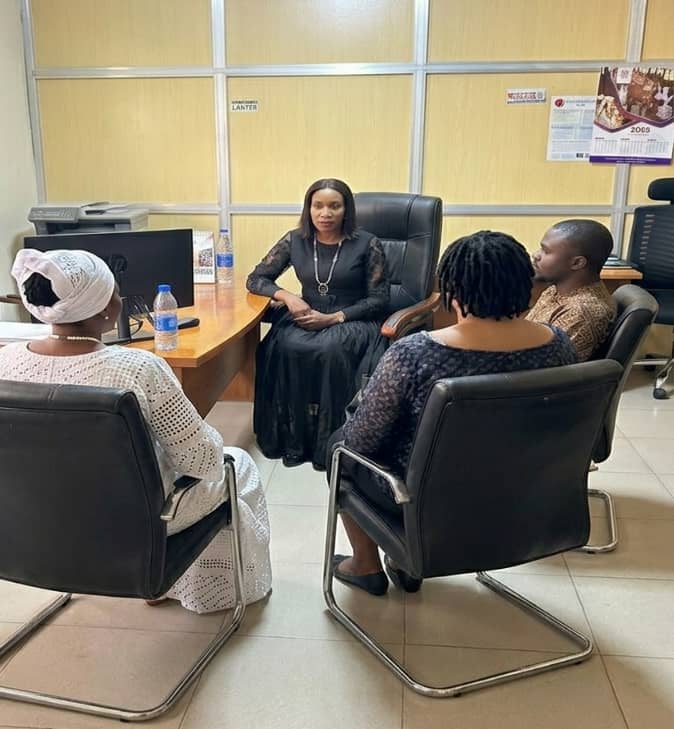
The commitment was made on Thursday, June 25, 2026, during an advocacy visit by the SAT to FIDA Anambra at the Ministry of Justice Building, Jerome Udorji Secretariat.
The visit was held under the Integrated Community-Led Monitoring [i-CLM] Project supported by the Global Fund.
Leading the delegation, Anambra State Coordinator of the Tuberculosis Network and SAT member representing the TB constituency, Ify Unachukwu, said survivors of violence, particularly women, adolescents, and other vulnerable groups, often face barriers to diagnosis, treatment, and retention in care.
She stressed that integrating legal protection, rights awareness, and survivor-centred support into the health response is critical to improving health outcomes.
Also speaking, the State Programme Officer of the TB Network, Onyekachi Ololo, cited evidence from community-led monitoring that highlighted systemic barriers faced by vulnerable populations. He called for stronger collaboration between FIDA and civil society organizations implementing the i-CLM project in areas such as legal aid, human rights protection, referral pathways for GBV survivors, community sensitization, and policy advocacy against discrimination in healthcare.
In her response, the Chairperson of FIDA Anambra State, Barrister Amara Chukuka-Muojeke, said the issues raised align with FIDA’s mandate to protect women, children, and other vulnerable persons through legal representation, mediation, public interest litigation, and advocacy for gender justice.
Barr. Muojeke expressed FIDA’s readiness to work closely with the SAT and other stakeholders to increase community awareness of legal rights, support referral systems for GBV survivors, and promote a safe and discrimination-free environment for persons seeking HIV and TB services. She emphasized the need for multi-sectoral collaboration involving health, legal, and social welfare sectors to ensure survivors receive comprehensive support.
The meeting ended with both parties agreeing to sustain dialogue and identify concrete areas of collaboration to enhance legal protection and equitable access to healthcare services across Anambra State.
The SAT delegation also included State Coordinators from the Network of People Living with HIV/AIDS in Nigeria (NEPWHAN) and the Association of Civil Society Organizations for Malaria Control, Immunization and Nutrition (ACOMIN).