
Ensure Accurate Data, Strict Protocol Compliance, Effective Teamwork – ANSACA Boss Tasks IBBSS 2026 Team
By Uzo Ugwunze
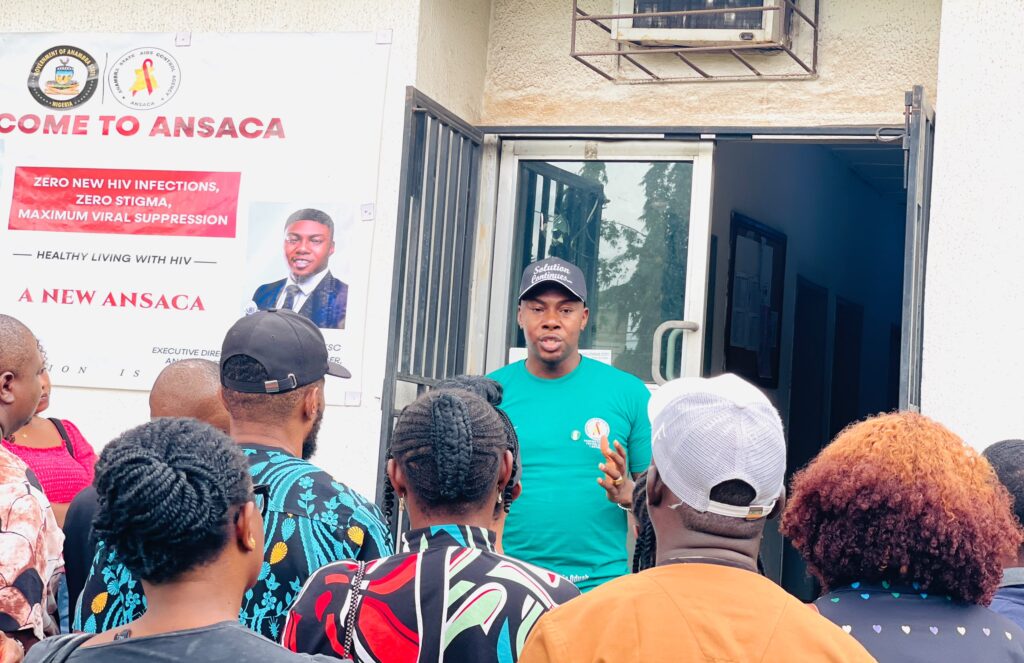
The Executive Director of the Anambra State AIDS Control Agency (ANSACA), Dr. Nkem Okeke, has tasked the Integrated Biological and Behavioural Surveillance Survey (iBBSS) 2026 team with prioritising accurate data collection, strict adherence to survey protocols and effective teamwork throughout the exercise.
Briefing the team on Sept. 15, Dr. Nkem Okeke stressed that the quality of data generated from the survey would be critical to understanding HIV-related behaviours, risks and supporting evidence-based responses for key populations in the state.
He urged team members to follow approved iBBSS procedures throughout the activity, particularly during data collection and sample gathering at designated and mapped hotspots.
ANSACA boss called for close collaboration among team members, directing them to promptly report any challenges or operational barriers that could affect the quality and outcome of the exercise.
He assured the team of ANSACA’s full support, noting that the agency and the government remained committed to providing the necessary assistance required for successful implementation of the survey.
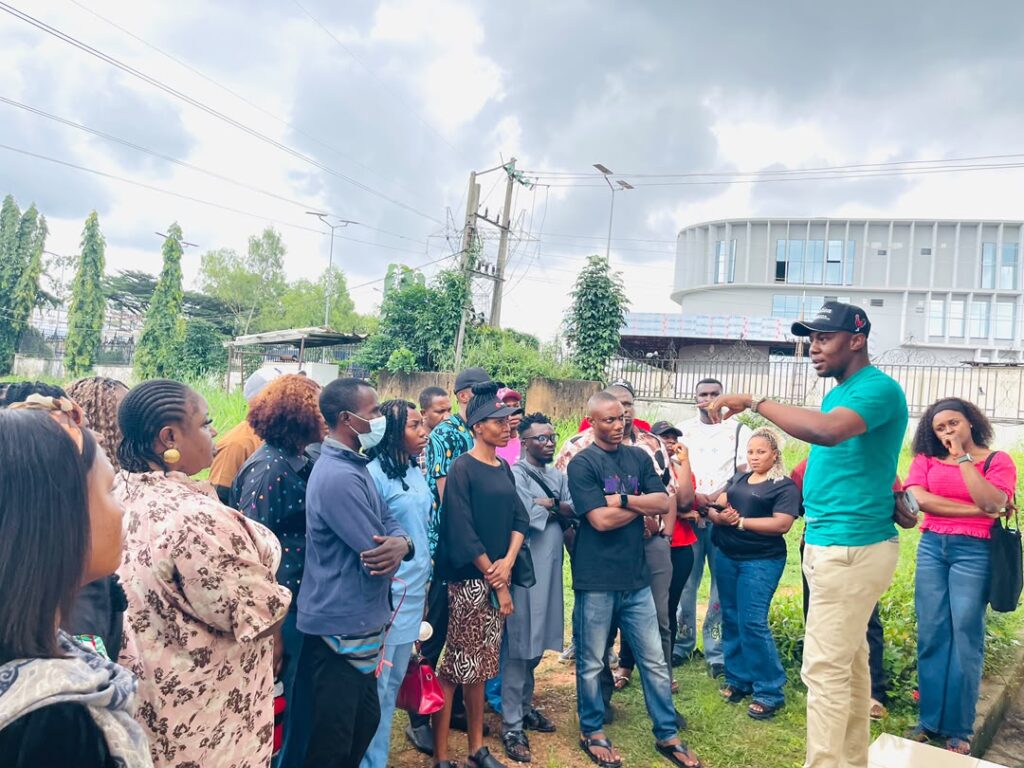
The iBBSS combines behavioural and biological surveillance to generate information on behaviours associated with HIV risk, alongside biological data obtained through sample collection from identified locations and populations.
Dr. Okeke commended the West African Centre for Public Health and Development (WACPHD), the project managers, for their support to Anambra State and commitment to ensuring that health interventions are measurable and produce meaningful impact among key populations.
He expressed confidence that through accurate data, teamwork and adherence to established protocols, the 2026 exercise would provide valuable evidence to strengthen HIV prevention and response efforts in the state.