Awka Flooding: Residents Must Join Fight Against Erosion
By Sylvia Tochukwu-Ngige
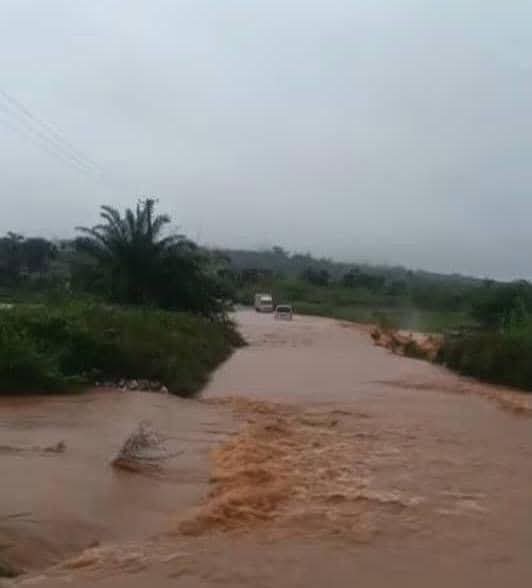
The heavy flooding witnessed in Awka on Sept. 22, should serve as a wake-up call to residents and stakeholders on the need for collective action against erosion and flooding. The incident demonstrated that erosion control cannot be left to government alone, as the failure of drainage systems affects everyone. When drains become blocked or overwhelmed, residents, businesses and motorists bear the consequences.
Residents also have a role to play in preventing flooding. The indiscriminate dumping of plastics, sachets, food waste, sand and other refuse into drainage channels obstructs the free flow of water and can cause flooding of roads and homes during heavy rainfall.
Keeping drainage channels clean is therefore more than an issue of environmental sanitation; it is also a way of protecting lives and property. Residents should avoid dumping refuse in gutters and promptly report blocked or damaged drainage channels to the relevant authorities.
The rapid expansion of Awka also requires greater attention to proper physical planning. Some buildings and developments are reportedly located around waterways and natural drainage routes, thereby obstructing the movement of storm water. Developers should obtain the necessary approvals and make adequate provision for drainage before commencing construction.
Communities should also take proactive steps rather than waiting for government intervention. Residents on each street can establish erosion-monitoring groups to identify and report blocked drains, emerging gullies, damaged culverts and other vulnerable areas before they become major problems.
There is equally a need to protect existing public infrastructure. Removing drain covers, dumping refuse in drainage channels or constructing structures on waterways undermines efforts to control flooding. Public infrastructure serves the community, and its protection is therefore a collective responsibility.
Everyone has a role to play in tackling the problem, including community leaders, landlords, religious organisations, schools and young people. Landlords should provide adequate drainage around their properties, while traditional rulers and churches can support environmental sanitation exercises. Schools should also educate pupils on proper waste disposal and the dangers of blocking drainage channels.
Residents should clear their drains and inspect vulnerable areas before heavy rainfall. During flooding, people should avoid dangerous routes and keep children away from fast-moving water. After rainfall, residents can document areas affected and report them promptly to the appropriate authorities for intervention.
Government, on its part, must continue to construct standard drainage systems, enforce physical planning regulations and respond promptly to identified erosion and flooding threats. The fight against flooding requires partnership rather than blame. With government, communities and individuals working together, Awka can strengthen its resilience and reduce the impact of future heavy rainfall.