
ATM Network, ANSACA Join Forces to Strengthen HIV, GBV Response in Anambra
Lawrence Nwimo, Awka
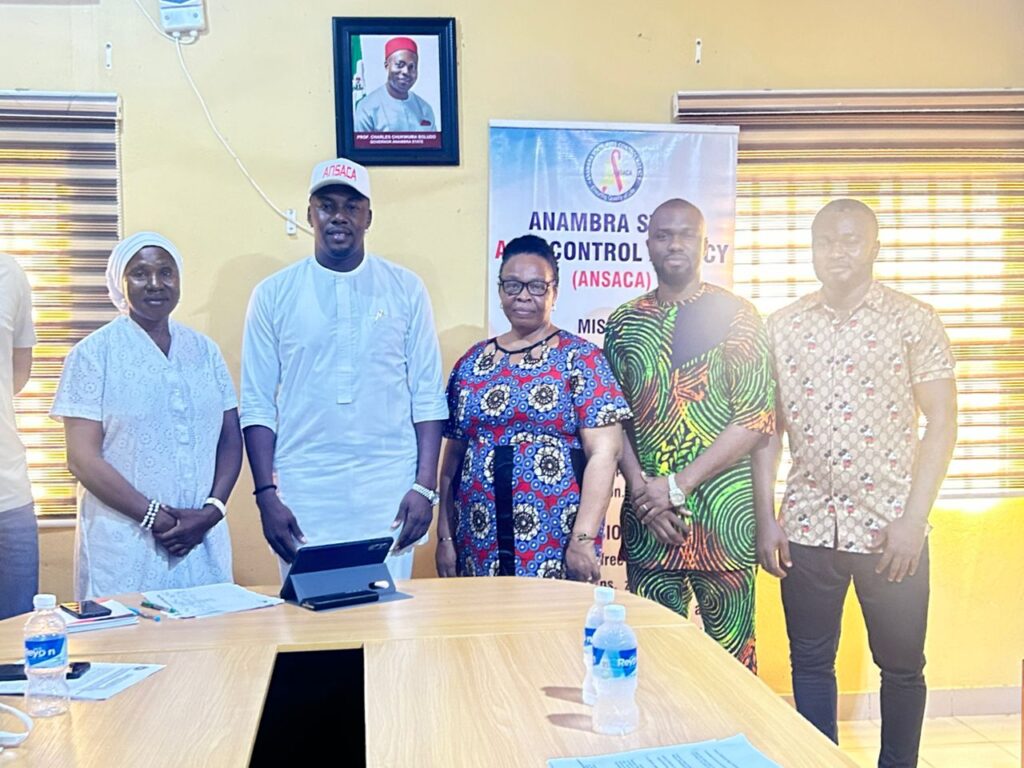
The ATM Network and the Anambra State Agency for the Control of AIDS (ANSACA) have agreed to deepen collaboration to strengthen HIV programming and advance reforms on gender-based violence and human rights across the state.
The agreement was reached during an advocacy visit by the ATM Network to ANSACA’s newly appointed Executive Director and Programme Manager, Nkem Okeke, in Awka, the state capital.
The focus was scaling up Integrated Community-Led Monitoring (CLM) to improve accountability and service delivery in primary health care facilities.
The ATM Network is a coalition of the TB Network, the Network of People Living with HIV/AIDS in Nigeria (NEPWHAN), and the Association for the Control of Malaria in Nigeria (ACOMIN). Its CLM initiative is supported by the Institute of Human Virology Nigeria (IHVN).
Leading the delegation, State Coordinator of the TB Network, Ify Unachukwu, said Anambra still faced persistent challenges in HIV response, including stigma, low uptake of testing, gaps in treatment adherence, and inconsistent access to commodities at PHC level.
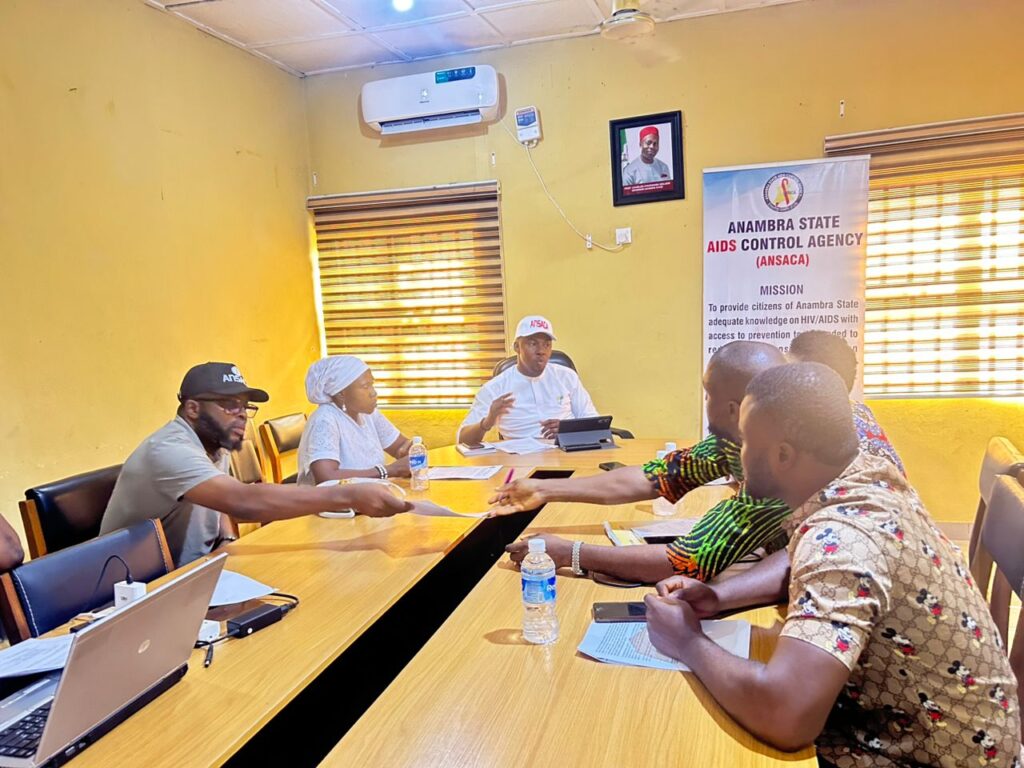
“While government interventions remain commendable, there is an urgent need to strengthen grassroots structures that will bridge the gap between policy and real service delivery in communities,” Unachukwu said.
She stressed that HIV response could not succeed without confronting gender-based violence and broader human rights issues, which she said remained prevalent in homes, schools, workplaces, markets, transport systems and even health facilities.
“Across communities in Anambra State, GBV persists… where survivors often face silence, stigma, and poor access to justice and care. These realities directly affect HIV vulnerability, treatment adherence, mental health, and access to essential services,” she said.
Unachukwu explained that CLM worked by deploying trained community monitors to track service quality, document barriers, gather client feedback, and engage PHCs and stakeholders to resolve identified gaps.
“Through this approach, we have supported PHCs to improve client-provider relationships, strengthen confidentiality and respectful service delivery, enhance community awareness and referrals, and escalate service delivery gaps for timely action,” she said.
The network proposed joint advocacy, community awareness campaigns, integration of GBV and human rights indicators into CLM reporting, joint supportive supervision of PHCs, and stronger referral systems for survivors.
TB Network Programmes Officer Samuel said community-based organisations and local budget monitors were already active in Idemili North, Onitsha North and Dunukofia, feeding findings into monthly coordination meetings with ANSACA and other stakeholders.
“The essence of what we are doing is to drastically reduce the incidences of Tuberculosis, HIV/AIDS, and Malaria, while increasing the response mechanism. We cannot do it alone, but with collaboration of critical stakeholders,” he said.
State Coordinator of NEPWHAN, Gladys Ezembu, said the network’s monitoring had already influenced policy. She cited the introduction of free child delivery services after monitors found that some PHC officers were charging pregnant women varying fees for male and female babies.
“It was during GC-7 that we found out that some OICs in various PHCs collect heavy amounts of money from pregnant women that came for deliveries… The findings triggered pushing for free child delivery in the state,” Ezembu said.
Responding, ANSACA Executive Director Nkem Okeke welcomed the partnership and said the agency had developed a State Strategic Transformation and Sustainability Plan covering 2026 to 2028.
“Our doors are open for collaborations. We are ready to work and give our services. We equally need services and support. Everything must not be about money, we can also get your support in technical forms,” Okeke said.
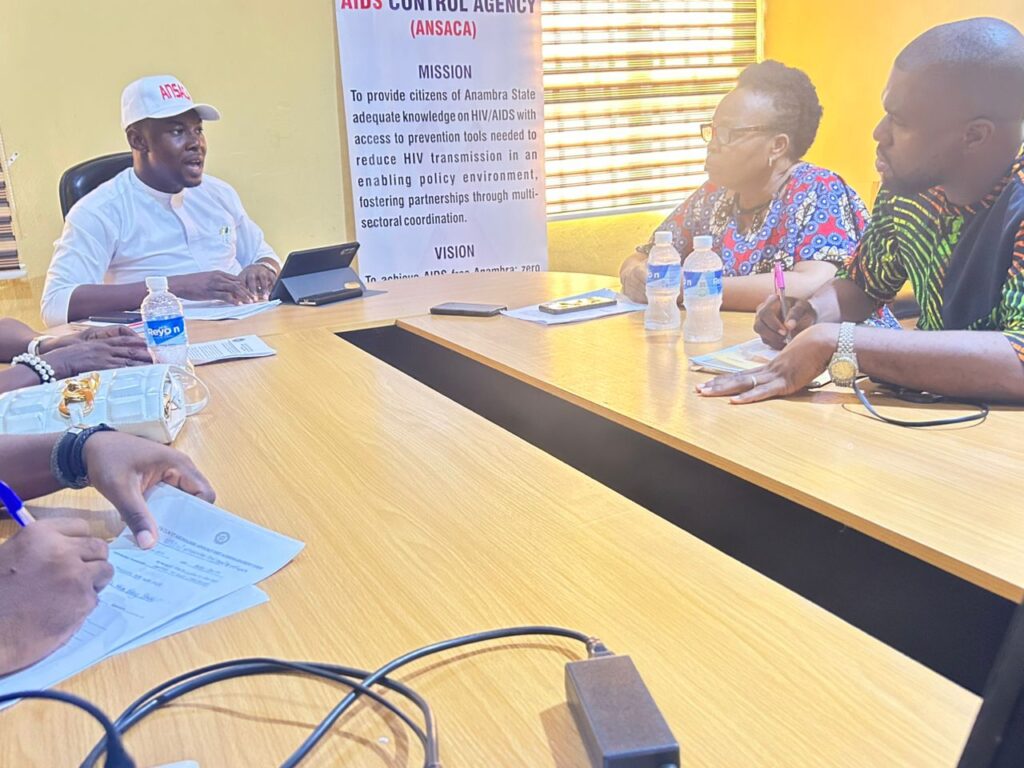
He announced the launch of a free HIV initiative and the establishment of the HIV Awareness Brigade to drive community engagement and reduce stigma.
“We want to establish a structure that we called HIV Awareness Brigade. It will trickle down from state to wards. At the local government level, we intend to have three supervisors, and at ward level we have five brigadiers,” he said.
Okeke explained that each brigade would include representatives from traditional institutions, primary health care, faith-based organisations, youth wings and women’s groups, and would be trained on the technical and ethical aspects of HIV response.