Anambra Stakeholders Seek Greater Focus on PHCs in Community Development Plans

By Lawrence Nwimo, Awka
Stakeholders in Anambra State have called for greater attention to Primary Healthcare Centres (PHCs) in community development planning to boost maternal and child healthcare service delivery.
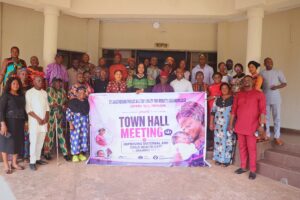
The call was made on Monday, during a Town Hall Meeting on Maternal and Child Healthcare organised under the Strengthening Public Accountability for Results and Knowledge (SPARK II) Project in Awka.
The project is being implemented by Justice Development and Peace Caritas (JDPC) Nnewi in collaboration with Social and Integral Development Centre (SIDEC), Civil Rights Concern (CRC) and Community Empowerment Network (COMEN), with support from the International Budget Partnership (IBP).
Participants said healthcare has often been given low priority in Community Charters of Demands (CCDs), with many communities focusing more on roads and other physical infrastructure.
The meeting drew together Presidents-General, Ward Development Committee (WDC) members, women representatives, persons with disabilities, civil society organisations and government officials.
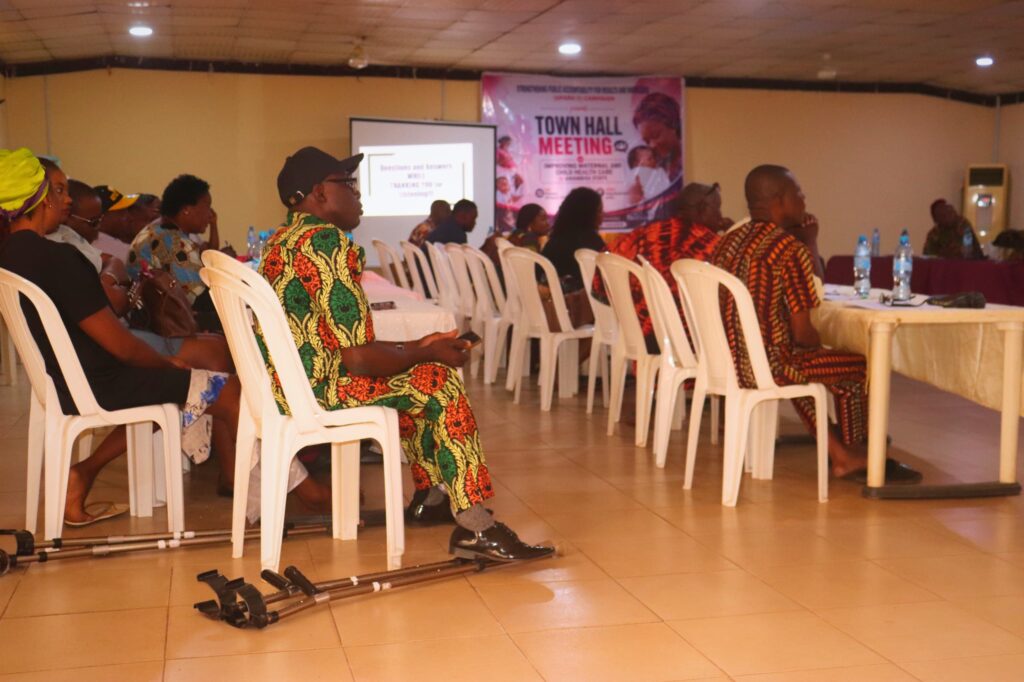
Stakeholders said the trend was affecting the delivery of maternal and child healthcare services at the grassroots and urged WDCs to strengthen engagement with Presidents-General and community leadership to ensure that health needs are reflected in community development plans.
They also identified other challenges confronting PHCs to include inadequate number of health workers, shortage of essential medicines, poor infrastructure, and weak implementation of the Basic Health Care Provision Fund (BHCPF).
To address the issues, participants called for improved collaboration between WDCs, community health committees, traditional rulers and government to enhance monitoring, information sharing and community ownership of PHCs.
Speaking on behalf of the Anambra State Primary Health Care Development Agency (ASPHCDA), Dr. Ngozi Okeke said the state government was taking steps to strengthen primary healthcare delivery. She disclosed plans to recruit more health workers and improve partnership with communities.
Dr. Okeke further stressed the need for inclusive WDCs with adequate representation of women, persons with disabilities and other vulnerable groups. She also announced plans to establish a Food Bank for Malnourished Children in the state.
Chairman of the Joint National Association of Persons With Disabilities (JONAPWD), Comrade Ugochukwu Okeke, raised concerns over accessibility barriers in many PHCs, including lack of ramps, narrow doorways and limited support for persons with hearing impairment. They urged government and communities to ensure that health facilities are disability-friendly and that persons with disabilities are included in healthcare decision-making.
In their resolutions, stakeholders committed to strengthening collaboration among government, communities and civil society to improve staffing, availability of medicines, accessibility of PHCs and accountability in the implementation of BHCPF.
They agreed that sustained community participation, evidence-based advocacy and government commitment are critical to improving maternal and child health outcomes and building a more responsive primary healthcare system in Anambra State.