WACOL, RoLAC Task Anambra GBV Stakeholders on Survivor-Centred Justice, Demand Stronger State Support
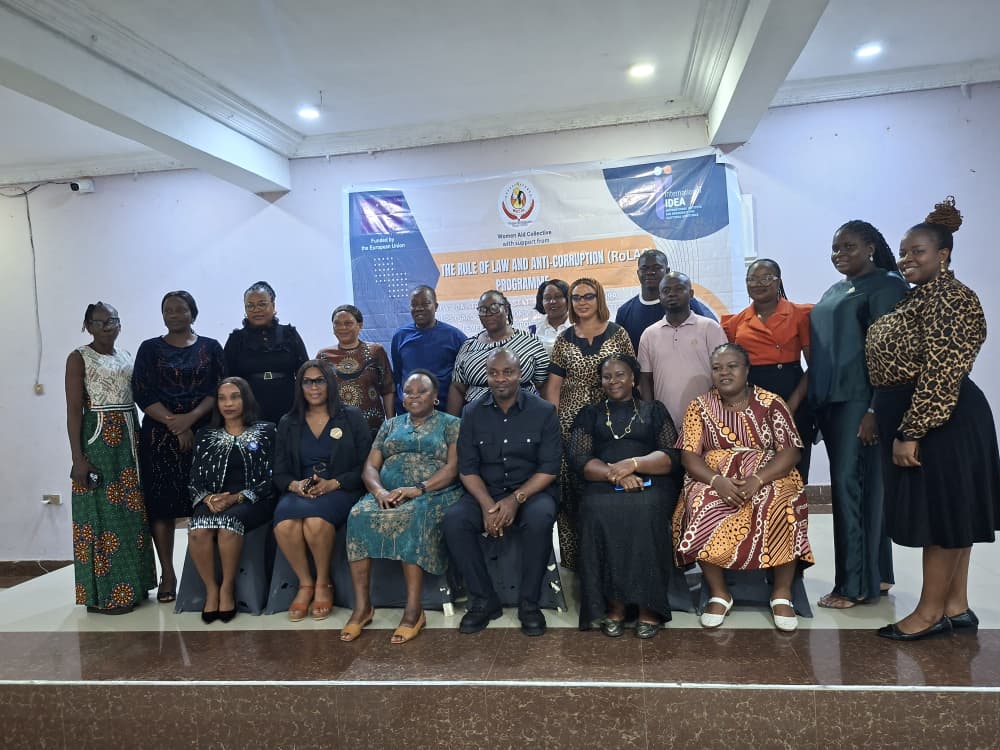
By Lawrence Nwimo, Awka
In a renewed push to strengthen justice and accountability for survivors of Sexual and Gender-Based Violence (SGBV), the Women Aid Collective (WACOL) and the Rule of Law and Anti-Corruption (RoLAC) Programme have called on stakeholders in Anambra State to adopt a survivor-centred approach and deepen collaboration in emergency response and referrals.
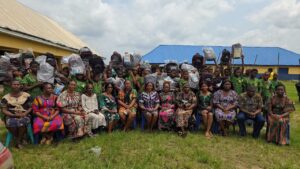
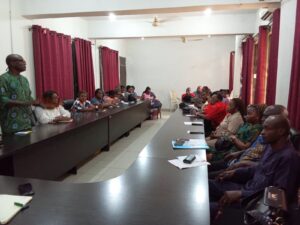
The call was made during a recent two-day training of State Response and Referral Groups on Emergency Response and Referrals held in Awka, the State capital.
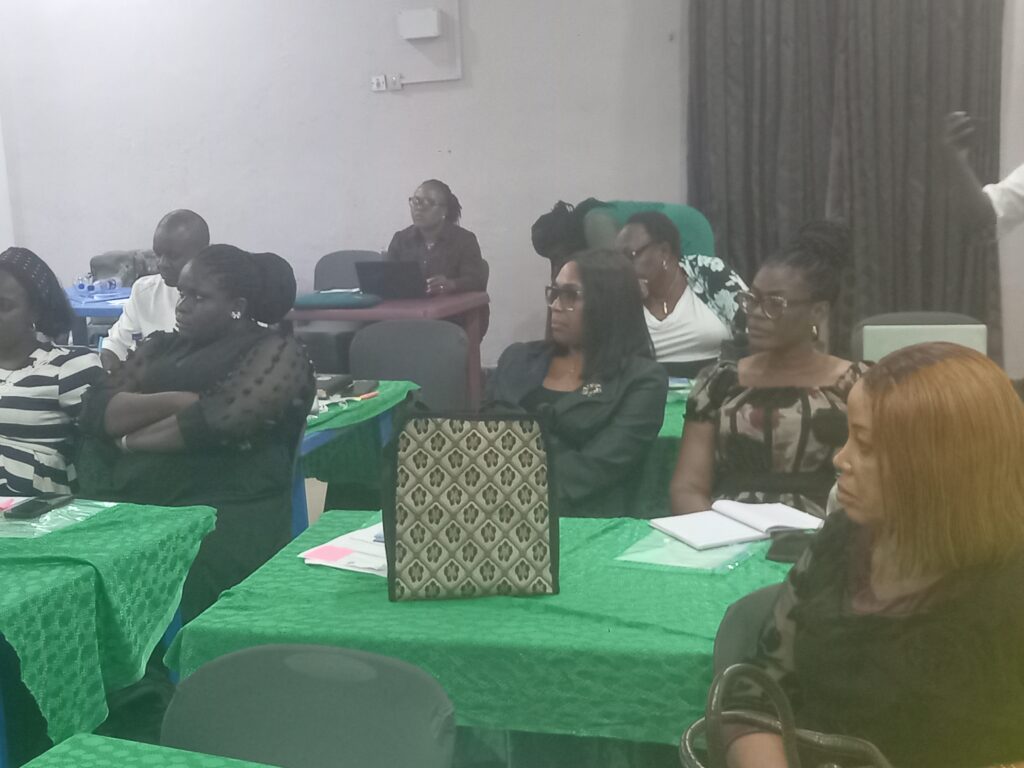
The training, themed “Enhancing access to justice and accountability for marginalized groups and SGBV survivors,” was organized by WACOL in collaboration with RoLAC, with funding support from the European Union and implementation backing from International IDEA.
Declaring the workshop open, RoLAC Programme Coordinator in Anambra, Dr. Josephine Onah, called for increased commitment from stakeholders and the state government to sustain the fight against SGBV.
“Coordination is not the problem of Anambra SARC in GBV. I encourage participants to open up their minds, expose their challenges, and work collaboratively to achieve the desired result,” Dr. Onah said.
“I call on Anambra state government to amplify and sustain support to SARC in the drive for a violence-free society. I also call for more commitment from participants. Though milestones have been achieved, there is still room for improvement in the struggle for a sane society,” she added.
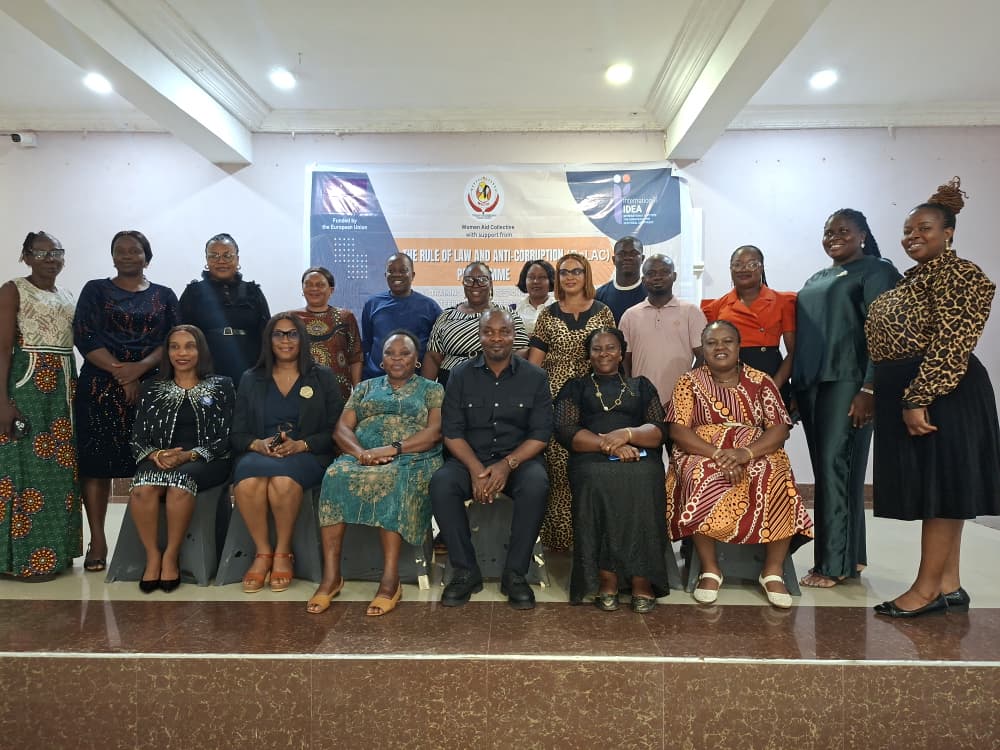
Speaking on the scope of WACOL’s intervention, Programme Manager, Nkechi Igwe, detailed the organization’s mandate and the rationale behind the training.
“WACOL advocates for women and young people’s rights. We offer free legal aid, shelter, and holistic support through our sexual assault center, while training response teams, police, and justice actors on SGBV and policy implementation,” she said.
On the project’s objectives, Igwe explained that the project was being implemented in four states: Anambra, Abia, Edo, and Plateau, adding that the idea behind it was to enhance access to justice and accountability for survivors of sexual and gender-based violence.
She said, “We are doing this through looking at the response teams in each of this state, trying to recognize how effective and coordinated they are in discharging their work. We also try to understand how quick they respond to emergencies and in seeking justice for survivors in the state.
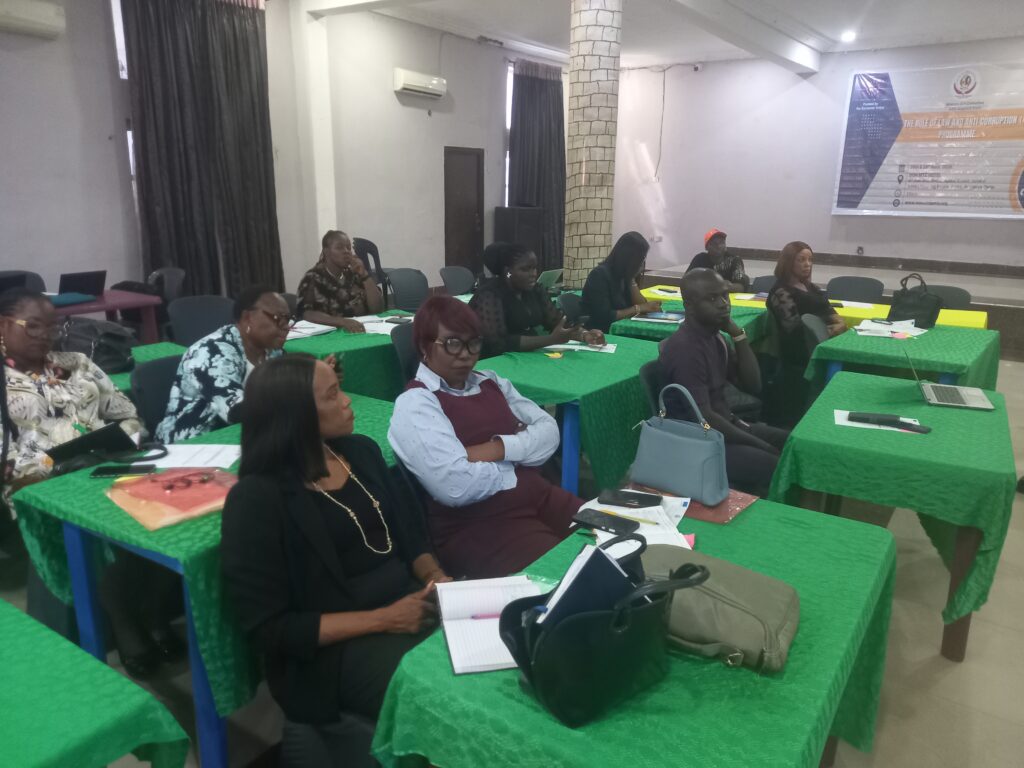
Igwe stressed the need for synergy between state and non-state actors, noting that government support goes beyond financial aid. She urged stakeholders to work as a team rather than as individual organizations, emphasizing that collaboration was critical to securing justice for survivors.
She explained that the state could leverage existing community structures to advance the fight against SGBV, and that government intervention did not always have to come in the form of cash disbursements. According to her, restructuring systems and facilitating the work of frontline actors were equally vital forms of support.
“Government can take the existing structures in different communities to achieve their aim. Government must not support with physical cash but can help to facilitate what they are doing. Everything government can do must not be about bringing out cash but can be about restructuring the system and supporting those that are working to get justice for survivors,” she said.
Permanent Secretary, Anambra State Ministry of Women Affairs and Social Welfare, Mrs. Chinwe Achugbu, commended WACOL and RoLAC for their interventions in the state, describing them as crucial to the fight against SGBV. She affirmed that the state government remained open, interested, and available to partner with any organization committed to the development and safety of Anambra citizens.
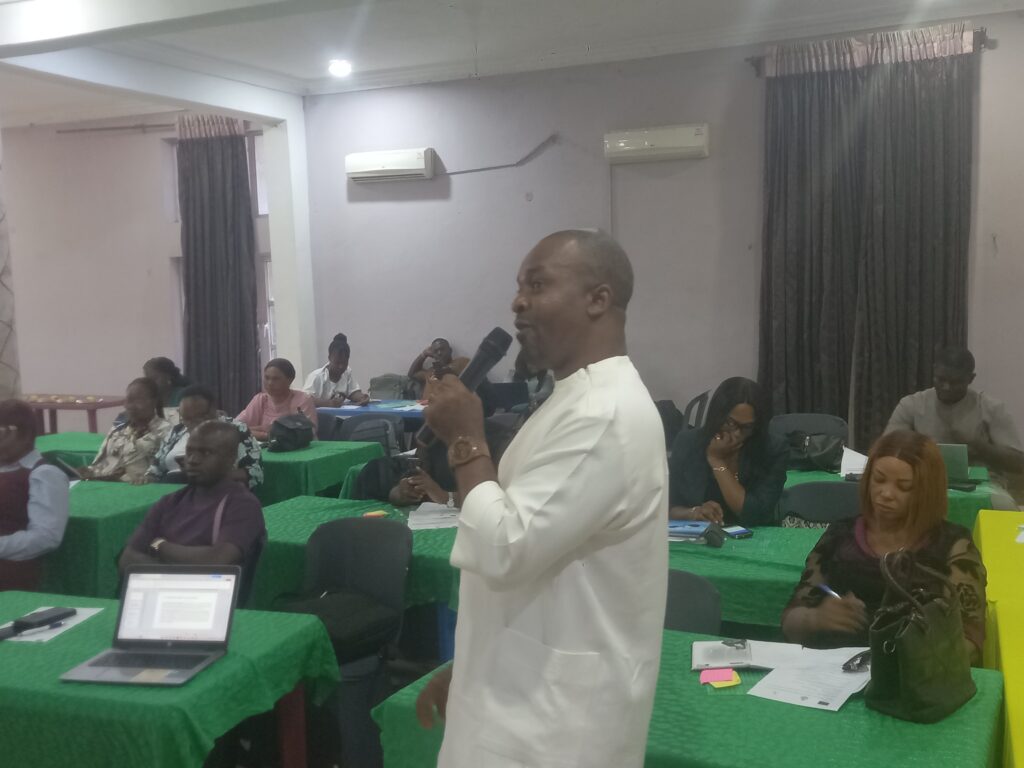
Achugbu further charged participants at the training not to take the knowledge gained for granted, but to apply it practically for the good of the state and the protection of survivors.
“We commend RoLAC and WACOL for their interventions in the state. We want to note that government is always open, interested and available to partner and support any organization that has the interest of the development of the state. I urge the participants not to take what they have learnt for granted but to implement the knowledge for the good of the state,”she said.
One of the participants, Barr. Amara Mojeke from Anambra Ministry of Justice, said the training reinforced the importance of a unified, survivor-focused approach in tackling SGBV in the state.
She noted that the workshop, equipped participants with practical tools to work collaboratively across agencies and sectors. She added that the training would make response teams more effective, and that participants had resolved to deepen collaboration to ensure full implementation of GBV interventions in Anambra State.
“We were sent here to be trained by RoLAC and WACOL. The workshops equipped us to work collaboratively to be able to fight GBV in the state. We were taught that the fight against SGBV should be survivor-centered irrespective of gender or category. We were also taught to collaborate with every other organization as well as do referrals to be able to ensure that justice is secured for the survivors,” Mojeke said.
The two-day sessions were facilitated by seasoned experts including Prof. Sylvester Anya, Dr. Helen Kalu, and Mrs. Nkechi Igwe. Technical sessions covered disclosure management, referral procedures, mandatory reporting obligations, case management, documentation, monitoring, and multi-sectoral collaboration.
Discussions also addressed the needs of specific vulnerable groups “including child survivors, adolescent girls, persons living with disabilities, older women, and male survivors, reinforcing the reality that GBV response must be inclusive and context-sensitive.”
Participants were taken through “foundational principles for engaging survivors, with emphasis on adopting a survivor-centred approach that prioritises dignity, confidentiality, empathy, and informed consent.”
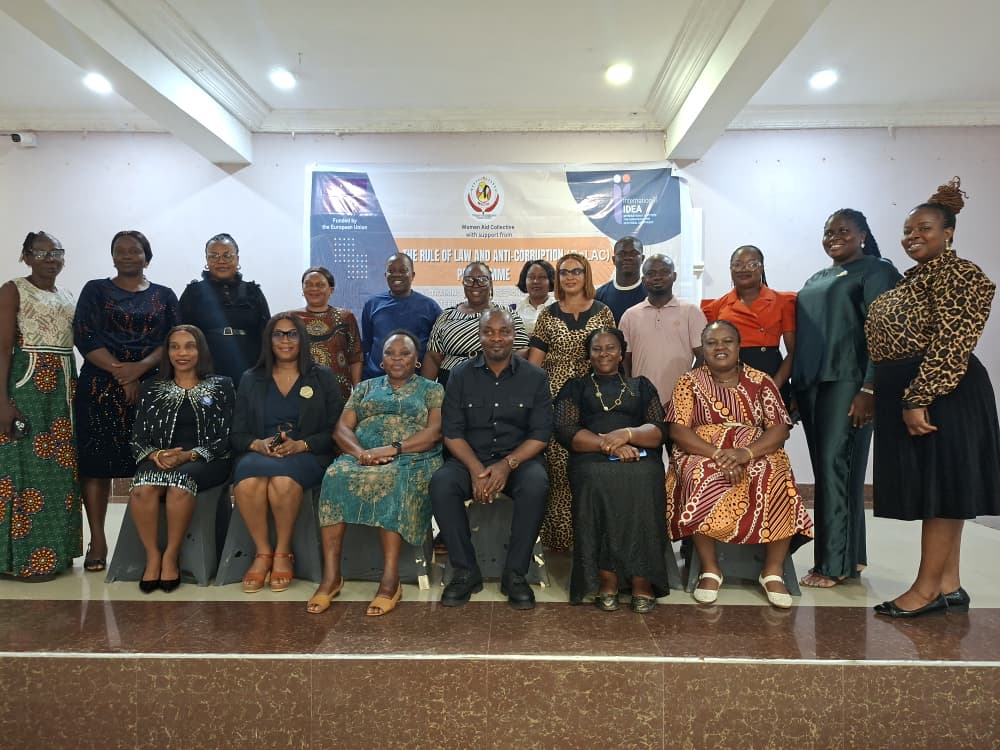
The workshop culminated in the presentation of the SARC Steering Committee and the unveiling of the annual workplan aimed at enhancing response coordination and service accessibility for survivors in the State.