University Don ‘Nwadinobi’ Urges Women To Restore Communal Discipline In Raising Children
…Backs Soludo’s Anambra Rebirth Program, Moral Reorientation
By Uzo Ugwunze
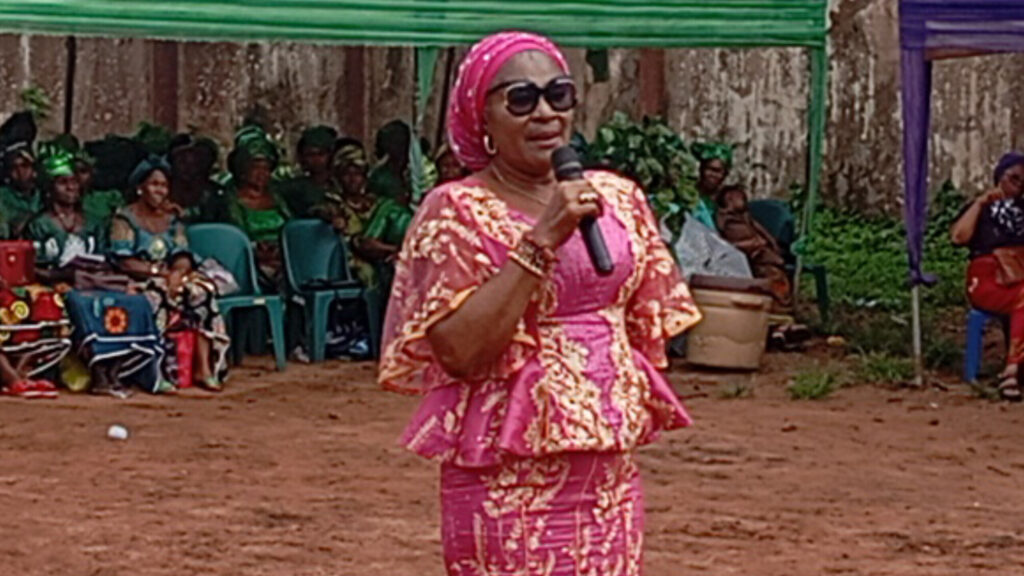
The Immediate Past Chairman of the Anambra State Universal Basic Education Board, ASUBEB, Dr. Vera Nkiru Nwadinobi has called on Igbo women to rediscover the age-long communal approach to child upbringing as a panacea to rising moral decadence in our society.
Dr. Nwadinobi made the call on August 5, 2026, while presenting a paper titled “An Assessment of Discipline and Indulgence in Child Upbringing” at the Inyom Alor 2026 August Women’s Meeting held at Umuoshi Town Hall, Alor, Idemili South LGA.
Presenting her paper, Dr. Nwadinobi noted that traditionally, child upbringing in Igboland was a communal responsibility, where children were regarded as ‘Nwa anyi’ or ‘Nwa ora’ meaning “our child” or “community child.”
According to her, “This communal approach ensured that children were nurtured, disciplined, and morally guided by elders, family members, and peers. Folklore, proverbs, songs, and storytelling were central to teaching virtues, social norms, and respect for elders.”
“Originally in Igboland, communal training of children was practiced by co-wives (Ndi Nwunye di), Umu ada and umunna collectively to impart good morals, discipline, respect for elders and others.
“Like before, the extended family members should be involved in training a child, those days, neighbors in the streets help to train and correct other children by reporting their evil acts to their parents. If you see a child half dressed, don’t curse rather correct in love.
She lamented that globalization and modern lifestyles have shifted focus toward indulgence, prioritizing material comfort over cultural and moral training. She urged women to reintegrate traditional methods such as storytelling, proverbs, and communal moral instruction to balance nurturing with discipline.
“It seems we have failed as mothers! Igbos believe in hard work. Allow your children to learn a skill during long vacation. Do away with holiday lessons. Your child should be fluent in their mother tongue, Igbo language before any other language,” said Dr. Nwadinobi.
“While mothers remain the primary caregivers and fathers provide moral authority, modern families must embrace shared parenting. Studies show that children benefit from the involvement of both parents, exhibiting higher self-esteem and better academic performance,” she said.
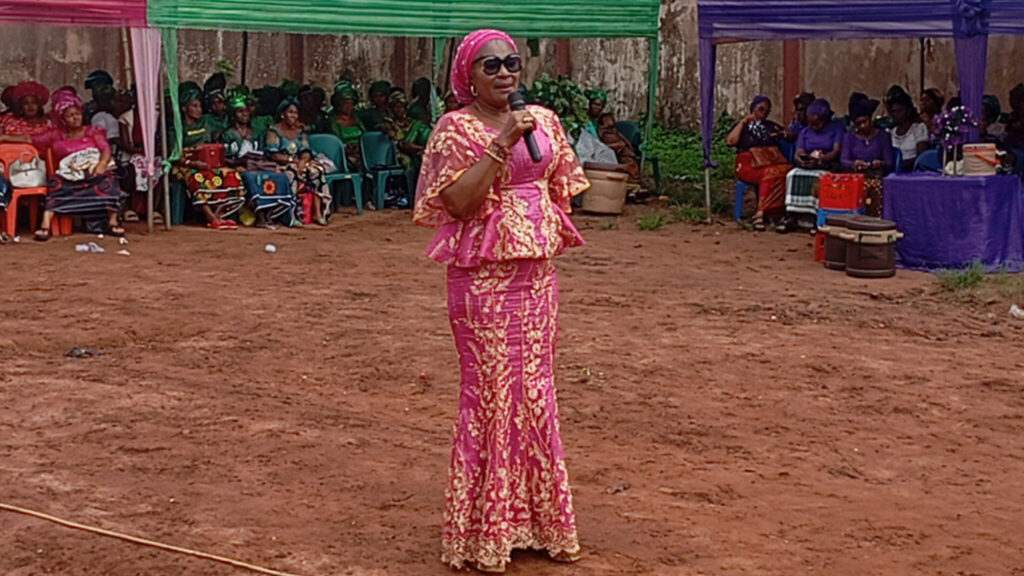
Dr. Nwadinobi further stressed the cultural significance of children in Igboland, citing names like Nwaamaka and Nwakaego as proof that children are valued as the bedrock of societal continuity.
Moreso, Dr Nwadinobi also threw her weight behind the Anambra State Governor, Prof. Charles Chukwuma Soludo’s Anambra Rebirth Programme, describing it as timely.
“The Governor’s emphasis on moral reorientation, integrity, and the dignity of hard work is key. The Rebirth Programme is aimed at curbing social vices and fostering discipline, diligence, and cultural pride among our youth. We must also join the campaign against the ‘Get-Rich-Quick’ syndrome ravaging our society,” she stated.
Dr. Nwadinobi concluded that reviving traditional child-rearing practices and emphasizing community participation are critical to raising responsible, culturally grounded adults who will sustain Igbo values across generations.
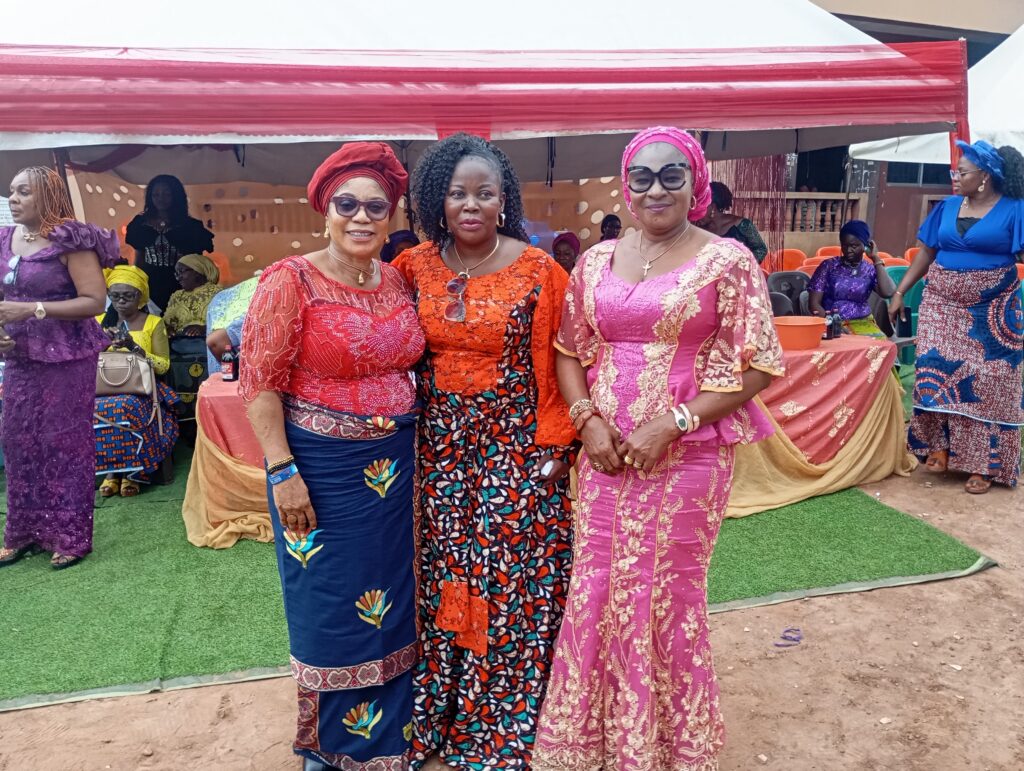
The event which featured the inauguration of the reelected Inyom Alor Exco led by Lady Ifeoma Uzokwe had in attendance women leaders, stakeholders, and members of Inyom Alor.
Dignitaries present included the Mayor of Idemili South, Hon Mrs Amaka Obi (Iyom Ifeabata), President of Anambra State Town Union Council ASTUC Women Wing, Mrs Blessing Onuigwe, Anambra State Commissioner for Women and Social Welfare Hon Mrs Esther Onyekesi ably represented by Mrs Benice Uchendu, Women Development Officer WDO and Social Welfare Unit Idemili South LGA, Lady Oby Nwosu and Ms Oby Ugwumba respectively and the President General of Alor, High Chief Emmanuel Ojukwu Agbaigwe and all entire Alor Women (Inyom Alor) including representatives from Lagos Branch and other abroad branches.