RoLAC, ANSBPP task CSOs, others on partnership to enhance procurement transparency
By Lawrence Nwimo, Awka
The Rule of Law and Anti-Corruption (RoLAC), in collaboration with the Anambra State Bureau of Public Procurement (ANSBPP) has called on Civil Society Organizations, the Media and other stakeholders on anti-Corruption to partner with government in driving procurement reforms and ensuring transparency in Anambra state.
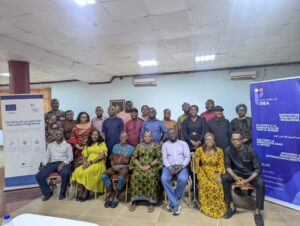
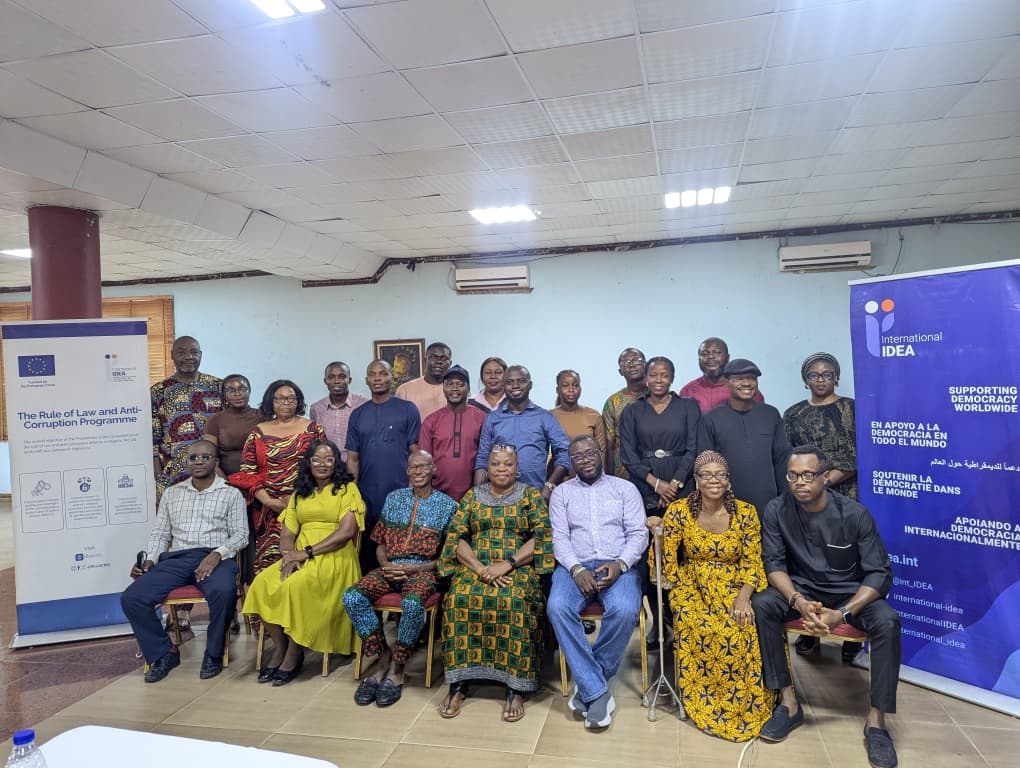
The call was made in Awka, Wednesday, at a one-day workshop organized to deepen understanding of anti-corruption principles in relation to procurement reforms and best practices in the state.
Declaring the training open, RoLAC Anambra State Coordinator, Dr Josephine Onah, said the engagement was necessary to address gaps in knowledge and practice around procurement in the state, noting that lack of understanding of the Anambra State Procurement Law, 2020, among key actors remains a major threat to accountability in the procurement system.
She stressed that the role of CSOs and the media should go beyond criticism to actively supporting government institutions to achieve global best practices, and added that the workshop was designed to equip stakeholders with the right tools to promote transparency and accountability.
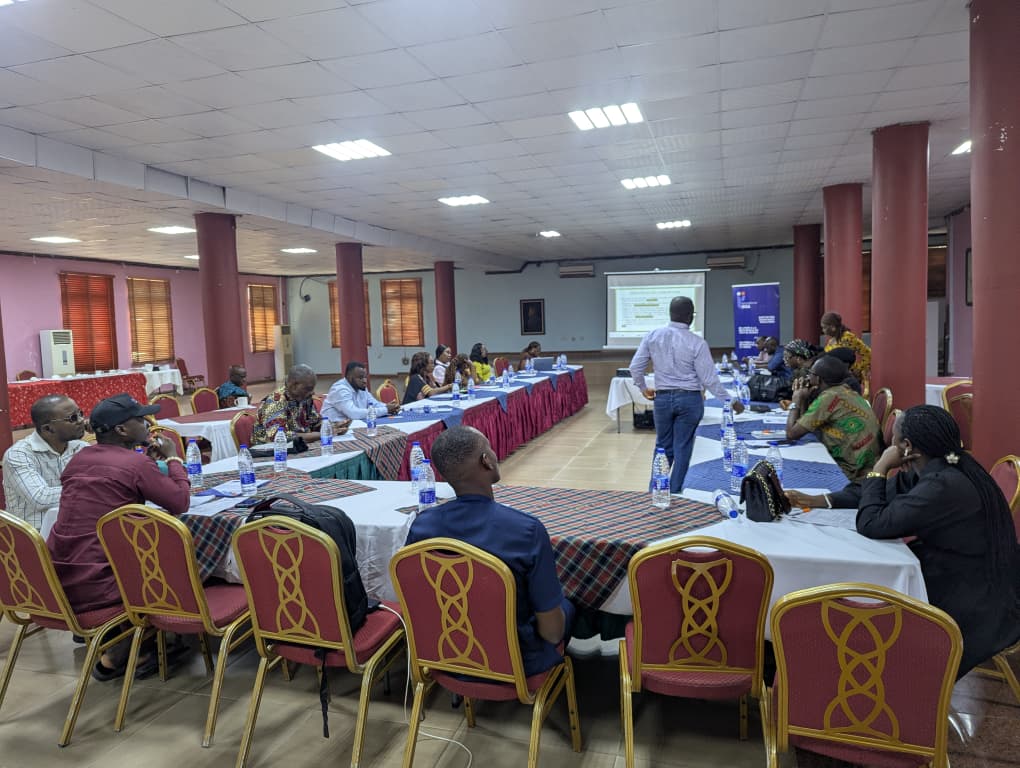
“The responsibility of the media and CSOs is not to police, but to support the state in achieving best practices in procurement. That is why we have convened this session, which focuses on procurement principles in relation to anti-corruption and the standards we must embrace.
“The objective is to understand how anti-corruption principles apply to procurement reform and the best practices we should adopt,” she stated.
Onah further urged participants to take ownership of the process and provide continuous support to the Bureau, emphasizing that collaboration rather than confrontation will deliver better results.
“The CSOs and Media must support the Bureau by engaging constructively and offering corrections where necessary, instead of shying away. I expect you not to police, but to midwife the process so that best practices are achieved and RoLAC’s efforts on procurement reforms yield tangible results,” she said.
During his sessions, a facilitator from Mildrose Law Firm, Chinaka Chukwuma, took participants through the background to procurement reforms in Nigeria, monitoring, evaluation and corruption vulnerabilities in the system. Chukwuma said procurement remained one of the areas most prone to corruption due to structural weaknesses and political interference.
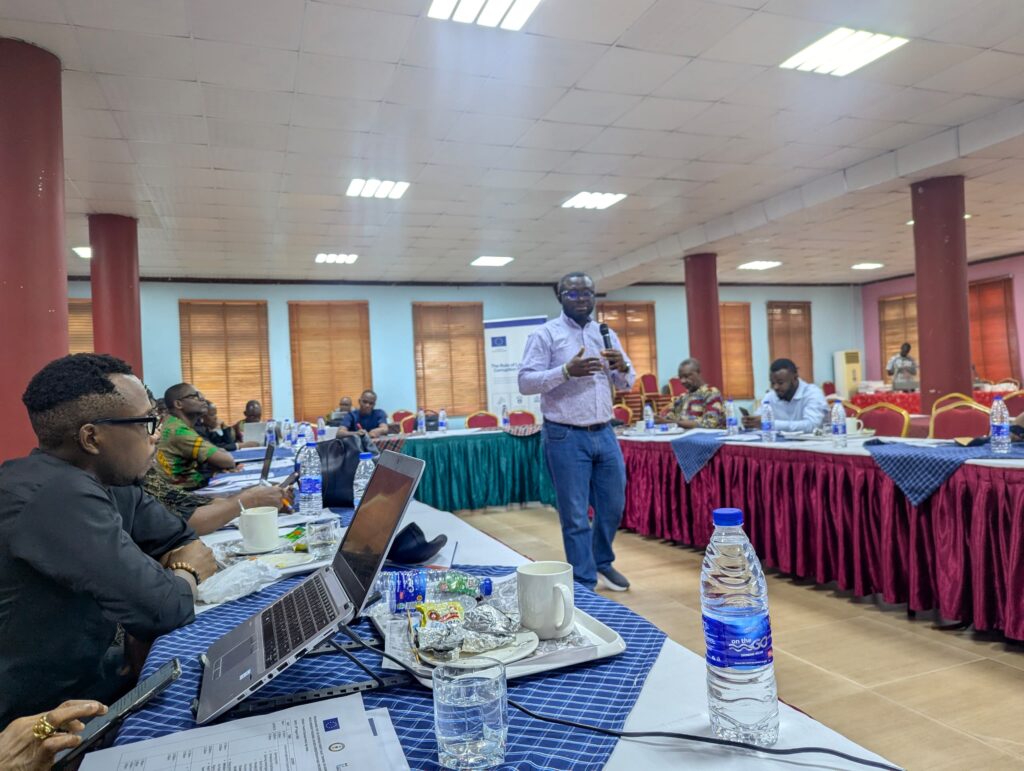
“As watchdogs, we need to support the initiatives of the state government and dynamic leadership of ANSBPP towards proactively mapping and mitigating the corruption vulnerability threats in Anambra State’s procurement system. You must build a network or affiliation,” he urged.
He listed key factors that make procurement susceptible to abuse to include lack of commercial orientation in government departments, discretion, and poor access to information.
“Why procurement is vulnerable to corruption are: Government departments responsible for procurement, also called procuring entities, are noncommercial by nature. Discretions, uncertainty and information asymmetry in the procurement process e.g application of restrictive tendering processes/direct labour and skewed evaluation criteria,” Chukwuma said.
He added: “Public procurement activities tied to political policies and politics, often misused for political purposes. Difficulty in determining market prices for the purchase of nonstandard products or services that cover a period of several years.”
The legal practitioner further identified pressure, opportunity, rationalization and capability as enablers of procurement corruption, warning that the consequences go beyond financial loss.
He noted that the fallout includes poor delivery of government programmes, increased public indebtedness, deterioration of social infrastructure and inefficient allocation of scarce public resources.
Chukwuma recommended preventive strategies such as transparency and public notices, continuous training of procurement personnel, effective internal and external controls, proactive vulnerability studies, reporting of red flags, appropriate regulation and sanctions, multidisciplinary investigations, and stronger cooperation among relevant institutions.
He urged CSOs, the media, legal practitiones, and other stakeholders to join forces to track procurement processes and ensure accountability in governance.
At the end of the session, participants developed an action plan as a direct outcome, aimed at strengthening collaboration between the Bureau, CSOs and the media in monitoring procurement activities in the state.