
Lagos Govt calls for calm following persistent rainfalls, flash floods
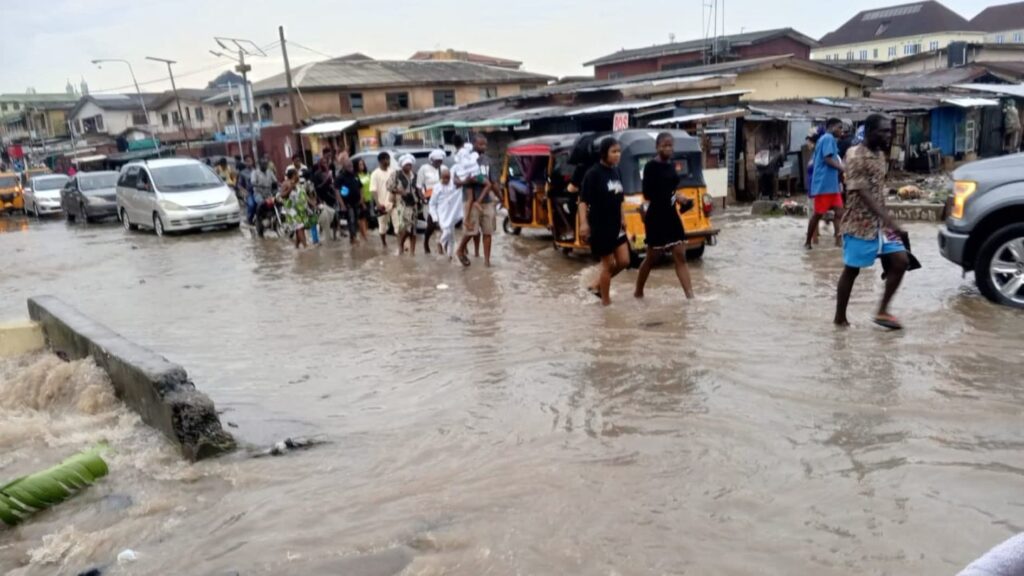
The Lagos State Government on Tuesday called for calm and understanding from residents following the flash flooding experienced in many parts of the State over the last two weeks, with the Governor, Babajide Sanwo-Olu, approving the immediate dredging and maintenance of 28 additional primary channels across the state.
Speaking against the backdrop of the downpours which caused flash flooding in many communities, the Lagos State Commissioner for the Environment and Water Resources, Tokunbo Wahab, said the rainfalls were an extreme weather event that produced an unusually high volume of water within a short period, overwhelming drainage channels in some locations and resulting in temporary flooding across parts of Victoria Island, Lekki, Ikeja, Gbagada, Mushin, Mafoluku and several other areas.
In a statement, the Director of Public Affairs at the ministry, Kunle Adeshina, quoted Wahab as saying that the incident was not peculiar to Lagos, as similar heavy rainfalls also affected other African Countries on the same day, even in North America, resulting in flooding across some cities. He said that while Lagos and these cities have coastal and hydraulic characteristics, Lagos presents a much more complex hydrological system due to its extensive network of lagoons, tidal water bodies, rivers and creeks, as well as significantly higher rainfall intensity.
The commissioner explained that the interaction between the Atlantic Ocean, Lagos Lagoon and numerous rivers and creeks, particularly during periods of high tide, naturally slows the discharge of stormwater into the sea, resulting in temporary inundation in some low-lying areas whenever exceptionally heavy rainfall occurs.
Wahab assured residents that the Lagos State Government remains fully on top of the situation through continuous monitoring of drainage infrastructure, flood-prone locations and other critical water channels, adding that emergency response agencies have remained on the ground to ensure that floodwaters recede as quickly as weather conditions permit while providing support where necessary.