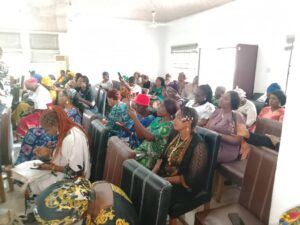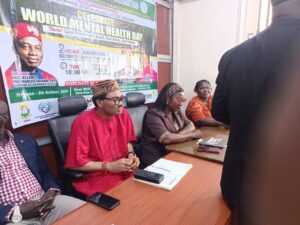
Jhpiego Trains Health Stakeholders on Social and Behaviour Change Strategies to Improve Community Health in Anambra
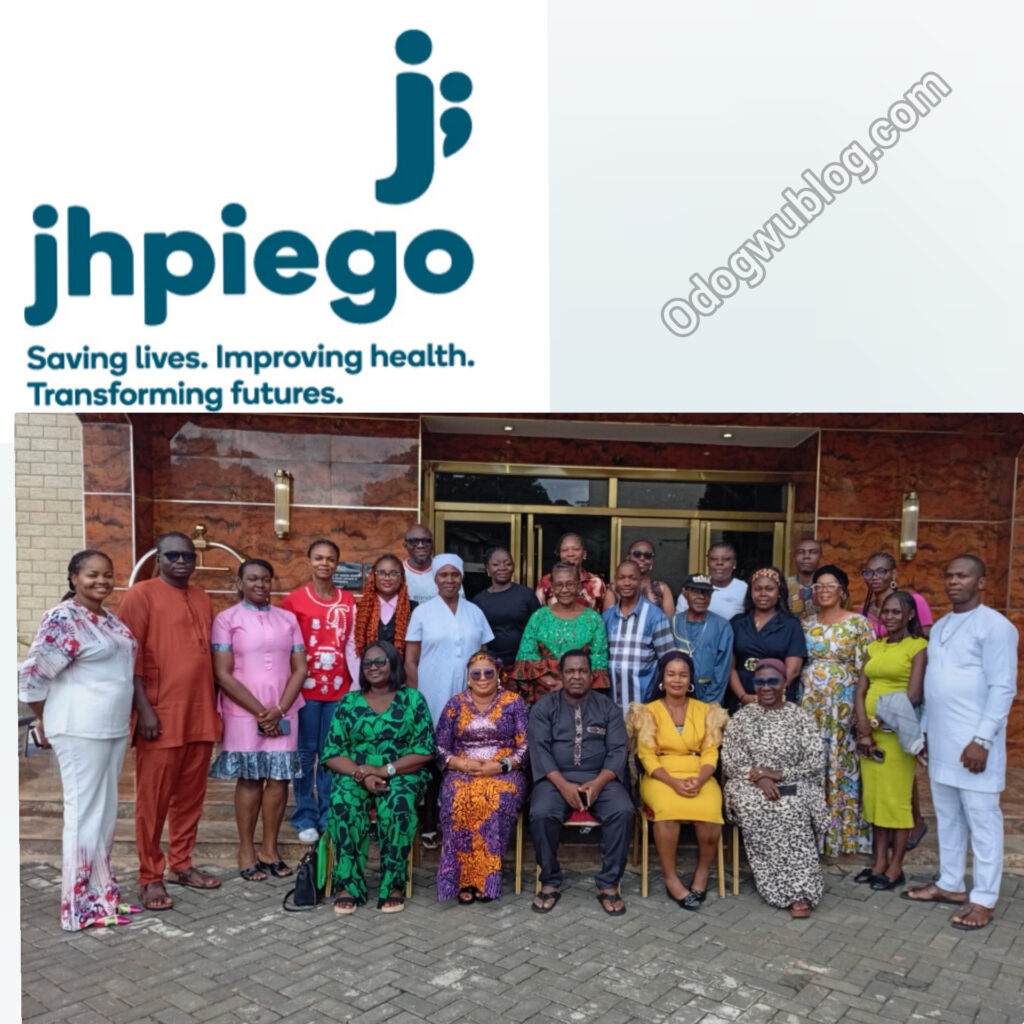
“Lasting change begins when people do more than hear a message—they understand it, believe it, and act on it.
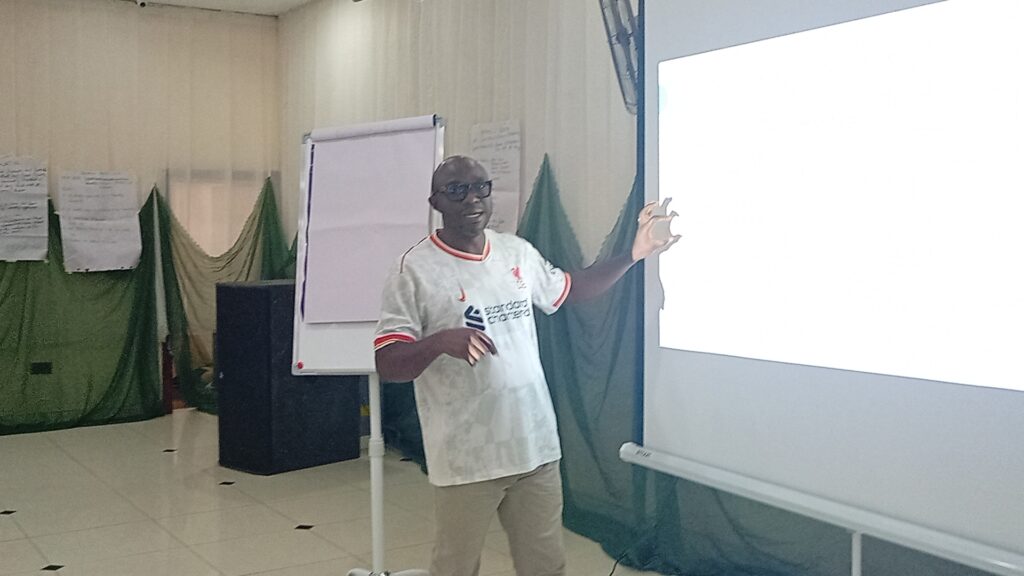
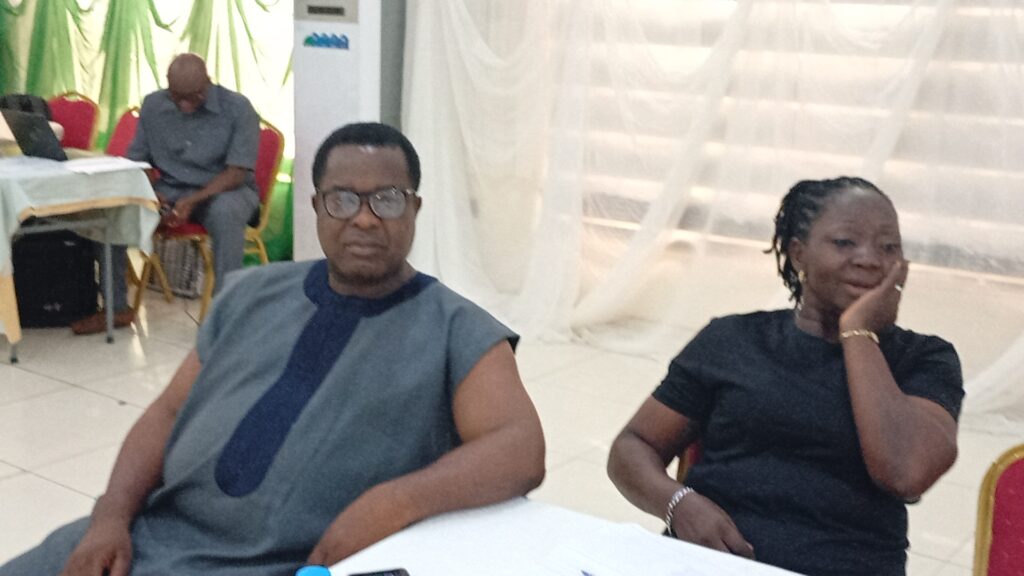
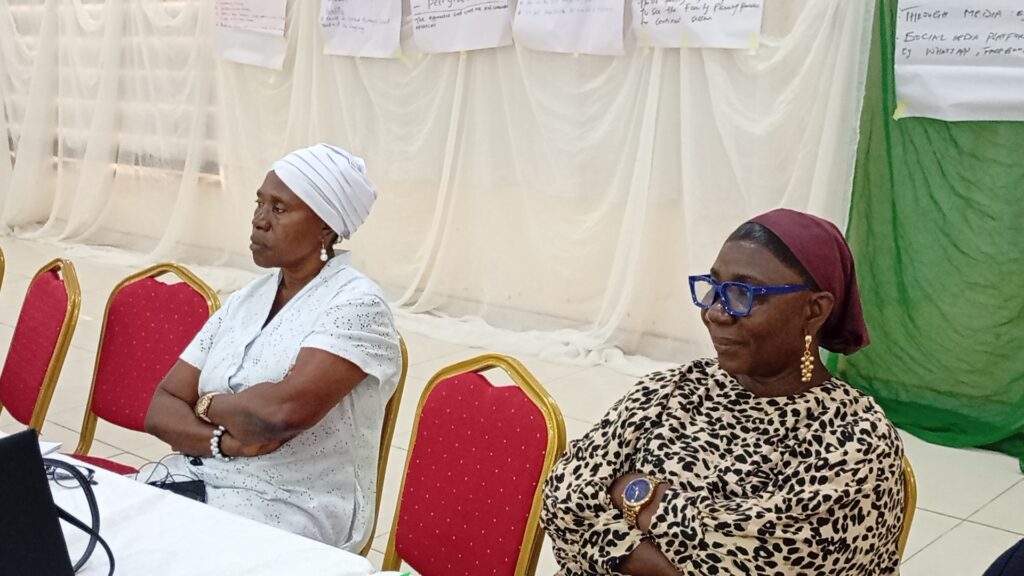
“As part of efforts to strengthen community health systems and promote sustainable behaviour change, Jhpiego successfully conducted a three-day Social and Behaviour Change (SBC) Training for health stakeholders and community-based organisations from June 25 to 27, 2026, in Nnewi, Nnewi North Local Government Area of Anambra State.
The training formed part of Jhpiego’s broader mission to improve health outcomes in developing countries through evidence-based behaviour change programming, implemented in collaboration with community-based organisations, Ministries of Health, and other global health partners.
The intensive capacity-building programme brought together experienced facilitators from various health organisations, who equipped participants with practical knowledge and skills required to design, implement, monitor, and evaluate effective behaviour change interventions capable of delivering lasting improvements in community health.
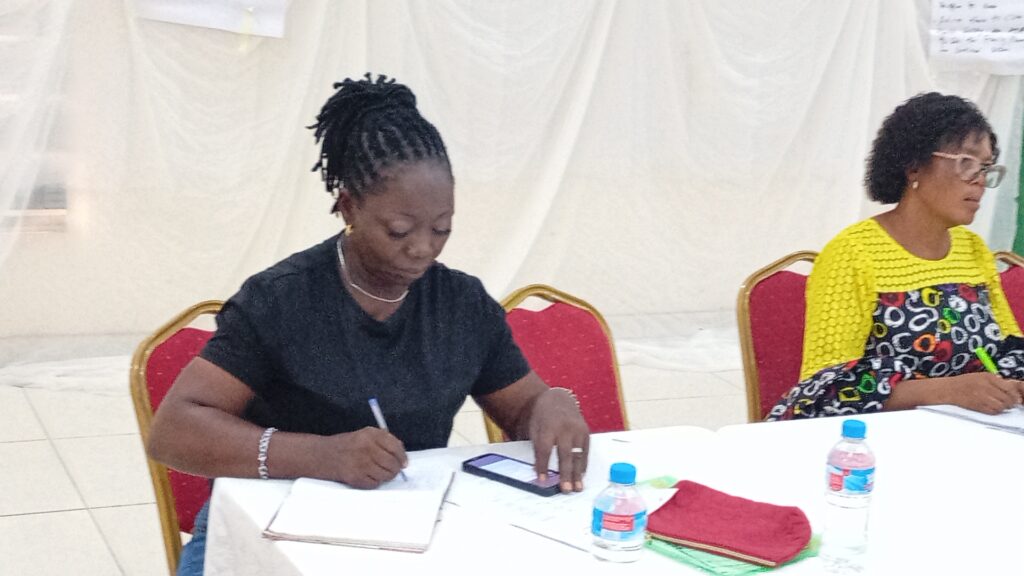
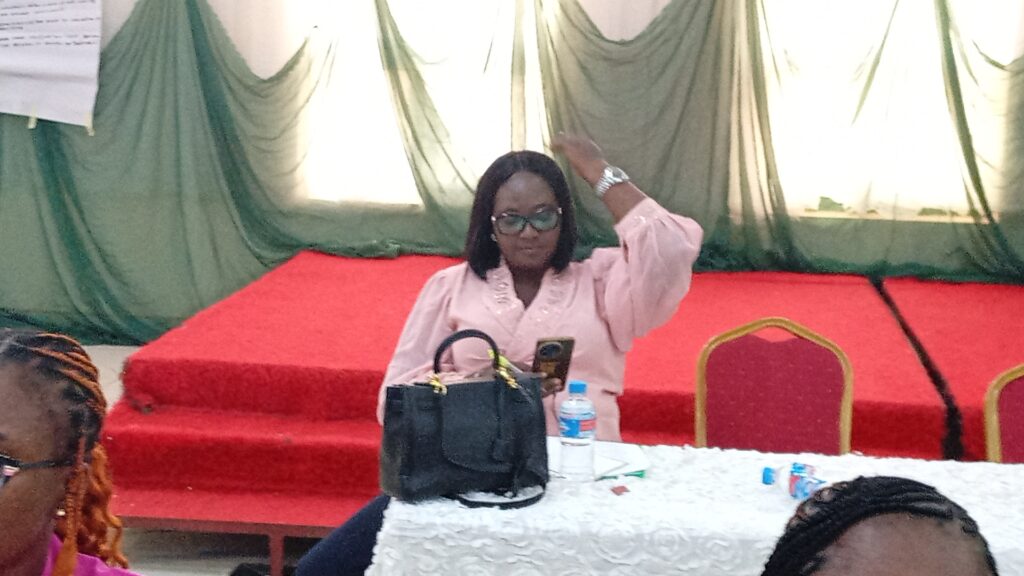
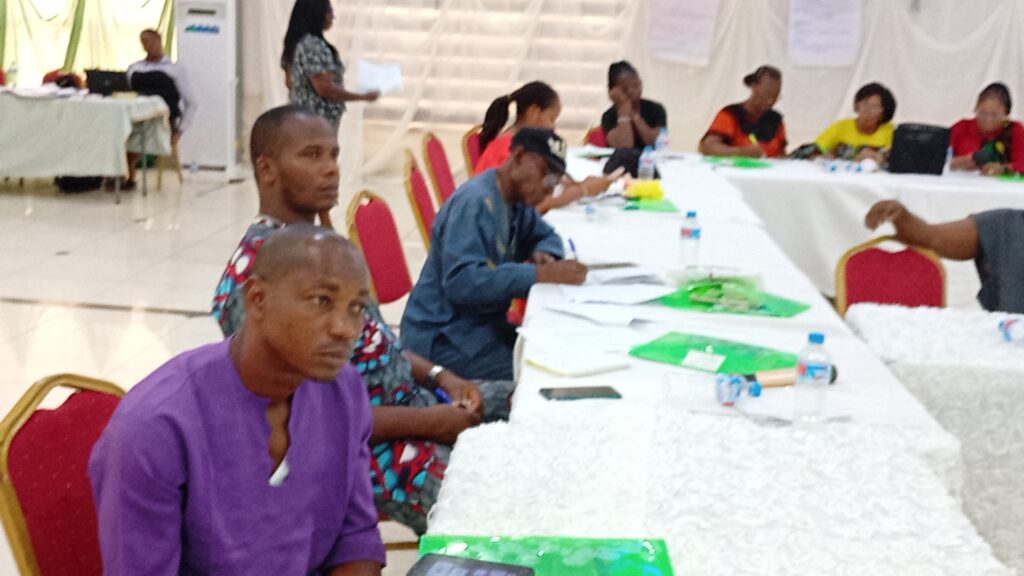
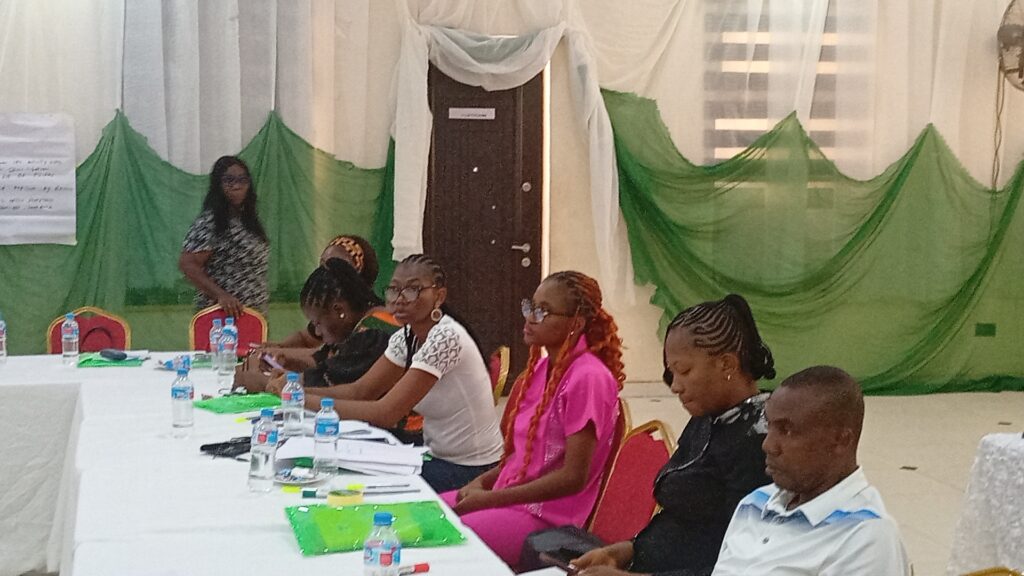
Unlike traditional information dissemination approaches that focus mainly on creating awareness, the facilitators demonstrated how Social and Behaviour Change (SBC) interventions address the underlying social, cultural, economic, and structural factors that influence people’s decisions and health practices. Participants were guided on strategies for promoting positive behaviours relating to Sexual and Reproductive Health and Rights (SRHR) and Communicable Diseases (CD) through evidence-based community engagement.
The training featured intensive lectures, practical demonstrations, group exercises, issue-based discussions, case studies, and interactive question-and-answer sessions designed to deepen participants’ understanding and strengthen their ability to apply SBC principles in real-life community settings.
The programme commenced with an introductory session where participants and facilitators acquainted themselves by sharing their names, professional backgrounds, and areas of responsibility. The session was coordinated by the Jhpiego Anambra State Lead, Dr. Amaechi Okafor, who welcomed participants and outlined the objectives of the training.
Before the commencement of technical sessions, Ms. Adaobi Eziuzo, Community Engagement Officer and Training Activity Manager, conducted a pre-test to assess participants’ baseline knowledge. The assessment was designed to measure existing understanding of Social and Behaviour Change concepts and provide a benchmark for evaluating learning outcomes at the end of the programme.
The first technical session, facilitated by Dr. Amaechi Okafor, focused on “SRHR-CD Project Overview and Priority Behaviours.” He provided participants with a comprehensive overview of the project’s goals, expected outcomes, and priority health behaviours targeted under the intervention. The session established a shared understanding of the project’s direction and emphasised the importance of coordinated community action in improving health outcomes.
Speaking on “From Information, Education and Communication (IEC) to Social and Behaviour Change (SBC),” Dr. Ifeyinwa Echezona explained the fundamental differences between conventional awareness campaigns and behaviour change programming. She noted that while Information, Education and Communication (IEC) strategies primarily provide knowledge, Social and Behaviour Change approaches go further by addressing beliefs, attitudes, social norms, and environmental influences that determine human behaviour. She stressed that SBC remains a more sustainable and effective strategy for achieving long-term improvements in health practices.
Participants were also taken through “Barriers to SRHR-CD Uptake” by Mrs. Uju Onwuegbuzina, who identified the numerous obstacles preventing individuals and communities from accessing and utilising essential health services. These barriers included misinformation, harmful cultural beliefs, stigma, gender inequality, financial constraints, limited access to healthcare facilities, and inadequate community support systems. She encouraged participants to design interventions that respond directly to these realities within their communities.
In another session, Mr. Donald of the National AIDS and STIs Control Programme (NASCP) facilitated discussions on “Understanding Behaviour and Influence.” He examined the factors that shape individual and community behaviours, including personal beliefs, family influences, peer pressure, cultural expectations, religious values, media exposure, and environmental conditions. Participants also learned practical behaviour-mapping techniques that can be used to identify drivers of behaviour before designing effective interventions.
On Integrated SRHR-CD Messaging, Mrs. Ezinwanne Nwankwo trained participants on developing clear, consistent, and audience-focused health messages that combine Sexual and Reproductive Health and Rights with Communicable Disease prevention. She emphasised the importance of crafting simple, culturally appropriate, and action-oriented messages capable of addressing multiple health issues without creating confusion among target audiences.
Facilitating the session on “Communication Channels and Audience Segmentation,” Mrs. Gloria Ogadimma highlighted the importance of selecting appropriate communication platforms based on the characteristics of different audiences. She discussed the effective use of interpersonal communication, community meetings, traditional institutions, faith-based organisations, mass media, and digital platforms in disseminating integrated SRHR-CD messages. She further stressed that audience segmentation enables health communicators to tailor messages that resonate with the unique needs, beliefs, and experiences of different population groups.
Addressing one of the major challenges confronting public health communication, Dr. Ifeyinwa Echezona facilitated a session on “Addressing Myths and Misinformation.” She identified common misconceptions surrounding Sexual and Reproductive Health and Rights as well as communicable diseases, explaining how false information often discourages people from seeking appropriate healthcare services. Participants were equipped with practical communication techniques, fact-checking strategies, and community engagement skills necessary to counter misinformation, build public trust, and promote informed decision-making.
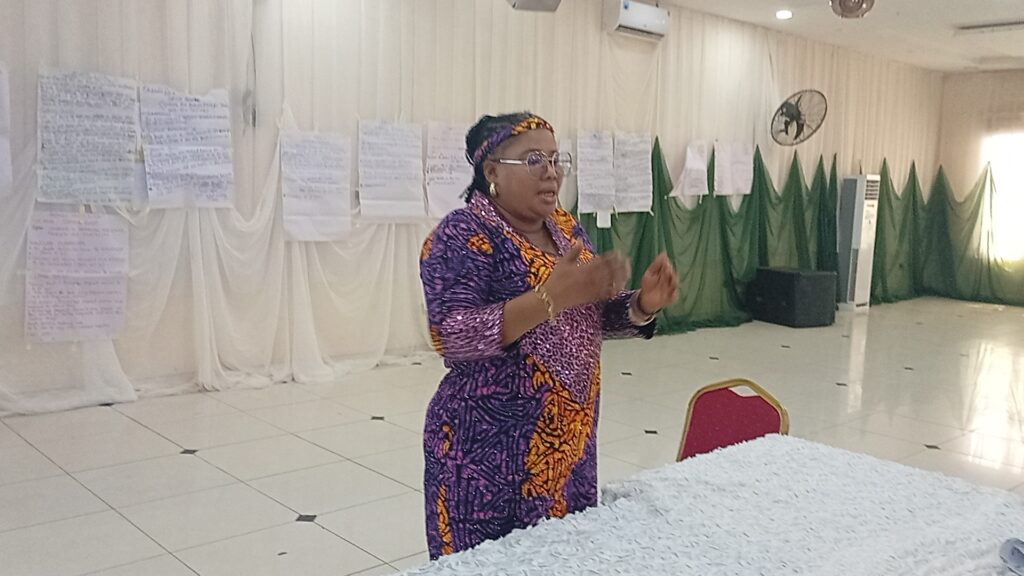
Throughout the three-day programme, facilitator-led presentations were complemented by practical exercises, simulations, group work, and problem-solving sessions, allowing participants to translate classroom knowledge into practical community interventions. The interactive learning approach ensured that participants gained hands-on experience in designing behaviour change strategies suitable for diverse community settings.
The training reaffirmed Jhpiego’s commitment to building a network of competent Social and Behaviour Change practitioners capable of designing evidence-based interventions that produce measurable, long-term improvements in community health, rather than short-lived awareness campaigns.
Founded in 1973 as an international non-profit affiliate of Johns Hopkins University, Jhpiego has remained a global leader in maternal and child health, infectious disease control, reproductive health, and health systems strengthening. The organisation established its presence in Nigeria in 1979, beginning with family planning and reproductive health training programmes before expanding its interventions across several critical health sectors through strong partnerships with government institutions and local communities.
In Anambra State, Jhpiego currently implements health programmes across Aguata, Idemili South, and Ogbaru Local Government Areas.
In Aguata, the supported Primary Health Care (PHC) facilities include Aku PHC, Ezinifite PHC, Ula Ekwulobia PHC, Awalasi Uga PHC, and Onyeachina PHC.
In Idemili South, Jhpiego supports Alor PHC, Ebenesi PHC, Divine Prudence PHC, Oba I PHC, and Oba II PHC.
In Ogbaru, the organisation works with Odoekpe PHC, Ogbakuba PHC, GB Blessed Maternity, Odoekpe, and Okpoko I and Okpoko II Primary Health Care Centres, further strengthening access to quality healthcare services across the state.
The successful conclusion of the training marks another significant step towards building healthier communities through evidence-based communication, community participation, and sustainable behaviour change interventions.