Hypertension: Causes, Molecular Pathophysiology, Clinical Consequences, and Integrative Management Approaches
By Livy-Elcon Emereonye
Abstract
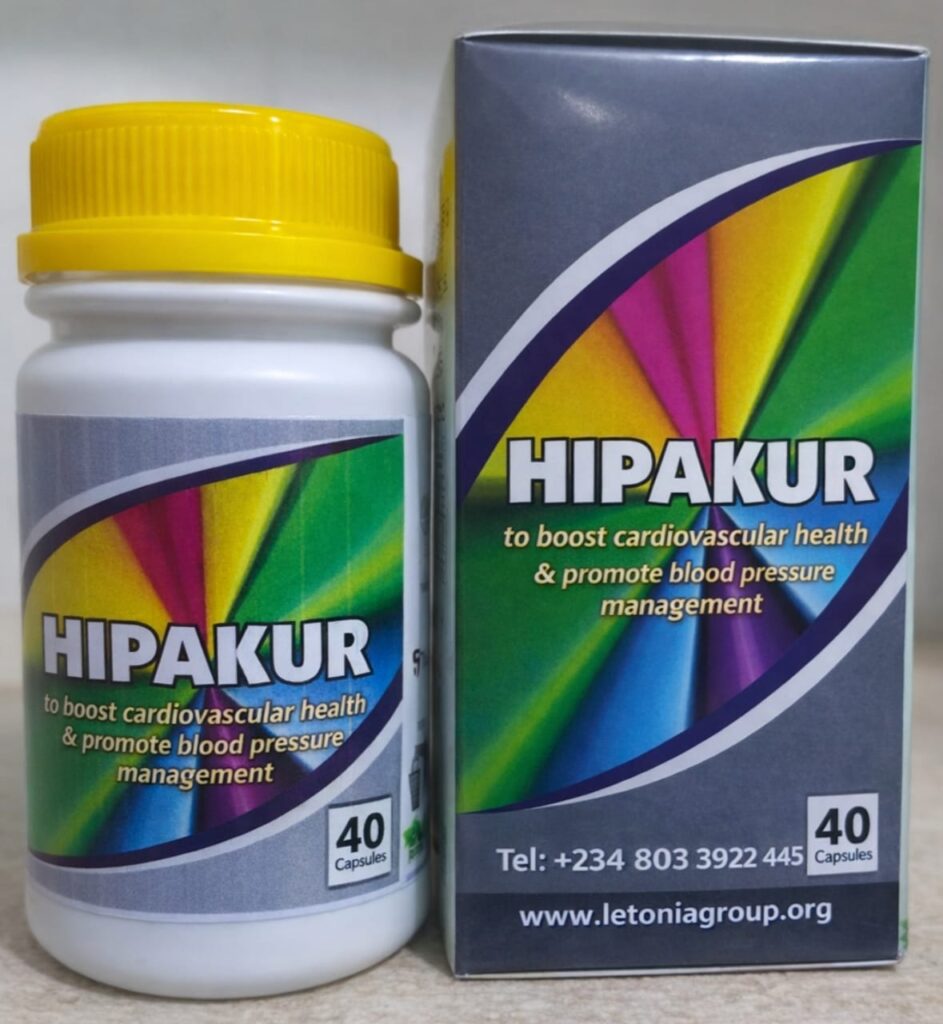
Hypertension is a major global public health challenge and a leading contributor to cardiovascular morbidity and mortality. Its prevalence continues to rise particularly in low- and middle-income countries due to lifestyle transitions, urbanization, and metabolic risk factors. This article reviews the etiological determinants of hypertension, its underlying molecular mechanisms, systemic consequences, and current management strategies. Emphasis is placed on integrative approaches that combine conventional pharmacotherapy with evidence-based phytotherapeutics. A special focus is given to Hipakur® Capsules, a herbal cardiovascular health product by Letonia Int’l Ltd, highlighting its mechanistic potential in supporting blood pressure regulation and vascular protection. The review supports the adoption of comprehensive lifestyle medicine and natural bioactive interventions as essential components of sustainable hypertension management.
Introduction
Hypertension, commonly referred to as high blood pressure, is a chronic cardiovascular disorder characterized by persistent elevation of arterial pressure beyond normal physiological levels. According to the World Health Organization, blood pressure values of 140/90 mmHg or higher are widely used for diagnosis in many clinical settings, while newer guidelines recognize 130/80 mmHg as the threshold for increased cardiovascular risk. Hypertension is responsible for over ten million deaths annually and is a major risk factor for stroke, myocardial infarction, heart failure, and renal disease.
The burden of hypertension is rapidly increasing across sub-Saharan Africa, including Nigeria, due to urban dietary changes, reduced physical activity, psychosocial stress, obesity, and inadequate preventive healthcare. Despite the availability of effective pharmacological treatments, control rates remain low, underscoring the need for holistic and culturally adaptable management approaches.
Causes and Risk Factors of Hypertension
Hypertension develops through complex interactions between genetic susceptibility and environmental influences. The majority of cases are classified as primary or essential hypertension, in which no single causative disease is identified. Instead, sustained elevation of blood pressure arises from high sodium intake, poor dietary quality, obesity, insulin resistance, sedentary lifestyles, chronic stress, excessive alcohol consumption, and inherited vascular traits.
Genetic studies reveal multiple polymorphisms affecting renal sodium handling, sympathetic nervous system activity, endothelial function, and hormonal regulation, all contributing to long-term blood pressure elevation.
Secondary hypertension accounts for a smaller proportion of cases and results from identifiable conditions such as chronic kidney disease, endocrine disorders including hyperaldosteronism and thyroid abnormalities, obstructive sleep apnea, and medication-induced vascular effects.
Molecular and Cellular Mechanisms Underlying Hypertension
The development and progression of hypertension are driven by interconnected molecular pathways that influence vascular tone, fluid balance, and inflammatory responses.
One of the central regulatory systems is the renin–angiotensin–aldosterone system. Excessive activation of this pathway leads to increased production of angiotensin II, a potent vasoconstrictor that narrows blood vessels, stimulates aldosterone-mediated sodium and water retention, promotes vascular smooth muscle proliferation, and enhances oxidative stress. These combined effects raise systemic vascular resistance and blood volume, sustaining elevated blood pressure.
Endothelial dysfunction is another critical mechanism. The vascular endothelium normally releases nitric oxide, which maintains vessel relaxation and inhibits inflammation. In hypertensive states, oxidative stress reduces nitric oxide availability while increasing pro-inflammatory cytokines and adhesion molecules. This shift promotes arterial stiffness, impaired vasodilation, and accelerated atherosclerosis.
Sympathetic nervous system hyperactivity also plays a major role by increasing heart rate, cardiac output, and peripheral vascular resistance. Chronic stress, obesity, and metabolic disorders further stimulate sympathetic overdrive, reinforcing hypertensive cycles.
Oxidative stress and low-grade inflammation are now recognized as central drivers of vascular damage in hypertension. Excess reactive oxygen species generated through NADPH oxidase activation damage endothelial cells, amplify angiotensin signaling, and trigger inflammatory cascades that worsen vascular dysfunction.
Clinical Consequences of Uncontrolled Hypertension
Persistent elevation of blood pressure progressively damages target organs through mechanical stress and biochemical injury. Cardiovascular complications include left ventricular hypertrophy, coronary artery disease, heart failure, and aortic aneurysms. In the brain, hypertension is the leading cause of ischemic and hemorrhagic stroke and contributes significantly to vascular dementia and cognitive decline.
Renal involvement manifests as nephrosclerosis, proteinuria, and eventual chronic kidney failure. In the eyes, microvascular damage leads to hypertensive retinopathy and potential vision loss. These systemic effects highlight why hypertension is among the most destructive yet preventable chronic diseases.
Conventional Management Strategies
Lifestyle modification remains the foundation of hypertension control. Dietary approaches emphasizing reduced sodium intake, increased fruits and vegetables, whole grains, and healthy fats—such as the DASH and Mediterranean diets—demonstrate significant blood pressure reduction. Regular physical activity improves vascular elasticity, insulin sensitivity, and weight control, while stress management techniques lower sympathetic overactivity.
Pharmacological therapy is often necessary and includes diuretics, angiotensin-converting enzyme inhibitors, angiotensin receptor blockers, calcium channel blockers, and beta blockers. Although effective, long-term adherence challenges and medication side effects drive growing interest in complementary therapeutic strategies.
Role of Phytotherapeutics in Blood Pressure Regulation
Medicinal plants have been used for centuries to manage cardiovascular conditions and are now increasingly supported by scientific research. Many phytochemicals exert antihypertensive effects by inhibiting angiotensin-converting enzyme activity, enhancing nitric oxide production, reducing oxidative stress, improving lipid metabolism, and promoting mild diuresis.
Garlic has been shown to improve endothelial function and reduce systolic and diastolic blood pressure through nitric oxide release and RAAS modulation. Hibiscus demonstrates ACE-inhibitory and diuretic properties. Hawthorn improves myocardial contractility and vascular relaxation. Olive leaf polyphenols exhibit antioxidant and vasodilatory effects, while ginger and turmeric reduce inflammation contributing to vascular stiffness.
These natural agents provide complementary benefits when integrated with lifestyle and medical therapies.
Hipakur® Capsules and Cardiovascular Health Support
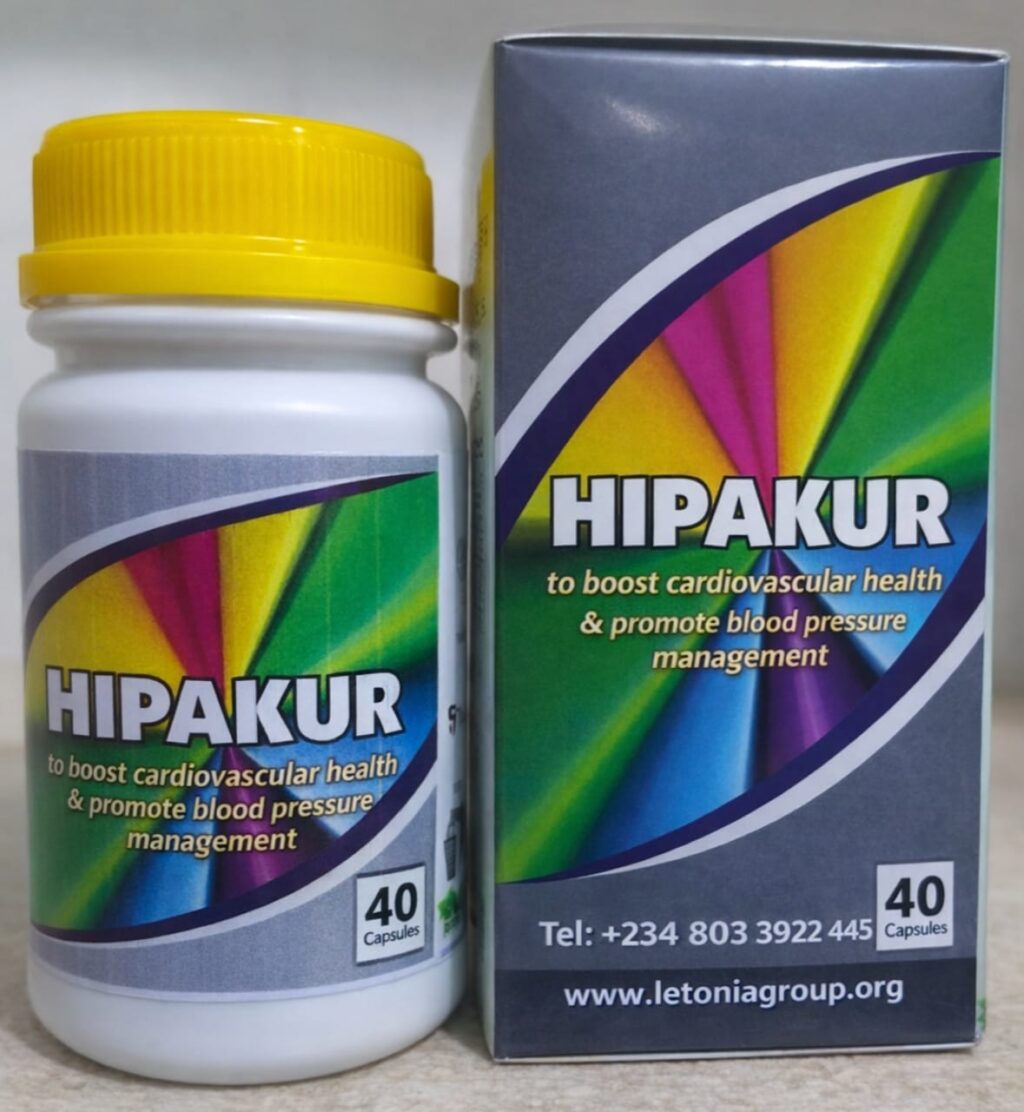
Hipakur® Capsules, a quality herbal formulation produced by Letonia Int’l Ltd, are designed to support cardiovascular wellness and promote healthy blood pressure regulation. The formulation integrates bioactive plant compounds traditionally and scientifically associated with vascular protection, antioxidant defense, and circulatory enhancement.
Through mechanisms such as nitric oxide pathway activation, free radical scavenging, modulation of the renin–angiotensin system, and improvement of lipid and glucose metabolism, Hipakur® contributes to reduced vascular resistance and improved arterial elasticity. These effects align with contemporary integrative cardiology strategies aimed at restoring endothelial balance and reducing chronic inflammation.
When used alongside healthy lifestyle practices and prescribed antihypertensive medications where necessary, Hipakur® Capsules represent a potent natural remedy for long-term cardiovascular health promotion.
Integrative Approach to Hypertension Management
Optimal hypertension control is achieved through a comprehensive model combining lifestyle modification, pharmacological therapy, patient education, and evidence-based natural interventions. This approach enhances adherence, minimizes complications, and addresses the underlying metabolic and inflammatory drivers of disease progression.
Community-level education, early screening programs, and culturally relevant dietary interventions are especially critical in African populations experiencing rapid lifestyle transitions.
Conclusion
Hypertension is a multifactorial chronic disease driven by complex molecular, genetic, and lifestyle factors that progressively impair vascular function and organ health. While conventional drug therapy remains essential, integrative management strategies incorporating dietary modification, physical activity, stress control, and validated phytotherapeutics offer superior long-term outcomes. Herbal cardiovascular support products such as Hipakur® Capsules provide promising benefits by targeting oxidative stress, endothelial dysfunction, and hormonal regulation pathways. A holistic, prevention-focused approach is essential to reducing the growing burden of hypertension in Nigeria and globally.
PS: Dr. Emereonye could be reached on: +234 803 3922 445.
References
Ataklte, F., Erqou, S., Kaptoge, S., Taye, B., Echouffo-Tcheugui, J. B., & Kengne, A. P. (2015). Burden of undiagnosed hypertension in sub-Saharan Africa. Hypertension, 65(2), 291–298.
Ehret, G. B., et al. (2016). Genetics of blood pressure regulation. Nature Reviews Genetics, 17(9), 523–536.
Förstermann, U., & Münzel, T. (2006). Endothelial nitric oxide synthase in vascular disease. Circulation, 113(13), 1708–1714.
Harrison, D. G., Coffman, T. M., & Wilcox, C. S. (2021). Pathophysiology of hypertension. Journal of the American College of Cardiology, 77(20), 2561–2578.
Mills, K. T., et al. (2020). Global disparities of hypertension prevalence. Nature Reviews Nephrology, 16, 223–237.
Santos, R. A. S., et al. (2018). The renin-angiotensin system. Physiological Reviews, 98(1), 505–553.
Serban, M. C., et al. (2019). Effects of herbal supplements on blood pressure. Phytotherapy Research, 33(3), 603–615.
World Health Organization. (2023). Global report on hypertension.