Ejiofor backs Asagba of Asaba’s demand for presidential apology over 1967 Asaba massacre
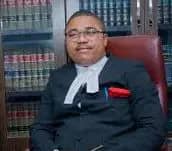
By Chukwudi Ebele
Human Rights Lawyer and Social Critic Sir Ifeanyichukwu Ejiofor Esq has urged the President of the Federal Republic of Nigeria, President Bola Tinubu to offer a presidential apology concerning the Asaba Massacre which took the lives of civilians in 1967.
In his article titled ‘ASABA MASSACRE: 59 YEARS ON, THE WOUNDS STILL BLEED — A NATION CANNOT HEAL BY PRETENDING TO FORGET’ , Ejiofor maintained that the story of Asaba must never be buried beneath the convenience of silence or the passage of time.
According to Ejiofor, On 7 October 1967, during the Nigerian Civil War, Asaba witnessed one of the darkest and most devastating genocide in human history. Fifty-nine years later, the tears may have dried on some faces, but the wounds remain painfully alive in the memory of a people whose innocence was shattered by unimaginable cruelty.
“They were not soldiers confronting an advancing army on the battlefield. They were ordinary, unarmed civilians—fathers, sons, brothers, young men, women and children, who came out in the hope that peace had finally returned. Some gathered in a procession, trusting that the arrival of Federal troops meant the restoration of peace and normalcy. Instead, men and boys were separated from their loved ones and brutally executed. Hundreds perished; historical estimates vary, but the enormity of the tragedy is beyond dispute.
Imagine a mother watching her husband and sons walk away, believing they would return, only to wait in vain. Imagine children growing up without fathers, wives condemned to widowhood, and families left to mourn loved ones whose lives were extinguished without mercy. Imagine a community forced to bury not merely its dead, but its hopes, dreams and sense of security.
The Asaba Massacre was not merely a tragedy of 1967; it was a wound inflicted upon the conscience of a nation.
Someone gave orders; others executed them. The precise chain of individual responsibility must be judged against the historical evidence. Yet, no dispute over the past should diminish the undeniable suffering of the victims or the moral obligation of the Nigerian state to acknowledge this atrocity.
Today, in the spirit of forgiveness and reconciliation, and in keeping with the declaration of “No Victor, No Vanquished” at the end of the Civil War, the people of Asaba are asking for something neither extravagant nor unreasonable: an unqualified public apology from a sitting President of the Federal Republic of Nigeria.
Through their revered traditional ruler, the Asagba of Asaba, HRM Prof. Epiphany Azinge, SAN, the community has made its position unmistakably clear: there can be no genuine closure or complete healing until a serving President publicly apologises for the massacre. General Yakubu Gowon has apologised in retirement, but the community seeks the solemn acknowledgement of the Nigerian state through its incumbent President.
Consider the national recognition accorded to Chief Moshood Kashimawo Olawale Abiola and the official recognition of 12 June as Democracy Day in honour of his struggle for democratic governance. If Nigeria can acknowledge historical injustice and immortalise a defining chapter in its democratic journey, why should a formal presidential apology to the innocent victims of Asaba be beyond reach?
The demand is not for revenge. It is a plea for truth, dignity and recognition. It is a call for the nation to look its painful history in the face and acknowledge the humanity of those whose lives were so cruelly cut short.
As an African proverb reminds us, “Until the lion learns to write, every story will glorify the hunter.” The story of Asaba must never be buried beneath the convenience of silence or the passage of time.
We cannot continue to move forward as though nothing happened. The greatest injustice to the dead and the living is to pretend that all is well when an unhealed wound continues to trouble the conscience of an entire community. Forgiveness may be offered, but it must never be demanded as a substitute for acknowledgement; reconciliation must not become another name for forgetting.
Asaba remembers its fallen sons and daughters. Nigeria must remember them, too. Their blood was shed on Nigerian soil, and their memory belongs to the history of our common nation.
Mr President, the people of Asaba are not asking you to rewrite history. They are asking you to acknowledge it. An unqualified presidential apology would not restore the dead, erase the trauma or undo the devastation of 1967. But it would affirm that their lives mattered, that their suffering has not been forgotten, and that the Nigerian state recognises its moral obligation to the bereaved community.
Let the government heed the counsel of the Asagba of Asaba. Let the nation choose the courage of acknowledgement over the comfort of silence.
May the souls of the innocent victims continue to rest in peace, and may their memory remain a solemn reminder that no national unity is worth the deliberate destruction of innocent lives.
“There will be no closure, there will be no healing until a sitting President—not an ex-President, but a sitting President—publicly apologises to us.”
— HRM Prof. Epiphany Azinge, SAN, Asagba of Asaba
From the going down of the sun until the morning, we shall remember them. May their memory never fade, and may justice, at last, find its voice,” said Ejiofor.