DO SOMETHING GOOD AND GO! The Two Constitutions of Nigeria: A Roadside Encounter on the Lagos-Benin Expressway by a motorist.
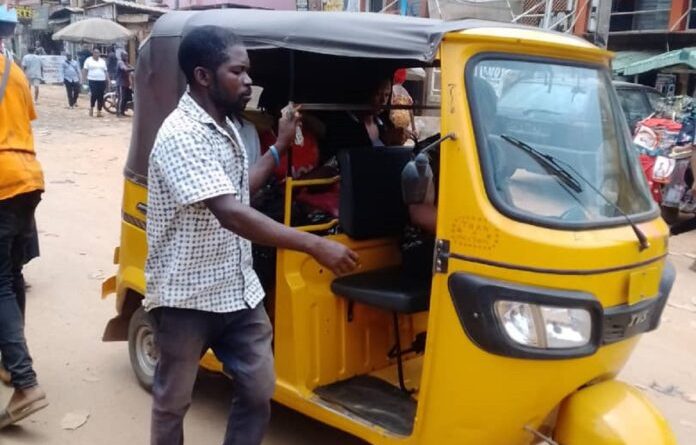
By Duru Agumba
“If you are someone else or Igbo, I will say park over there.” [Detained]
Those were the words of a Nigerian police officer to a motorist on the Lagos-Benin Expressway.
That single sentence is not an isolated incident. It is the daily creed. It is the excruciating, lived experience of the average Igbo man on Nigerian roads.
For Ndigbo, travelling from any part of Nigeria to the ancestral homeland in the Southeast is no longer a journey. It is a gauntlet.
From Ore to Asaba, from Asaba to Onitsha, and deep into the heartland of Igboland, there are checkpoints everywhere — Army, Police, Customs, NDLEA, Federal Road Safety, VIO — each one within sight of the next. And at every checkpoint, a courtroom where igbo tribe is already judged guilty.
Torture. Harassment. Humiliation. Extortion. Blackmail. Coercion.
Not because you broke the law. Not because your papers are incomplete. Simply because you are Igbo.
And the agents on the road no longer hide it. They announce their mission with pride, as if it were official duty. The uniform that should symbolize protection has become a tool for igbo ethnic profiling. It has become normalized.
One Country, Two Constitutions
We are told Nigeria operates one constitution. That is a lie we have lived with for 56 years.
In reality, there are two constitutions operating simultaneously in this country.
One constitution for other Nigerians.
And another constitution — unwritten but brutally enforced — for Ndigbo.
This second constitution was written in the aftermath of the civil war, 56 years ago, and it is still in force. It says an Igbo man must be reminded, at every opportunity, that he is hated, that he is a second-class citizen, that he must pay for being Igbo.
The authorities in Abuja pay lip service to “equal rights” and “One Nigeria.” They chant it on Independence Day. But they know, as we know, that it is not true. One Nigeria cannot exist where one tribe is deliberately targeted on its own roads, within the same country.
The Weapon That Wounded Its Maker
For 56 years, Nigeria has fashioned a weapon against the Igbo man. But here is the irony they refuse to see: that weapon is now tormenting Nigeria.
The policy of exclusion, the deliberate attempt to humiliate and frustrate Ndigbo, has not only failed to break the Igbo spirit — it has brought ruin upon the entire nation. It has brought Nigeria to its knees.
This is why Nigeria, which gained independence alongside countries like Malaysia, Indonesia and South Korea, cannot catch up with them. While others were building nations, Nigeria was busy perfecting the art of humiliating Ndigbo. The energy, the resources and the intellect that should have built roads, hospitals and industries were diverted to sustain inequality.
The quest to keep Ndigbo down has produced hardship and underdevelopment for the whole of Nigeria. And they know it.
But here is the secret they don’t understand: the Igbo man has accustomed himself to this hostility and is prospering in spite of it. He has turned every roadblock into a business lesson, every extortion into motivation to build again. While his predators think they are punishing him, they are wallowing in abject hardship, because a nation that hates its most industrious people can never prosper.
So I ask a simple question:
If Nigeria cannot accommodate Ndigbo and prosper, why not allow them freedom and prosper? Why not allow confederation and let everyone prosper in their own way?
You cannot hold a man down in a well without staying down in the well with him. Nigeria has held Ndigbo in that well for 56 years, and look at us — all of us are still in darkness.
It is time to end the two constitutions. It is time for justice, equity and true federalism. Or it is time to allow those who want to leave, to leave in peace.