Coalition tasks Anambra BPP to sanction MDAs violating procurement law
Lawrence Nwimo, Awka
A coalition of Civil Society Organisations and media groups in Anambra State has called on the Anambra State Bureau of Public Procurement (BPP) to strengthen its regulatory mandate and sanction Ministries, Departments and Agencies (MDAs), found to have breached public procurement regulations.
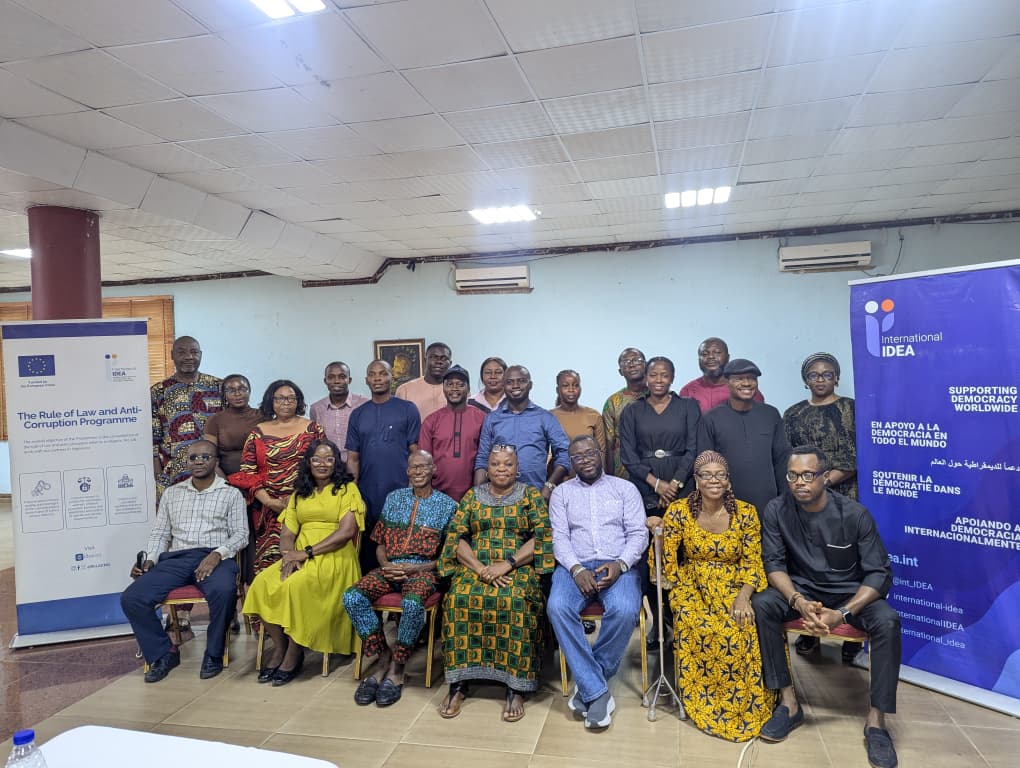
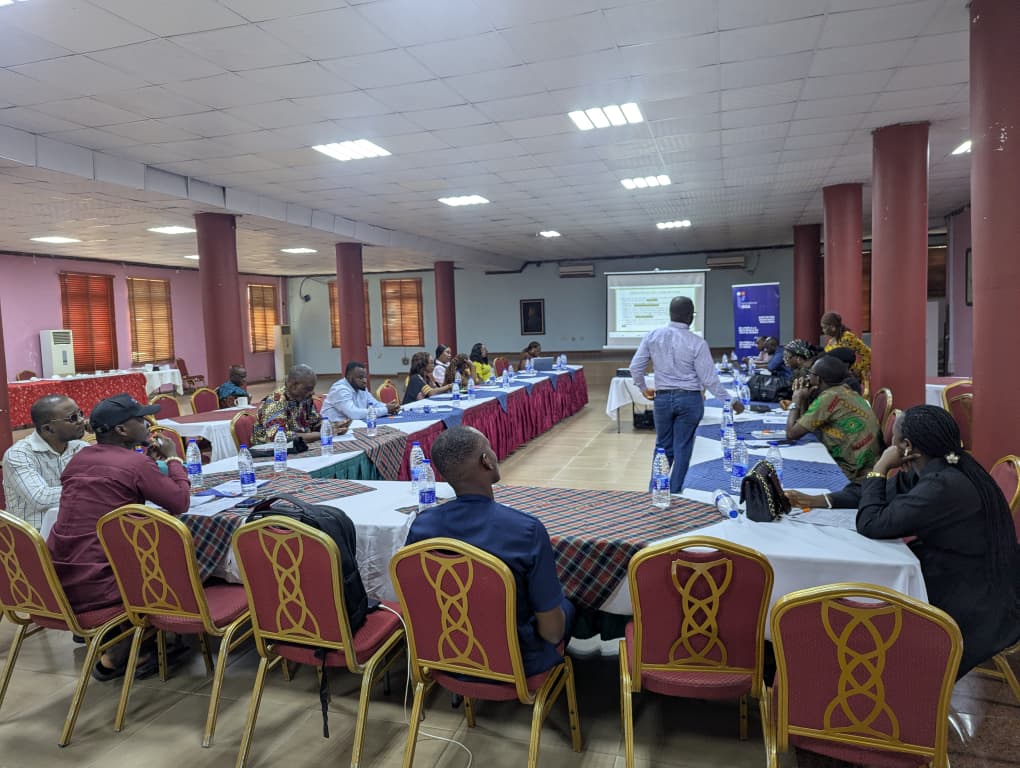
The demand was contained in a communique issued at the end of a one-day capacity-building on public procurement organised under the Rule of Law and Anti-Corruption Programme, RoLAC II, with support from International IDEA. The training was held last week in Awka, Anambra State capital.
The group, CSOs/Media Accountability and Anti-Corruption Initiative, said effective regulation, monitoring and compliance are critical to curbing corruption, promoting value for money and restoring public confidence in the management of public resources.
In the communique signed by 18 CSOs and media organisations, the coalition noted that a transparent and accountable procurement system remains fundamental to preventing corruption and ensuring that public resources are deployed in the best interests of citizens.
Specifically, the group urged the BPP to “provide clear and consistent guidance to procuring entities, strengthen monitoring and compliance mechanisms, and take appropriate action, in accordance with the law, where violations or breaches of procurement regulations are established.”
The coalition also called on all MDAs and Local Government Areas to conduct procurement processes in strict compliance with the applicable public procurement law, regulations and approved thresholds.
To enhance public scrutiny, the group further demanded proactive disclosure of procurement information by MDAs, including procurement plans, invitations to tender, bidding opportunities and contract awards, through the Anambra State e-Procurement Portal and other appropriate platforms.
“Such disclosure will enable citizens, CSOs, the media and other stakeholders to effectively monitor public procurement processes and promote accountability in the utilisation of public resources,” the communique stated.
The CSOs also advocated the immediate establishment and effective functioning of the Council on Public Procurement, with adequate powers and resources to provide policy direction and coordination of procurement activities across the state.
On legislative oversight, the coalition tasked the State House of Assembly and Local Government Legislative Councils to scrutinise procurement activities and ensure that public funds are spent in line with approved budgets and procurement procedures.
The group further called for the institutionalised participation of CSOs as observers in procurement processes, with timely access to relevant information to strengthen independent citizen oversight.
As part of its commitment, the coalition pledged to monitor procurement processes and government projects, promote citizens’ awareness of procurement rights, track the functionality of the e-procurement portal, and document procurement-related concerns through lawful channels.
The coalition commended Dr. Josephine Onah, State Coordinator of RoLAC II, and the facilitator, Barr. Chukwuma Chinaka, for organising the training.
Signatories to the communique include BudgIT Tracker, CIRDDOC Nigeria, Nigeria Bar Association, Creative Minds Center for Youth and Community Development, Ogene 98.3FM, Justice Development and Peace Caritas, Onitsha, and 12 other organisations.