Civil Society Groups Scrutinize Anambra Healthcare Budget, Seek Increased Funding
Lawrence Ndubeze, Awka
Civil society groups in Anambra State have raised concerns over what they described as poor funding of the healthcare sector in State
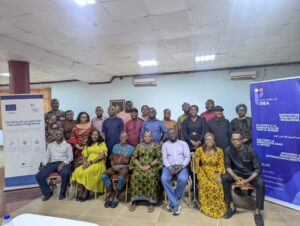
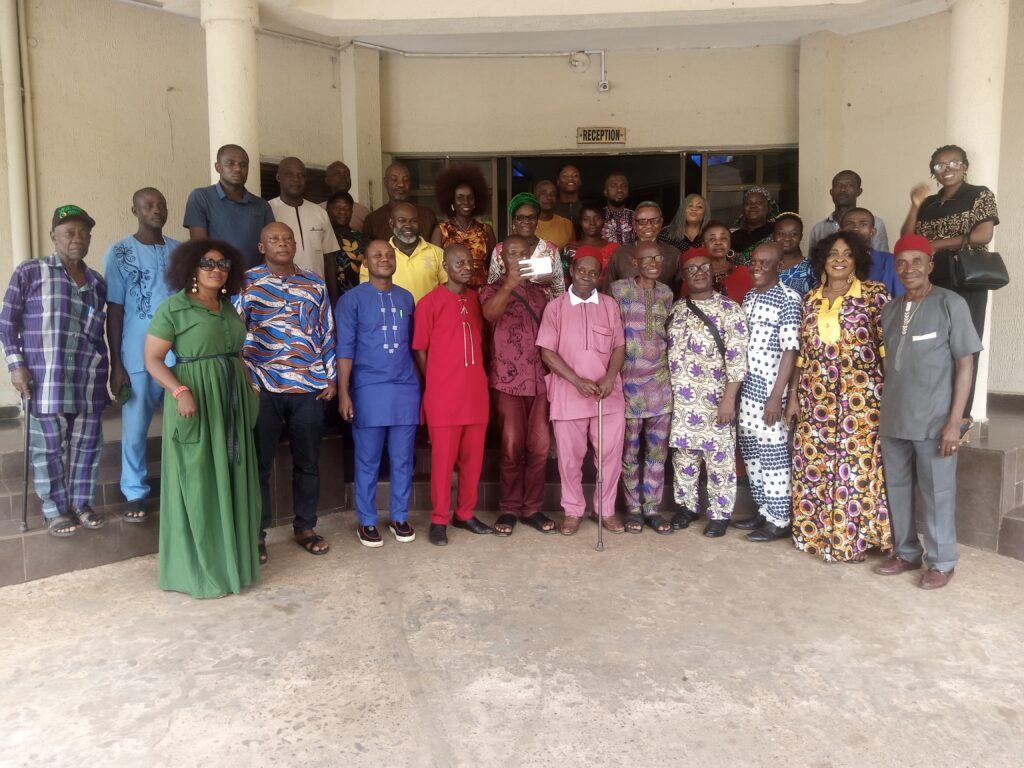
The concerns were raised in Awka, during a stakeholders meeting that is part of the Strengthening Public Accountability for Results and Knowledge (SPARK II) project in the state.
The project is implemented by Civil Rights Concern (CRC), alongside other network of partners including Justice Development and Peace Caritas (JDPC) Nnewi, and Community Empowerment Network (COMEN), with support from the International Budget Partnership (IBP).
Executive Director of CRC, Mr Okey Onyeka, who addressed journalists after the meeting, said the state has fallen short of the Abuja declaration of allocating 15% of the state budget to the health sector.
He said stakeholders observed that the state government has not been consistent in funding healthcare programs, with only 60 percent of the healthcare budget funded in 2024.
He also noted that in the last couple of years, the primary healthcare centers (PHCs) lack sufficient funds to operate effectively, relying heavily on the Basic Healthcare Provision Fund (BHCPF) from the Federal Government.
According to him, “The releases made to the healthcare sector really falls far short of Abuja declaration of 15 percent of the state budget to the health sector to fund the primary health activities.

“The PHCs have no fund to work with except the basic healthcare provision fund from the Federal government. These fund is made to support the PHCs to be more effective in delivery of healthcare services.
“It is only in 2024 that the state government was able to fund up to 60 percent of the healthcare budget. Previous years, they were quite less.
“Even this year, 2025, for the first two quarters that fund has been released, no intervention has been taken except the overhead and personnel costs.
“We are hoping that the third quarter that the government will soon release, there would at least be an intervention.
“We believe that between this October and December, there should be at least an intervention in the primary healthcare sector.”
Onyeka stated that stakeholders in the SPARK project are reviewing the various budget items in the primary healthcare budget to determine which ones were funded.
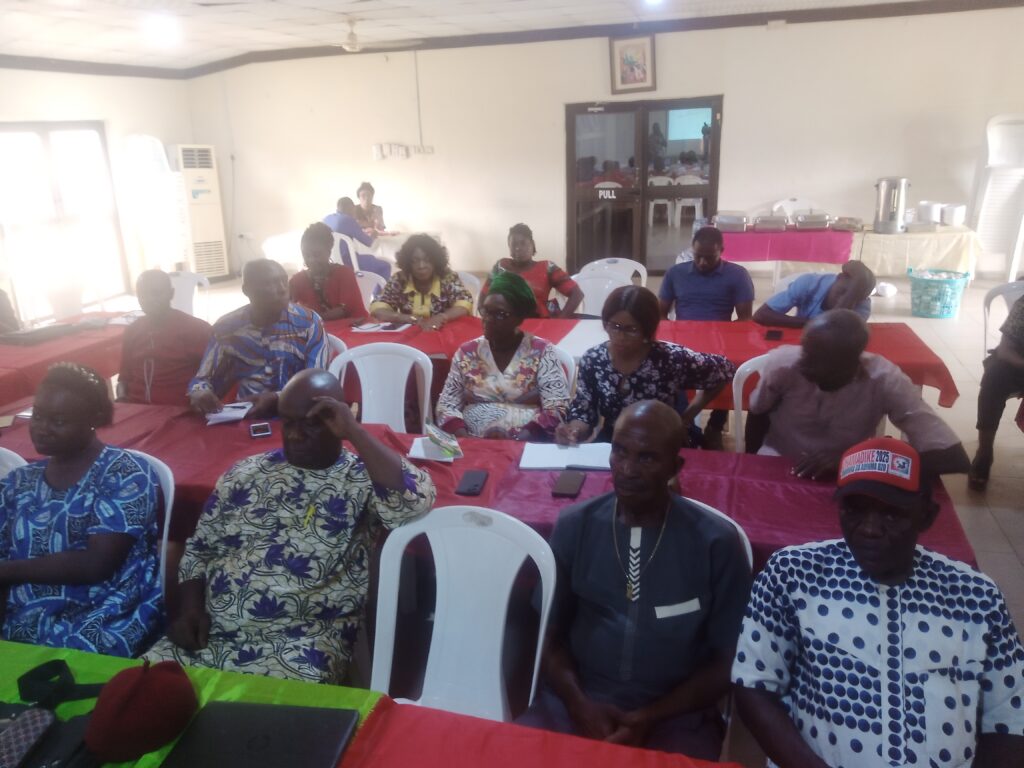
“We have observed that the government’s interventions in the budgeted items are inadequate, prompting us to question the lack of funding.
Specifically, we are trying to understand why the drug and equipment budgets were not funded. After consulting with stakeholders, we will use their input to inform our advocacy efforts with health sector stakeholders and the government.
“We want the government to prioritize healthcare funding and ensure effective budget allocation.
“Specifically, we want to understand why certain budget items, such as equipment and capacity building for healthcare stakeholders, are not funded.
“We also need clarity on whether the state’s financial constraints are hindering healthcare funding.”
Onyeka reminded that primary healthcare and maternal healthcare funding are crucial and should not be delayed. He stressed that if the government intends to fund the sector, must do so effectively.
He underscored the importance of education, health, and food production as basic necessities requiring urgent attention, stressing that none of them should be compromised.
He called on the state government to prioritize healthcare funding and release interventions for the effective functioning of the primary healthcare sector.
He also urged government to provide adequate training for healthcare stakeholders and fund programs that improve maternal healthcare.