Anglican Church Mobilises Support for Soludo’s HIV Free Anambra 2030 Vision, Commends ANSACA’s Innovations
By Obianuju Isima
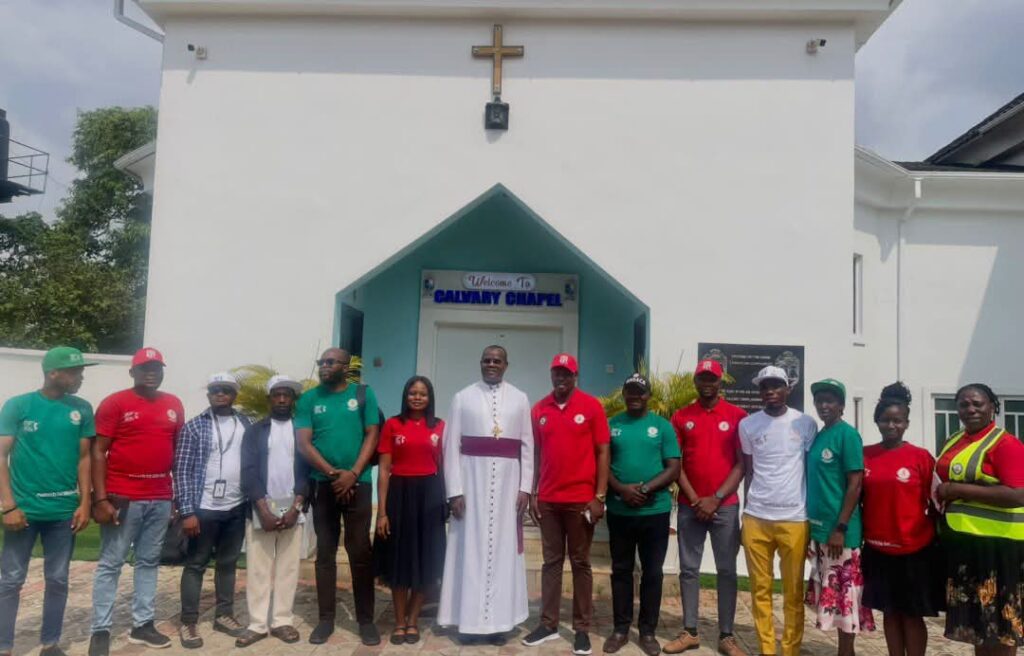
The Anglican Bishop on the Niger, Rt. Rev. Dr. Owen Chiedozie Nwokolo, has pledged the church’s support for the Anambra State AIDS Control Agency (ANSACA), describing community participation and strategic partnerships as vital to achieving an HIV free Anambra by 2030.
Bishop Nwokolo gave the assurance on Nov. 25 when a delegation from ANSACA, led by its Executive Director/Project Manager, Dr. Nkem Okeke, paid him an advocacy visit ahead of the 2026 World AIDS Day.
He commended the agency’s innovative HIV interventions, particularly its grassroots mobilisation and campus based initiatives, while stressing the need for increased domestic funding, private sector involvement and collective responsibility in addressing HIV stigma and discrimination, reiterating that HIV is no longer a death sentence.
In his remarks, Dr. Okeke revealed that ANSACA had tested more than 10,000 people since he assumed office in April 2026, highlighting the establishment of grassroots structures involving 1,695 members across the state’s 326 wards and the inauguration of Campus Action Committees on AIDS (CACA) in 27 tertiary institutions.
The ANSACA boss identified Governor Chukwuma Soludo’s approval of 176 healthcare facilities to provide free HIV treatment services and the agency’s inclusion in the 2027 state budget, after 12 years, as major breakthroughs in strengthening the state’s HIV response.
He called for a stronger partnership with the Anglican Church, particularly through its churches, schools and healthcare institutions, to expand HIV education, encourage testing and improve access to treatment.
The engagement reflects the Soludo administration’s commitment to building a healthier and more productive Anambra through sustainable partnerships, community involvement and strengthened public health interventions.