Protecting the Rights and Dignity of Children with Disabilities under Anambra State Law
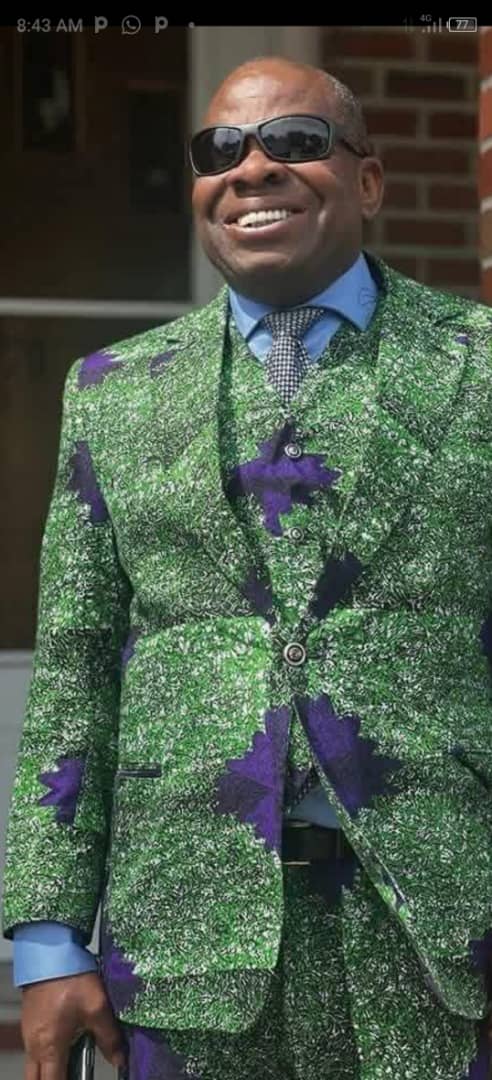
By Felix Oti Awka
Recently, Nigeria joined the rest of the world to mark Children’s Day. But for many families, the celebration was overshadowed by concern for children held captive by school abductors. We continue to pray for their safe return to their families and loved ones.
Today, I want to draw attention to another group of children who deserve our protection: children with disabilities. In Anambra State, our laws place humanity, justice, equality, and inclusion at the centre of their rights.
A child with a disability is first and foremost a child. Every child deserves love, respect, education, protection, healthcare, and equal opportunities. Disability should never be a reason for discrimination, exclusion, abuse, or neglect.
What Anambra State Law Says
The Anambra State Disability Rights Law, 2018, recognizes that persons with disabilities, including children, have equal rights and must be protected from discrimination. It promotes inclusion and accessibility in schools, hospitals, public places, and government institutions.
Sections 33 to 37, and Section 55(5)(iii) of the law require parents, guardians, and government to ensure that children with disabilities have the right to:
1. Equal Access to Education
Every child with a disability has the right to quality education without discrimination. Schools must not reject children because of physical, sensory, intellectual, or developmental disabilities. Learning environments should be inclusive and supportive.
2. Protection from Abuse and Neglect
Children with disabilities must be protected from violence, exploitation, abandonment, bullying, and harmful treatment. Parents, caregivers, schools, and communities have a duty to ensure their safety and dignity.
3. Healthcare Rights
Children with disabilities have the right to accessible and appropriate healthcare without discrimination. Medical treatment must be available and respectful of their needs.
4. Equal Participation in Society
Children with disabilities should be included in social, recreational, educational, and cultural activities. They must not be isolated or treated as less important than other children.
The Federal Law: Discrimination Against Persons with Disabilities (Prohibition) Act, 2018
This Act makes discrimination against persons with disabilities illegal across Nigeria. It states that:
- No child should be denied admission to school because of a disability.
- Public institutions and facilities must be accessible to persons with disabilities.
- Persons with disabilities deserve respect, dignity, and equal treatment.
- Stigma, discrimination, and exclusion are violations of the law.
The message is clear: disability is not inability. Children with disabilities have talents, intelligence, creativity, and dreams that deserve encouragement.
The International Standard: UN Convention on the Rights of Persons with Disabilities, CRPD
Article 7 of the CRPD says children with disabilities must enjoy all human rights and freedoms equally with other children. It emphasizes:
- Non-discrimination — Children with disabilities must not be treated unfairly.
- Best Interest of the Child — Every decision affecting a child with a disability must prioritize their welfare and future.
- Participation and Voice — Children with disabilities have the right to express their views and be heard.
- Inclusion — They should participate fully in family life, school, and the community.
Our Collective Responsibility
Dear parents, teachers, leaders, and community members: protecting children with disabilities is not only a legal duty, it is a moral obligation.
We must end stereotypes.
We must end discrimination.
We must end exclusion.
Instead, we must build schools that welcome every child, communities that embrace diversity, and systems that give children with disabilities equal opportunities to thrive.
A society is truly developed not by how it treats the strong, but by how it protects the vulnerable.
Children with disabilities are not asking for special treatment. They are asking for equal rights, equal dignity, and equal opportunities.
Together, we can build an inclusive Anambra and an inclusive Nigeria where every child matters.
Disability is not a liability. Disability is not vulnerability. Accessibility and inclusivity can turn a child with a disability into an enviable asset. Because access is an asset.
Chuks Ezewuzie
Radio Headline Variant
“Disability is not inability” — Anambra law expert urges inclusion for children with disabilities
60-Second Broadcast Script
[NEWSREADER]
As we mark Children’s Day, Anambra State law expert Chuks Ezewuzie is calling for stronger protection for children with disabilities.
He says the Anambra State Disability Rights Law of 2018 guarantees equal access to education, healthcare, protection from abuse, and full participation in society for every child with a disability.
Ezewuzie also cited the Federal Discrimination Against Persons with Disabilities Act and the UN Convention on the Rights of Persons with Disabilities. Both laws prohibit discrimination and demand inclusion.
He urged parents, teachers, and communities to end stereotypes and exclusion. According to him, children with disabilities are not asking for special treatment, but for equal rights and equal opportunities.
“Disability is not a liability. Accessibility and inclusivity turn a child with a disability into an asset,” he said.