
JUSUN EMPOWERS ANAMBRA JUDICIARY STAFF WITH HIGH-IMPACT TRAINING ON PROFESSIONAL EXCELLENCE AND SERVICE DELIVERY
The workshop featured lectures delivered by seasoned professionals and mostly retired senior staff of the judiciary, who shared practical insights on key aspects of judicial administration.
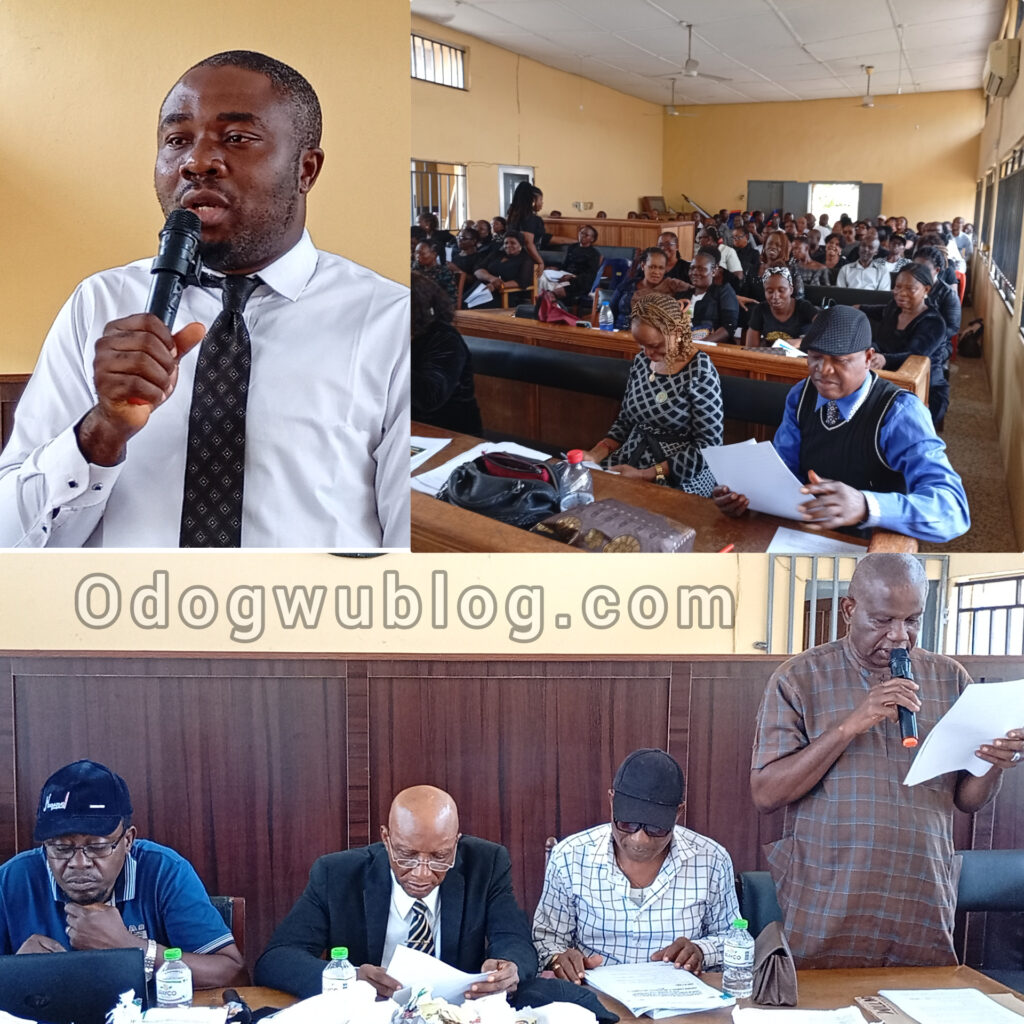
The Judiciary Staff Union of Nigeria (JUSUN) on Thursday, April 30, 2026, organised a comprehensive training workshop for staff of the Anambra State Judiciary at the Nnewi High Court of Justice.
The workshop featured lectures delivered by seasoned professionals and mostly retired senior staff of the judiciary, who shared practical insights on key aspects of judicial administration. The sessions focused on critical issues affecting the performance, conduct, and career development of judiciary staff, with the aim of equipping participants with the knowledge and skills required to enhance efficiency in their official duties. Interactive question-and-answer segments followed each lecture, providing further clarification on important areas.
In his opening remarks, the Chairman of JUSUN, Anambra State Branch, Comrade Henry Ezeoke, expressed gratitude for a safe journey from Awka to Nnewi and commended members, especially those from the Nnewi Judiciary Division for their impressive turnout. He appreciated the judges of the division and the newly appointed Director for granting approval and support, noting that their cooperation ensured the success of the workshop despite tight legal schedules. He also acknowledged the commitment of the resource persons who made time to contribute despite their busy engagements.
Comrade Ezeoke described the workshop as a fulfilment of promises made by the current administration, emphasizing that continuous training is essential for staff to remain effective and aligned with the demands of their roles.
Delivering a paper titled “Challenges in Retirement from Public Service and Containment Measures,” Comrade (Chief) Basil Osita Mbanefo (MBA, FNHR) examined retirement as a structured transition that may occur voluntarily, compulsorily, involuntarily, or on medical grounds. He stressed that the quality of life after retirement largely depends on early preparation. His presentation highlighted the financial realities of retirement, including reduced income due to reliance on pensions, as well as challenges such as delayed gratuities and irregular pension payments. He advised workers to begin retirement planning at least a decade in advance and to invest in both technical and interpersonal skills to create post-service opportunities.
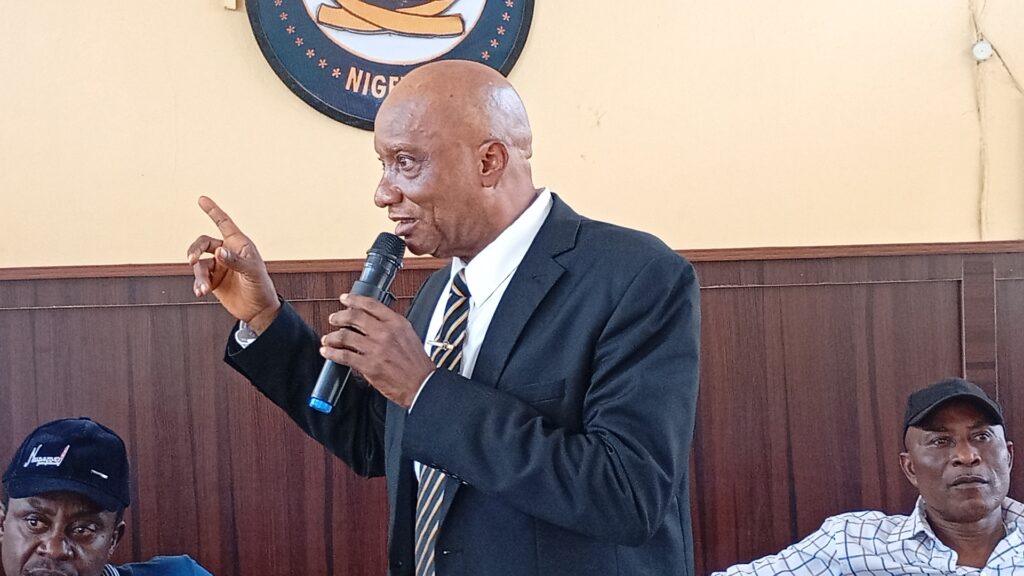

In another presentation, retired Director of Planning, Research and Statistics, Mr. Augustine C. Ezeanata, spoke on “Supervision of Subordinate Staff within the Framework of Division of Labour.” He underscored supervision as a critical management function necessary for organizational cohesion. He outlined various supervision styles—including autocratic, democratic, bureaucratic, supportive, task-oriented, and laissez-faire—stressing that no single approach fits all situations, and that effective leaders must apply styles contextually.
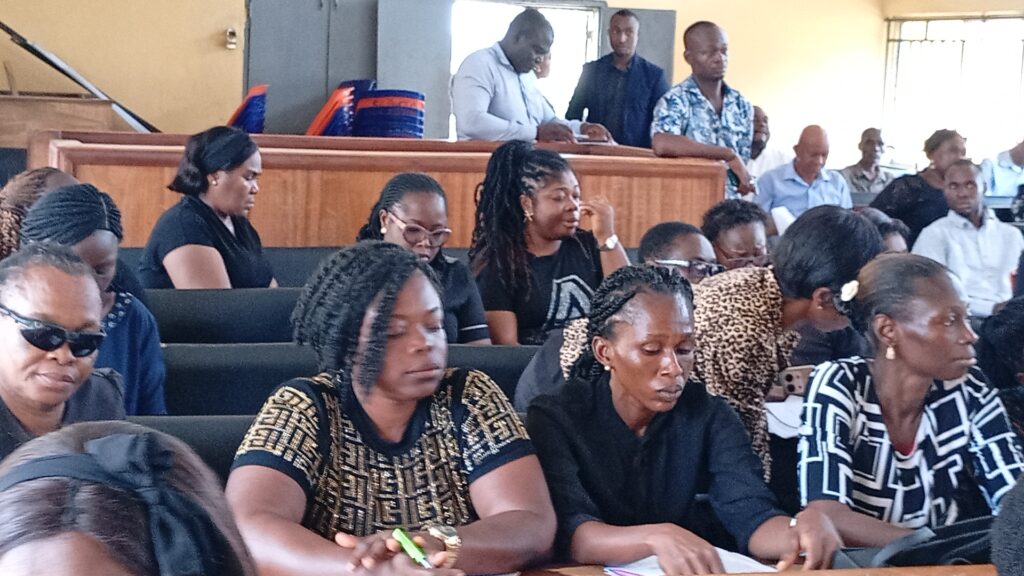
Speaking on “Operationalizing the Feedback Loop,” Ibekwe Bruno, Ph.D., highlighted communication as the foundation of workplace excellence. He explained that discipline, incentives, and rewards serve as essential tools for achieving organizational goals. He recommended regular town hall meetings, the use of digital platforms such as intranets or messaging channels for updates, and structured feedback systems including anonymous suggestion boxes and periodic performance reviews. He also emphasized adherence to public service rules and the use of performance-based incentives to boost productivity.
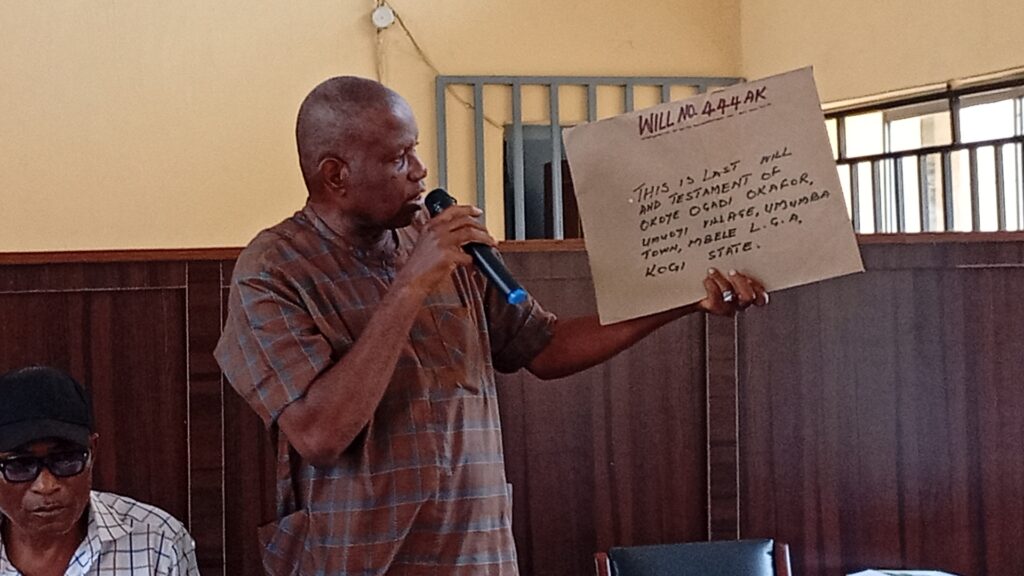
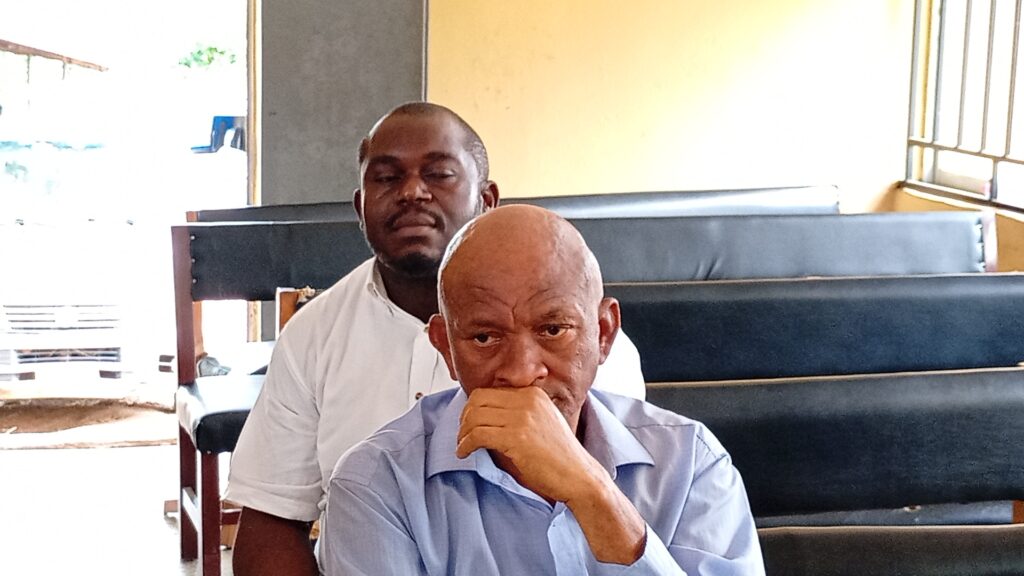
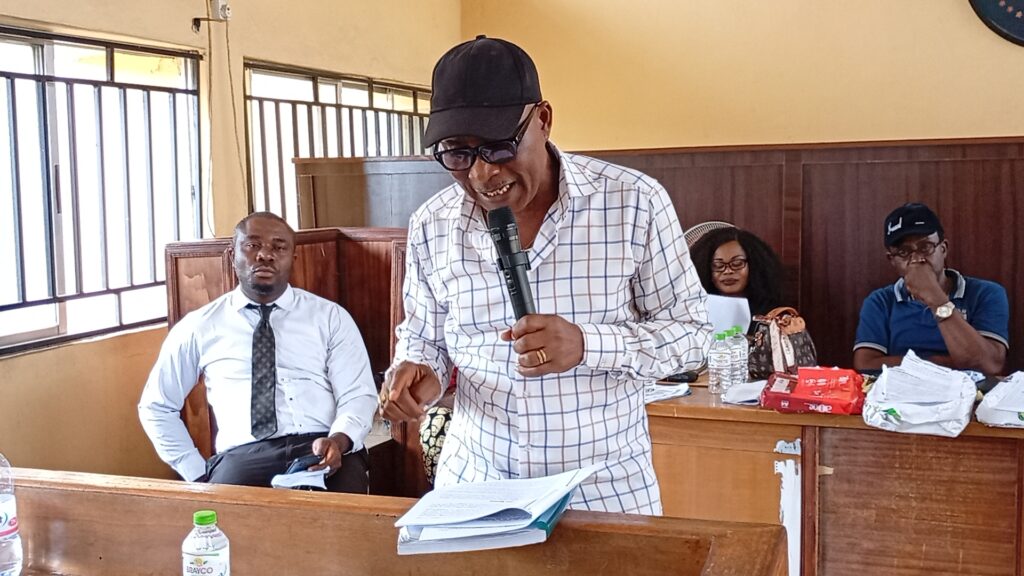
On “Practical Exercises in the Deposition and Retrieval of Wills,” Obiakor Patrick Osita (ACR, Rtd.) defined a will as a legal document outlining how an individual’s estate is to be distributed after death. He explained procedures for depositing wills at probate registries and noted that testators retain the right to retrieve their wills at any time before death, provided due process is followed.
In her paper titled “Problems Faced by Heads of Department and Registry in Maintaining Discipline and Order in the Judiciary,” Charles-Ekwueme Perpetual Ogugua highlighted the pivotal role of administrative units in ensuring effective justice delivery. She noted that challenges such as staff negligence, weak enforcement of disciplinary measures, and undue influence often undermine authority and efficiency. She emphasized that Heads of Department serve as the critical link between policy and execution, urging staff to remain diligent and uphold professional standards.
The workshop concluded with a renewed call for discipline, improved work ethics, and the practical application of knowledge gained. Comrade Ezeoke reiterated his appreciation to the resource persons and encouraged participants to implement the lessons learned to achieve the objectives of the training.
He also extended gratitude to the Chief Judge of Anambra State, Hon. Justice Onochie Anyachebelu, for granting the necessary g and support for the successful hosting of the workshop.