Stigma, Discrimination Blocking Access to HIV, TB Treatment in Anambra – ATM Network
By Lawrence Nwimo, Awka
The Anambra State AIDS, Tuberculosis and Malaria (ATM) Network has identified stigma, discrimination and poor community-provider relationships as major barriers blocking access to HIV, TB and Malaria treatment in the state.
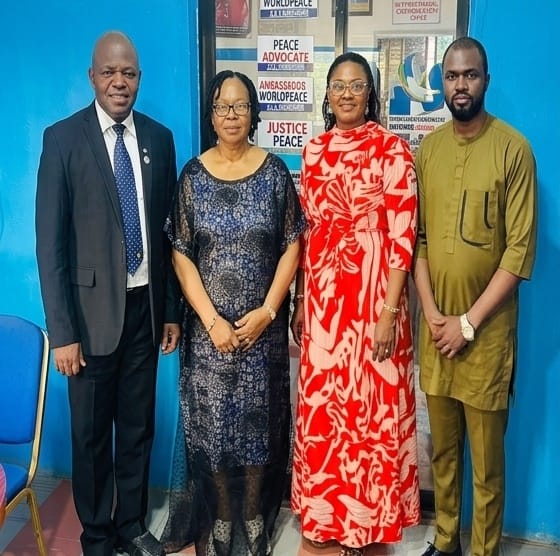
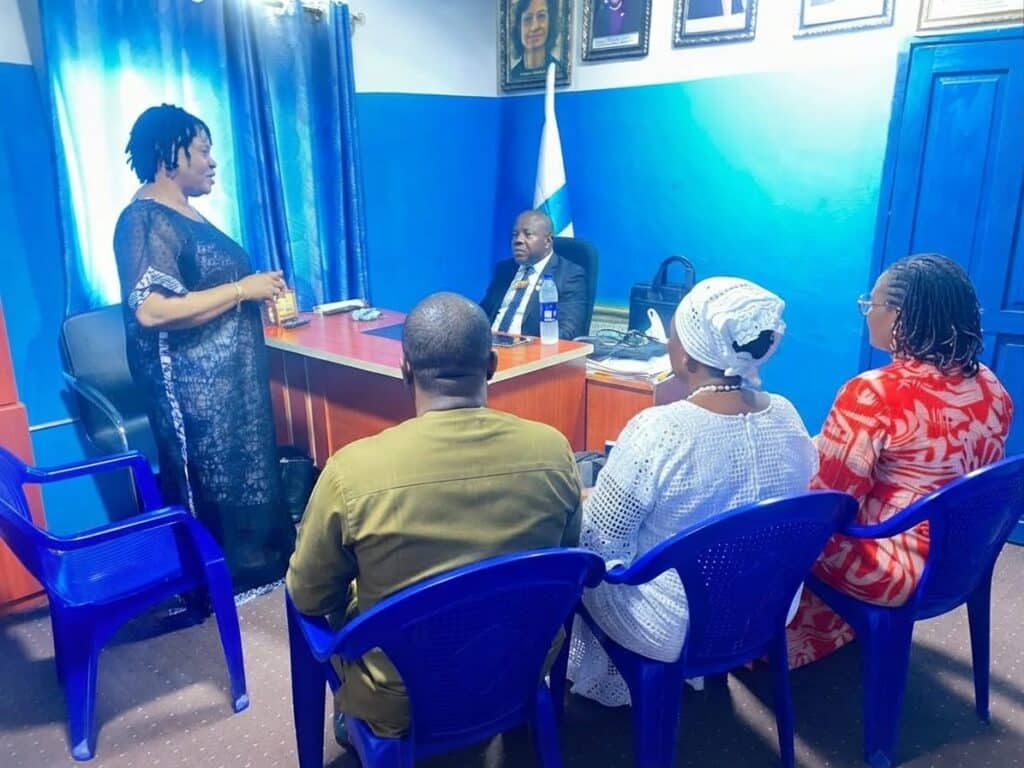
The Network stated this during a strategic engagement with the United Nations Peace and Positive Living Awareness Centre (UN-PEPOLAC) in Awka, led by the TB Network State Coordinator, Mrs. Ify Unachukwu.
Speaking during the visit, Mrs. Unachukwu said the ATM Network decided to engage UN-PEPOLAC because many of the barriers affecting HIV, TB and malaria services are beyond the health facilities and require community trust and peacebuilding to resolve.
According to her, the ATM Network is implementing the Integrated Community-Led Monitoring (I-CLM) project supported by the Global Fund through the Institute for Human Virology of Nigeria (IHVN), which empowers communities to identify gaps in health service delivery.
Unachukwu explained that through the Community-Led Monitoring Teams (CLMTs), the Network has documented disturbing experiences of persons seeking treatment who were discouraged by stigma, harsh treatment by health workers, and fear of being discriminated against in their communities.
“Our findings show that even when drugs and services are available, people are afraid to access them because of stigma, discrimination and lack of confidentiality. Some people living with HIV or TB are still seen as outcasts. This is why we need partners like UN-PEPOLAC who understand community peace and positive living,” she said.
She noted that the Network cannot tackle the social barriers alone and needs peace-oriented structures to help communities view affected persons as rights-holders rather than subjects of discrimination.
Unachukwu further stressed that the proposed partnership would not duplicate existing health structures but would complement the ATM Network’s accountability function by providing platforms for dialogue between communities, traditional and religious leaders, health workers and government duty-bearers.
“We want to ensure that when our CLMTs document a case of poor treatment or denial of service, there is a peaceful and constructive platform to discuss it and get it resolved. Our goal is to make health facilities more friendly, more inclusive and more accountable to the people they serve,” she added.
She expressed optimism that the collaboration would lead to joint community sensitization, stakeholder dialogues and advocacy that would improve health-seeking behaviour and reduce human rights barriers in ATM services across Anambra State.
Earlier, the State Program Officer (SPO), Onyekachi Ololo, who is leading the implementation of the I-CLM approach, explained that the monitoring goes beyond whether services exist to how people are treated when they seek those services.
Responding, the International Coordinator of UN-PEPOLAC, Bishop Dr. Festus Ozioma Ozoemena, expressed willingness to collaborate with the ATM Network in community mobilization, peacebuilding and positive-living awareness.
He said the Centre’s experience in peacebuilding and community structures could support the creation of safe platforms for expressing health-related grievances constructively rather than becoming sources of conflict.
Both organisations resolved to establish a strategic partnership that would include joint community dialogues, stakeholder engagements, anti-stigma activities and advocacy around issues emerging from the I-CLM process.
They agreed that collaboration should be evidence-driven, with community issues identified through CLM providing a basis for intervention, and that any such intervention must remain connected to existing health and protection referral mechanisms.
The ATM Network also identified limited resources and weak follow-through by health facilities and government actors as challenges that could limit the impact of community dialogues if not addressed.
It recommended piloting joint community health and peace dialogues in selected communities where CLM has identified issues involving stigma, discrimination and mistrust.